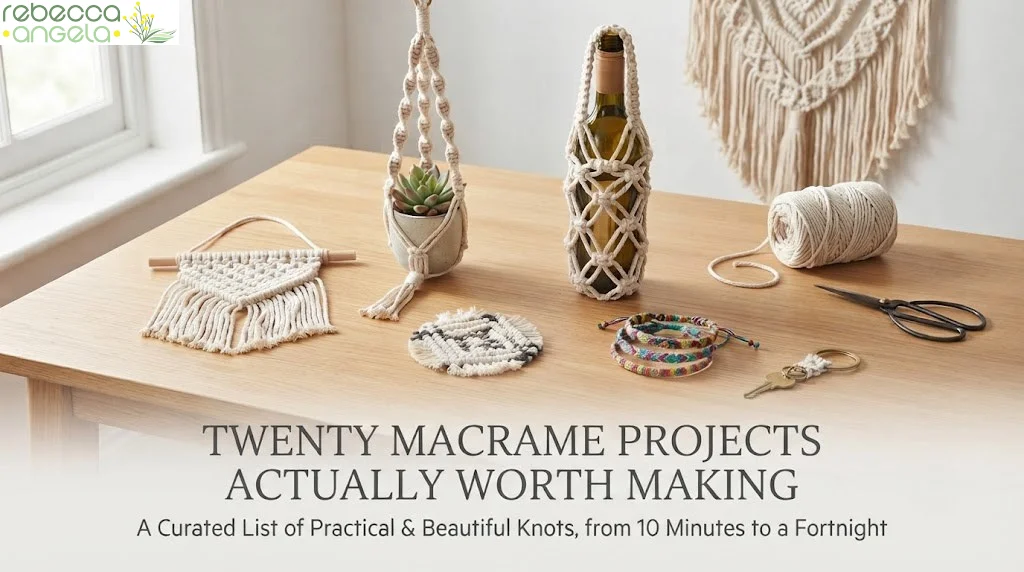

I set myself a challenge this week: list twenty macrame projects actually worth making.
It turned out not to be difficult at all. What was difficult was stopping, and also resisting the urge to cast on all twenty of them at once, which is a very familiar failure mode of mine and one I have written about before in Breaking Through Creative Block.
So here they are, roughly in order of how long they take, from a ten-minute keyring to something that will occupy you for a fortnight. Every one of them uses the same five knots — which is still the thing I find most remarkable about this craft. If you are completely new to all this, start at the beginning of the series and come back here when you are ready to pick a project.
I have marked each with a rough time and a difficulty, and told you honestly where the tricky bit is.
Quick wins (under an hour)
1. A Macrame keyring
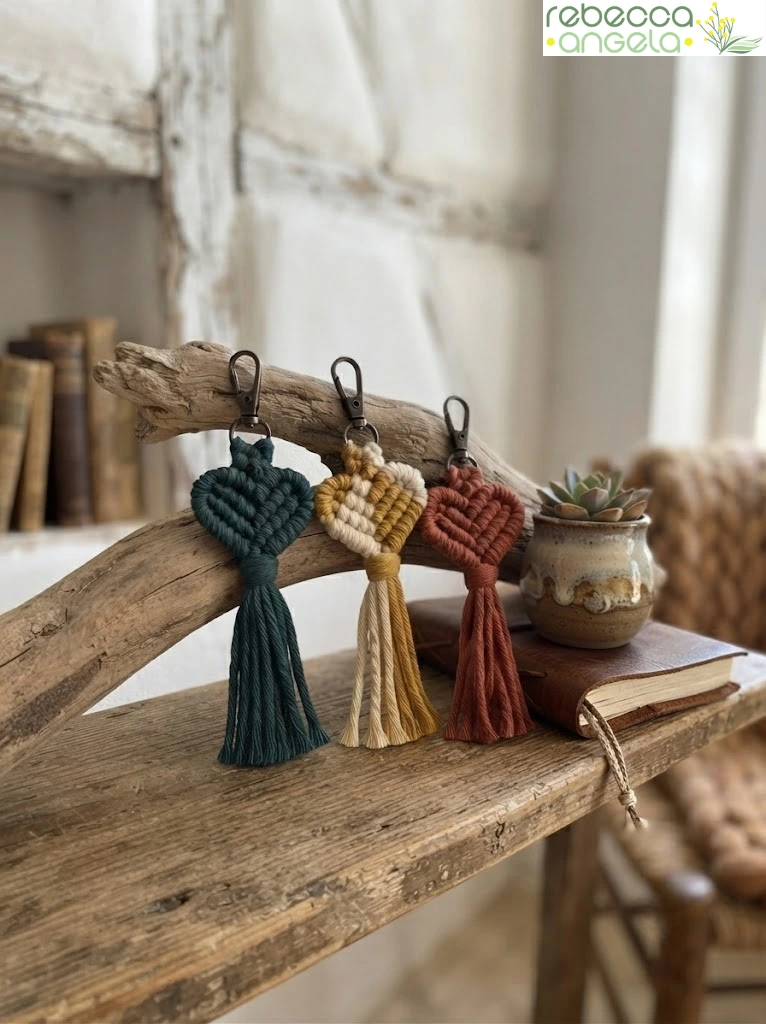
10 minutes · very easy
Four cords, a key ring, a column of square knots and a trimmed fringe. This is the project I would put in anyone’s hands first, including a child’s. It teaches you the square knot properly and you get something finished in the time it takes to boil the kettle. Full instructions are in the jewellery and wearables post.
2. A Macrame friendship bracelet
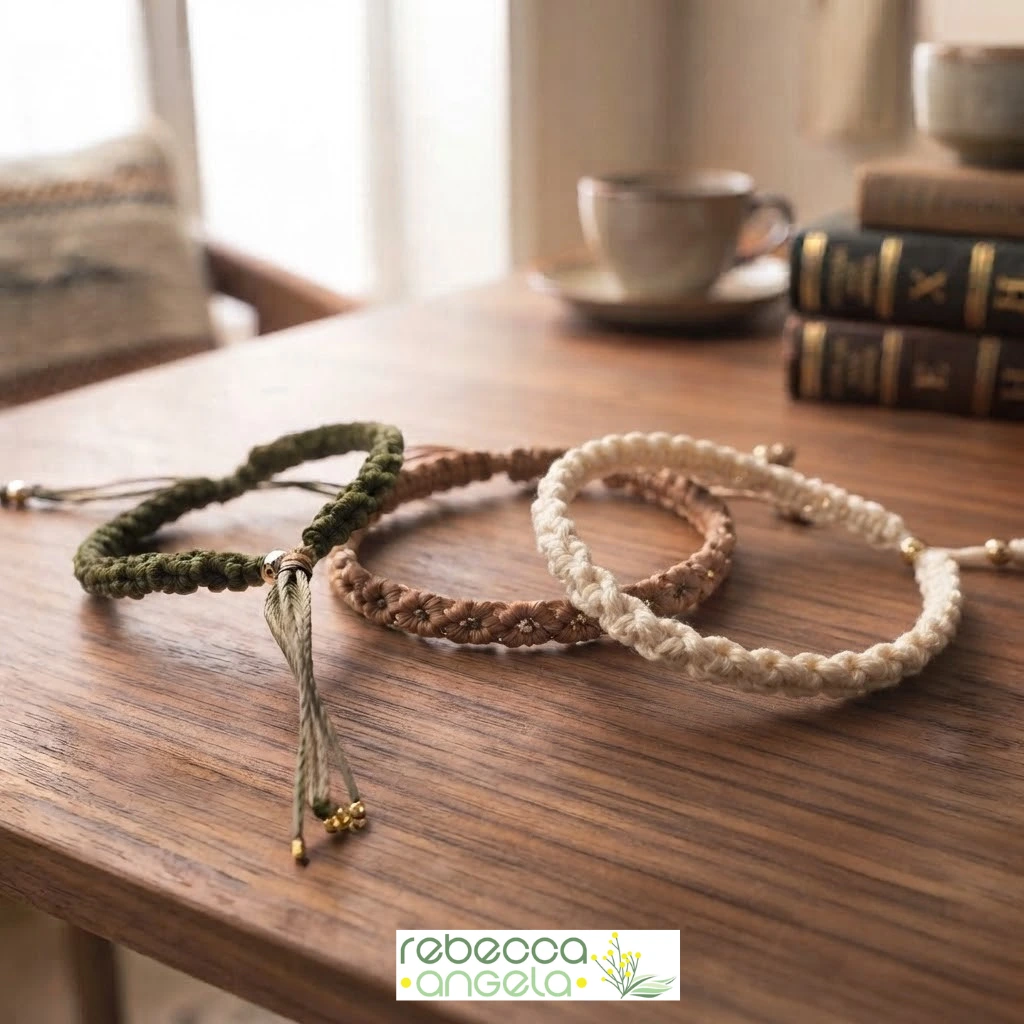
20 minutes · very easy
Square knots in fine hemp or waxed cotton, with a sliding closure. My daughter made dozens of these at an age when nothing else held her attention for more than a minute.
3. A Macrame bookmark
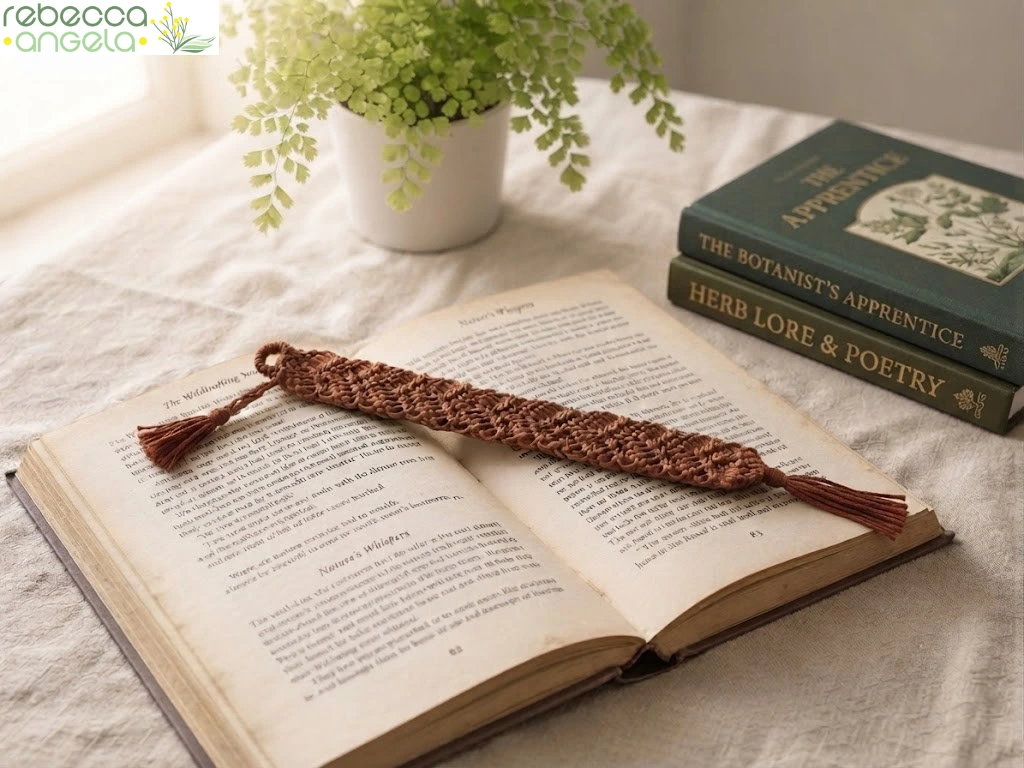
15 minutes · very easy
A narrow strip of square knots with a tassel. Uses about a metre of cord. I have made three and given away all three, which tells you something about how well they go down.
4. Macrame Coasters
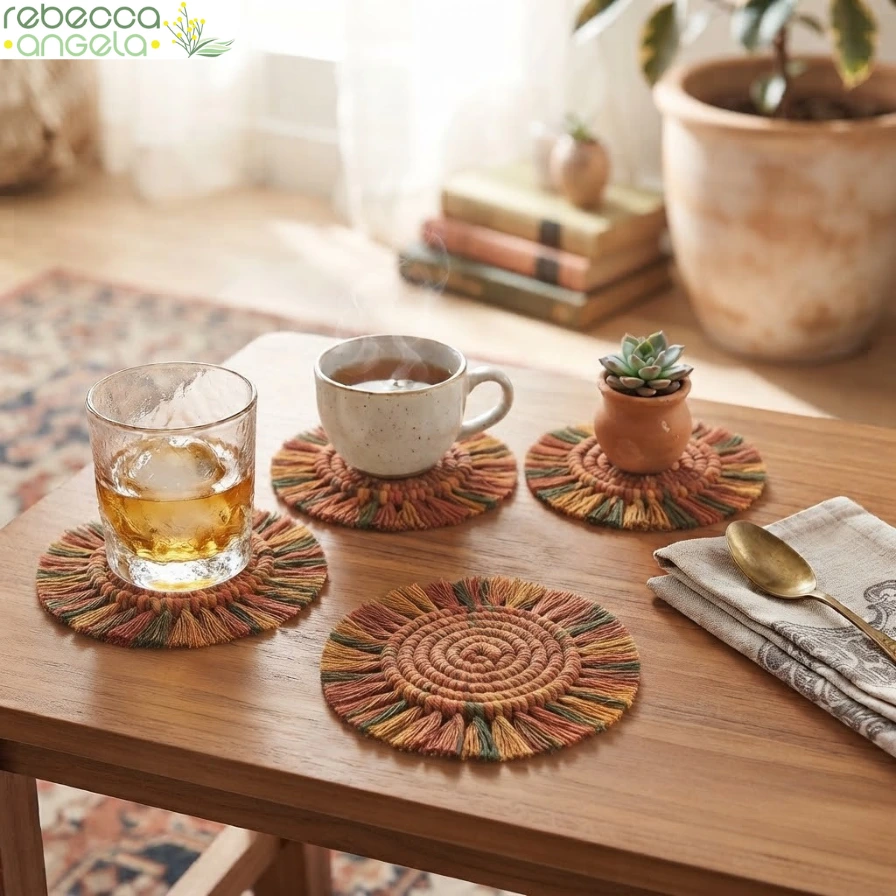
30 minutes each · easy
Concentric rounds of half hitches worked into a flat disc. The tricky bit is keeping the spiral flat instead of letting it cup upwards — the answer is to add cords as you go outwards. A set of four is a genuinely lovely gift, and they are in the macrame for the home post.
5. A Macrame hair tie or scrunchie band
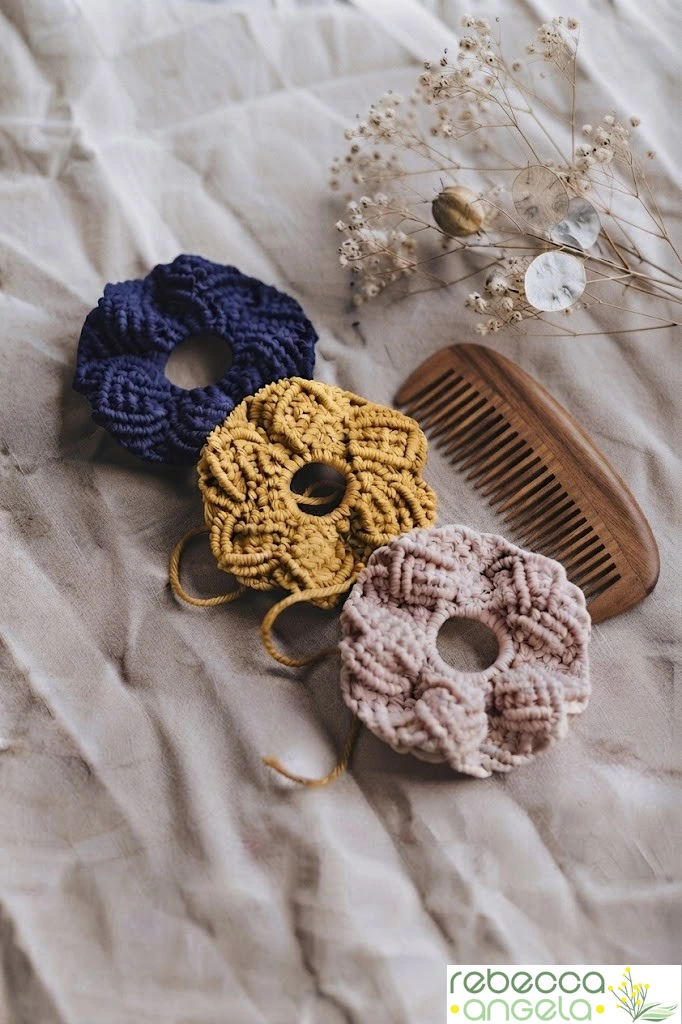
15 minutes · very easy
Square knots worked around a hair elastic. Uses scraps. Perfect for the offcuts you cannot bring yourself to throw away, which is a category of thing I have far too much of.
An evening’s work
6. A Macrame small plant hanger
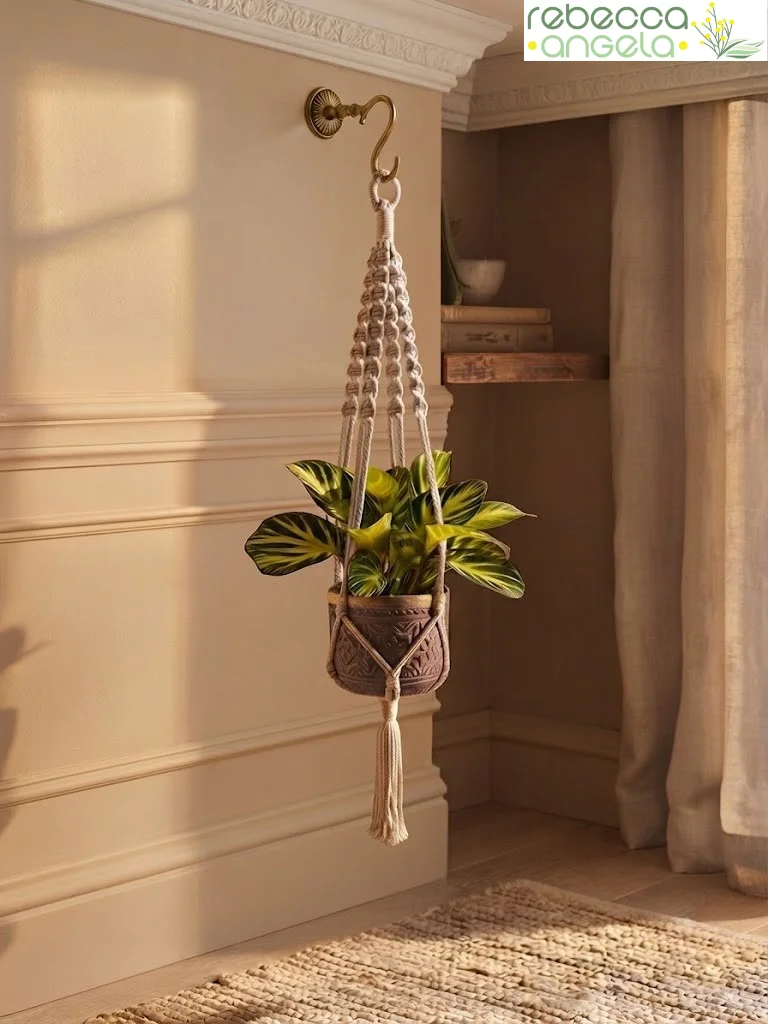
1–2 hours · easy
Four arms, two gathering knots, done. This is the project I would push you towards after your first keyring, and I have written it up in full with every measurement in the plant hanger tutorial.
7. A Macrame mini hanger for an air plant
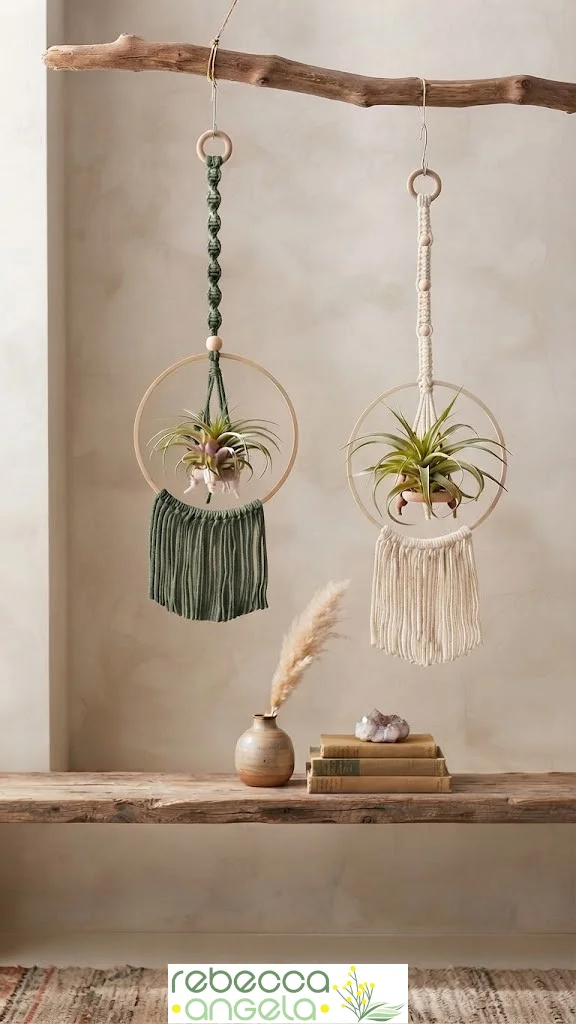
45 minutes · easy
The same thing in 2mm cord at a third of the size. Fiddly, quick and very sweet in a bathroom window.
8. A Macrame simple fringe wall panel
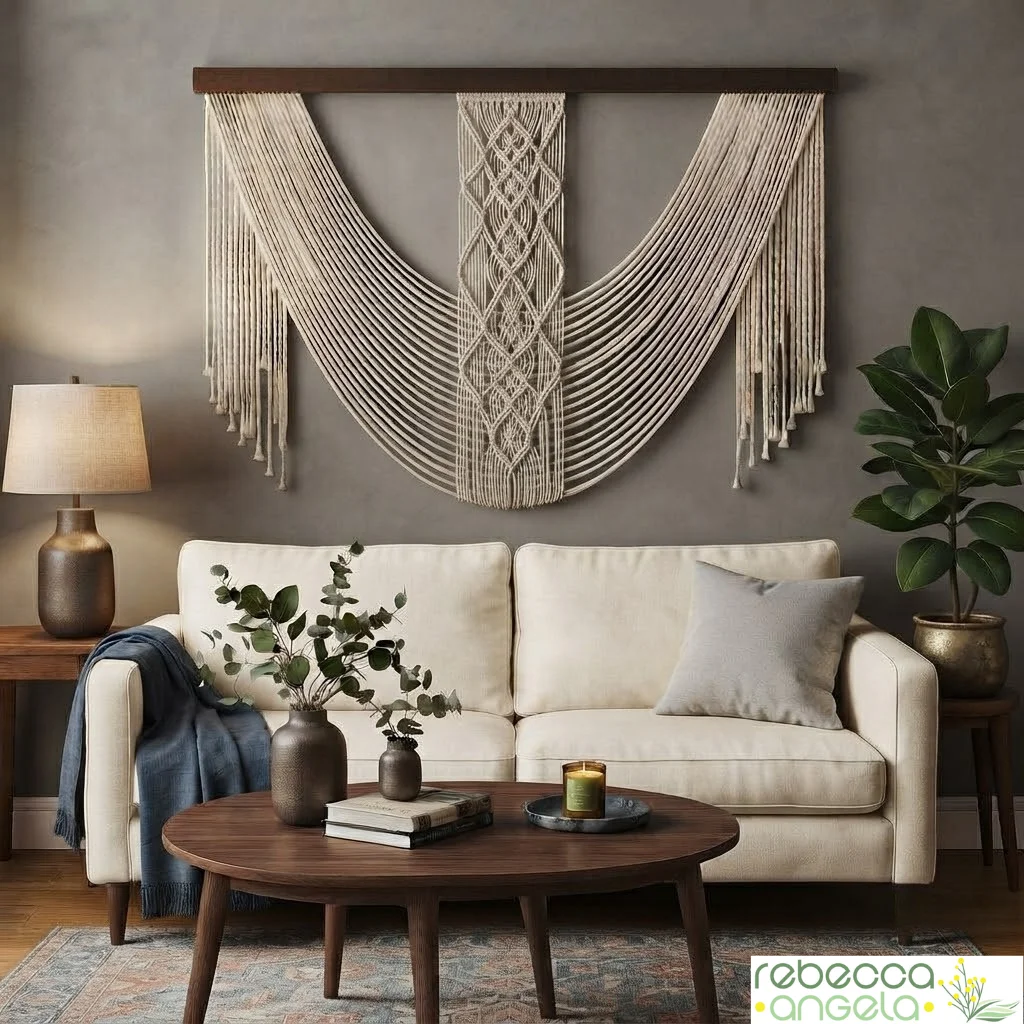
1–2 hours · easy
One horizontal bar of double half hitches at the top of a dowel, and a long combed fringe below. Barely any knotting, enormous visual impact. If a full wall hanging feels like too much, start here.
9. A Macrame wine bottle carrier
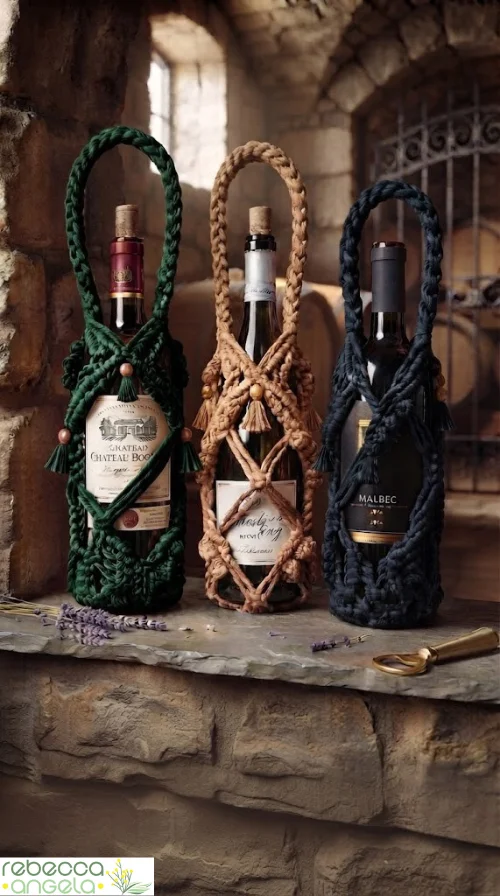
1 hour · easy
Essentially a plant hanger sized for a bottle. Turns a bottle of something into a considerably better-looking gift, and the carrier gets kept.
10. A Macrame Christmas tree ornament
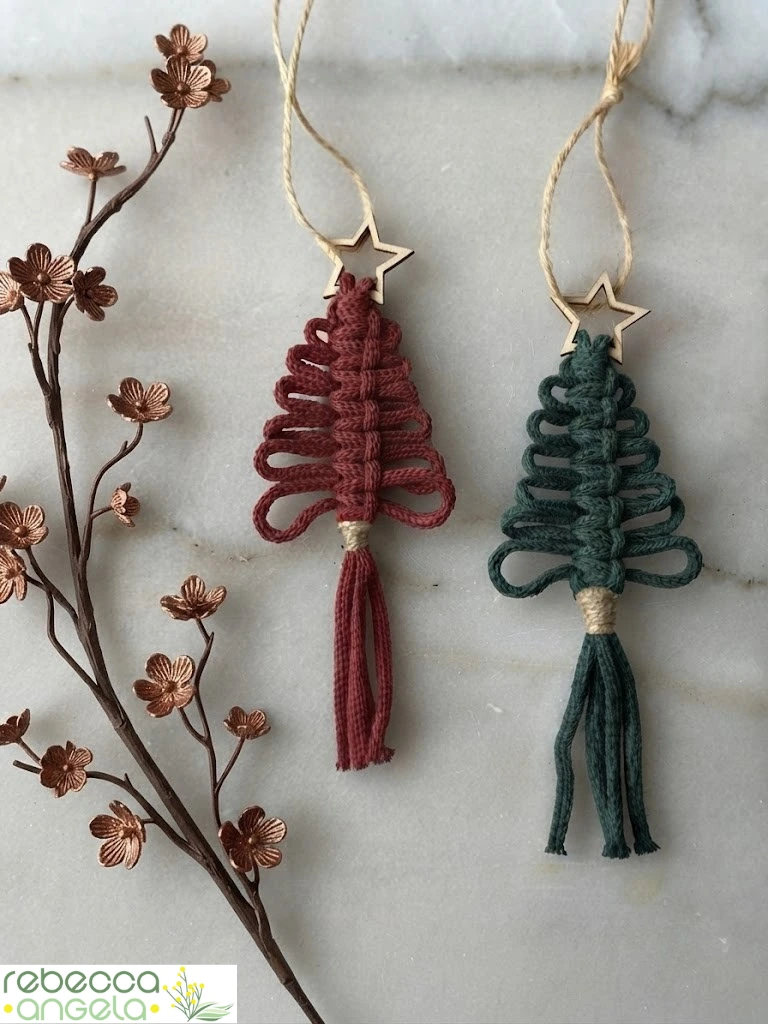
30 minutes · easy
Small, quick and a good use of scraps. There is a whole set of these, plus a knotted tree, in the seasonal macrame post.
11. A Macrame camera or bag strap
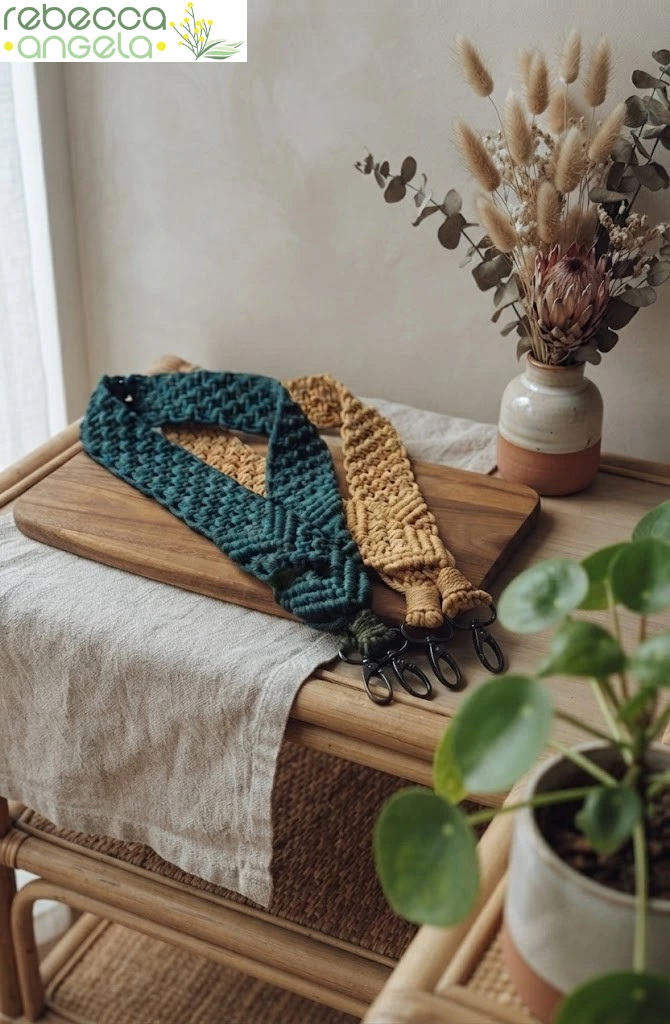
2 hours · moderate
A long band of square knots with proper hardware at each end. The tricky bit is the hardware, not the knotting — make sure your cord width matches your clips before you start.
A weekend project
12. A Macrame medium wall hanging
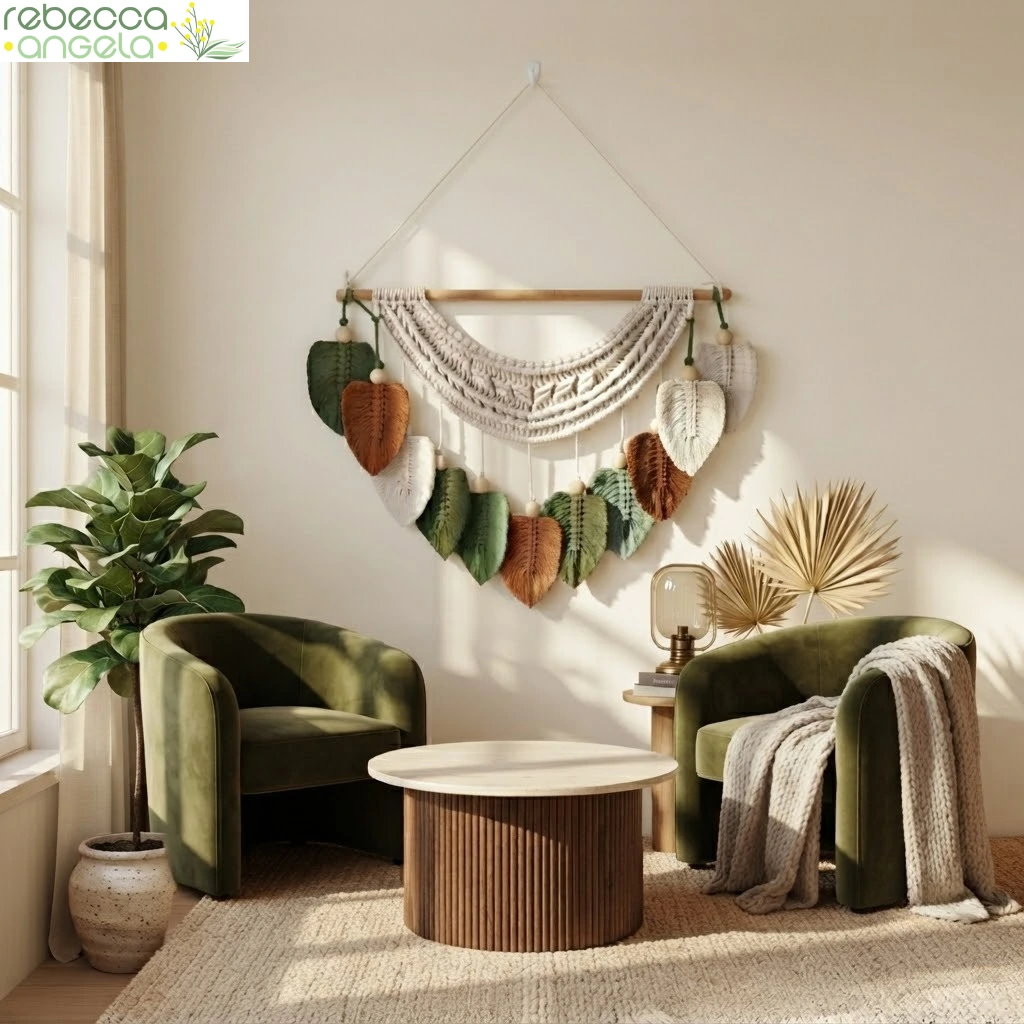
3–4 hours · moderate
Bar, lattice, chevron, fringe. The full step-by-step is in the wall hanging tutorial, and it is the piece that makes visitors ask if you bought it.
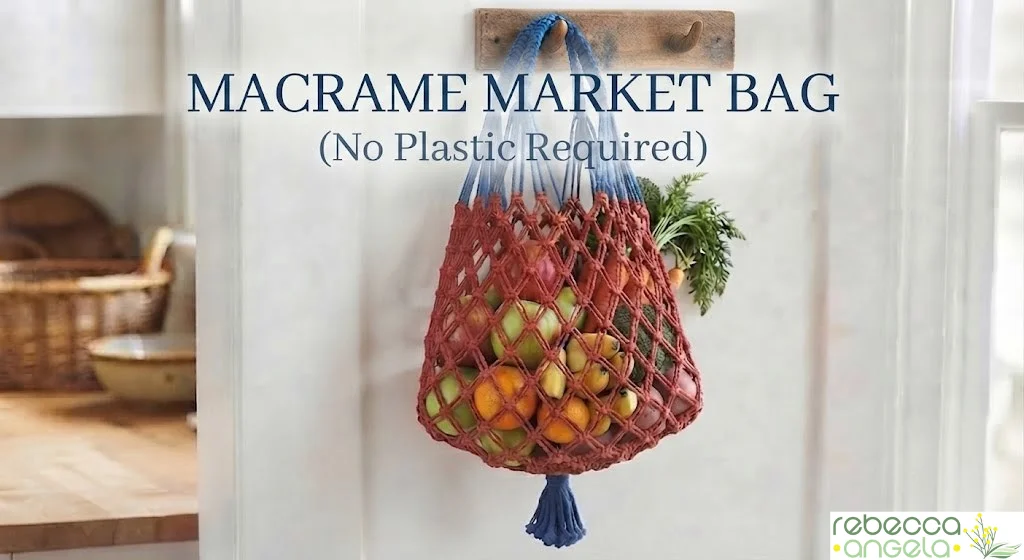
13. A Macrame market bag
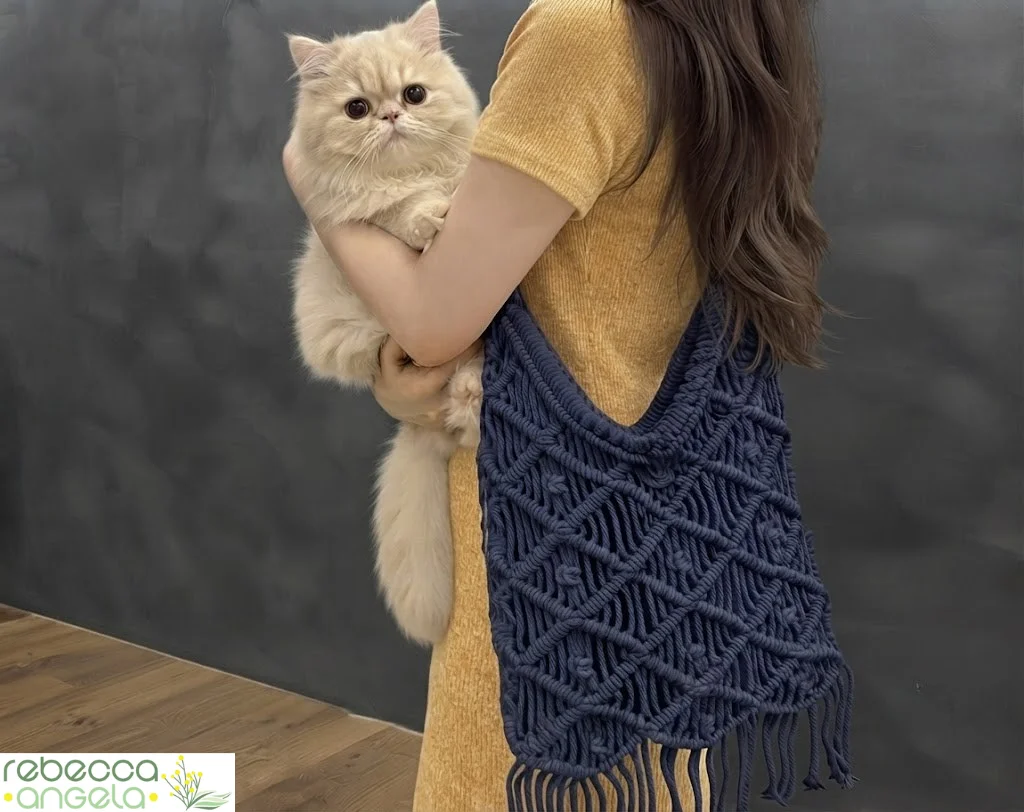
4–5 hours · moderate
An open net of alternating square knots with a solid knotted handle. Genuinely useful — mine has held a very great deal of fruit and veg since I made it, and it folds into nothing. It is in the home projects post.
14. A Macrame storage basket
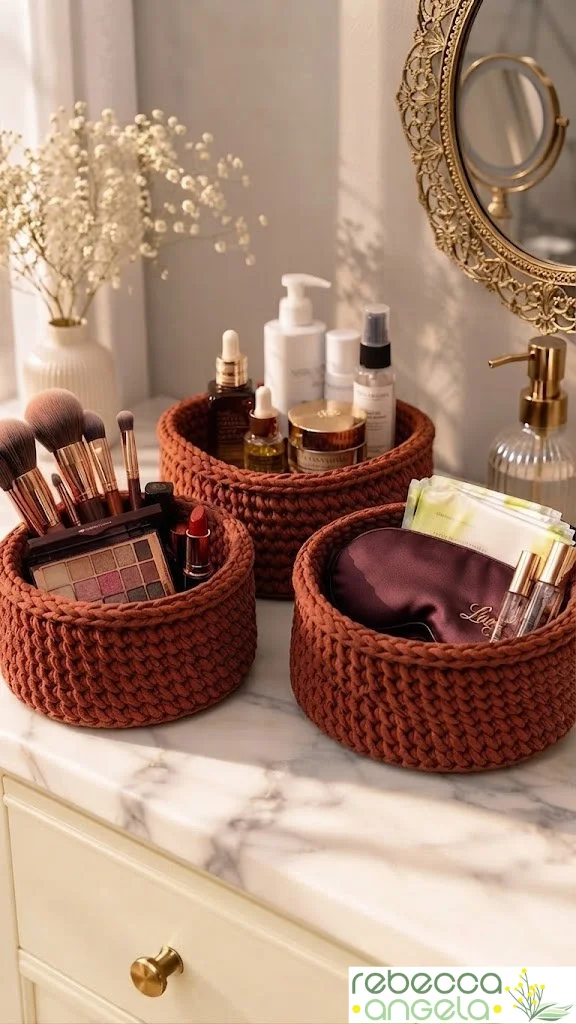
4 hours · moderate
Worked around a base, either a wooden disc or a knotted circle. The tricky bit is getting the sides to stand up rather than flop; a stiffer cord like jute helps enormously here.
15. A Macrame retro owl
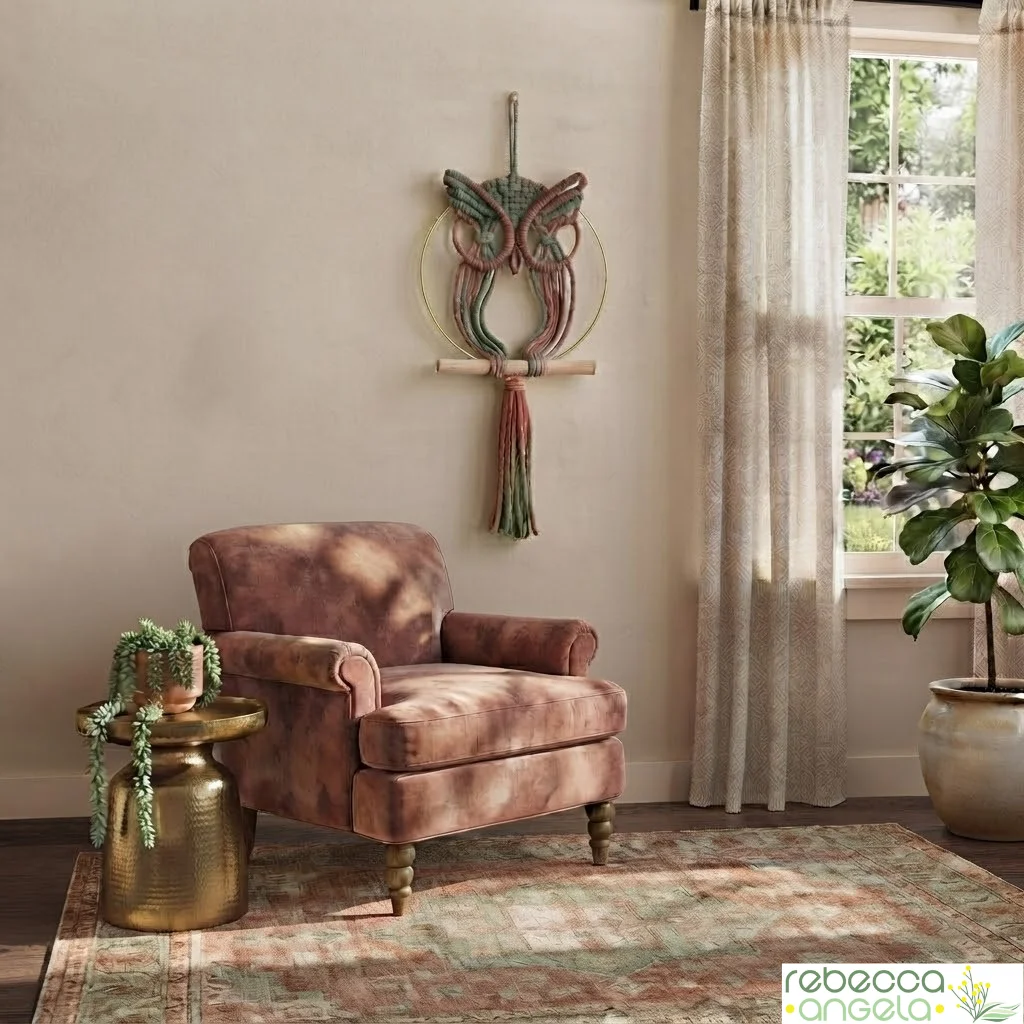
3 hours · moderate
Wooden bead eyes, a dowel perch, the lot. My mother made one in the seventies that I would dearly love to have. I made my own instead, and it is in the seasonal and novelty post.
16. A Macrame table runner
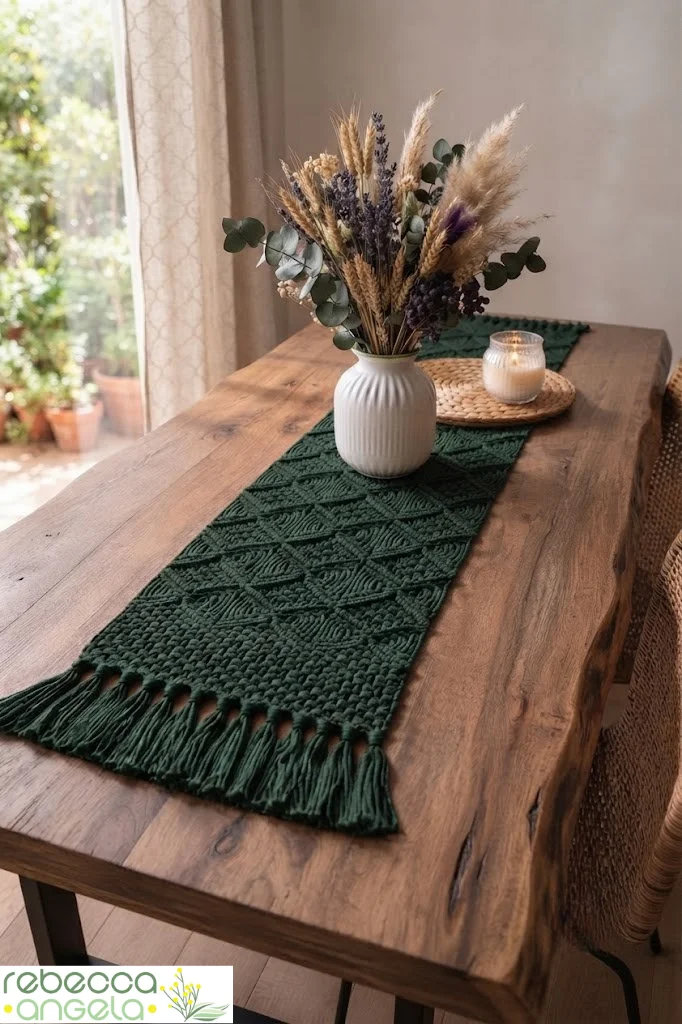
5 hours · moderate
Long rows of alternating square knots with fringed ends. Beautiful on a plain timber table. Best in a fine cord, or it gets very bulky under plates.
17. A Macrame cushion cover front
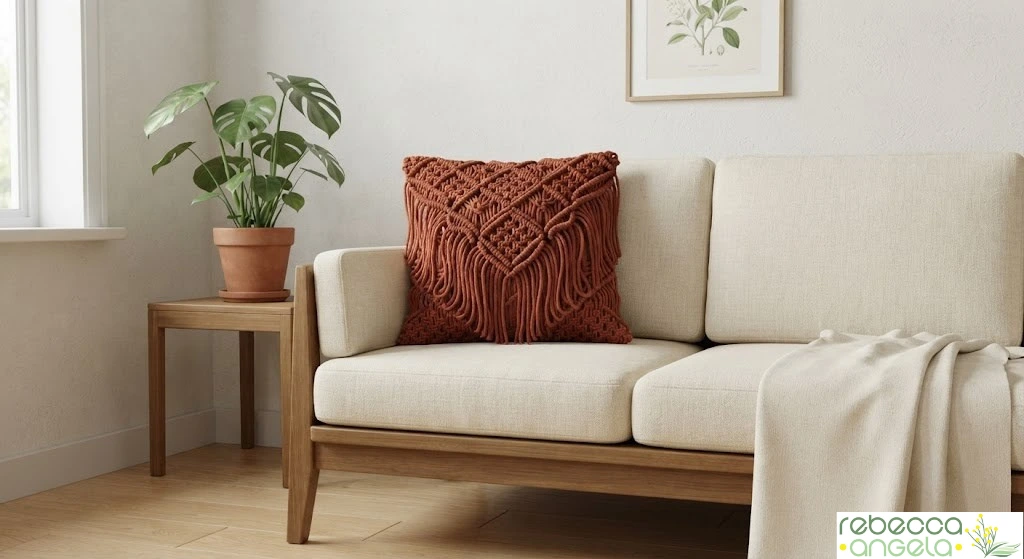
4 hours · moderate
A knotted panel sewn onto a plain cover. This is where macrame and sewing meet, which I rather like — and if you need a cushion cover to attach it to, I wrote one up years ago in the painted envelope cushion cover tutorial.
The big ones
18. A Macrame large statement wall hanging
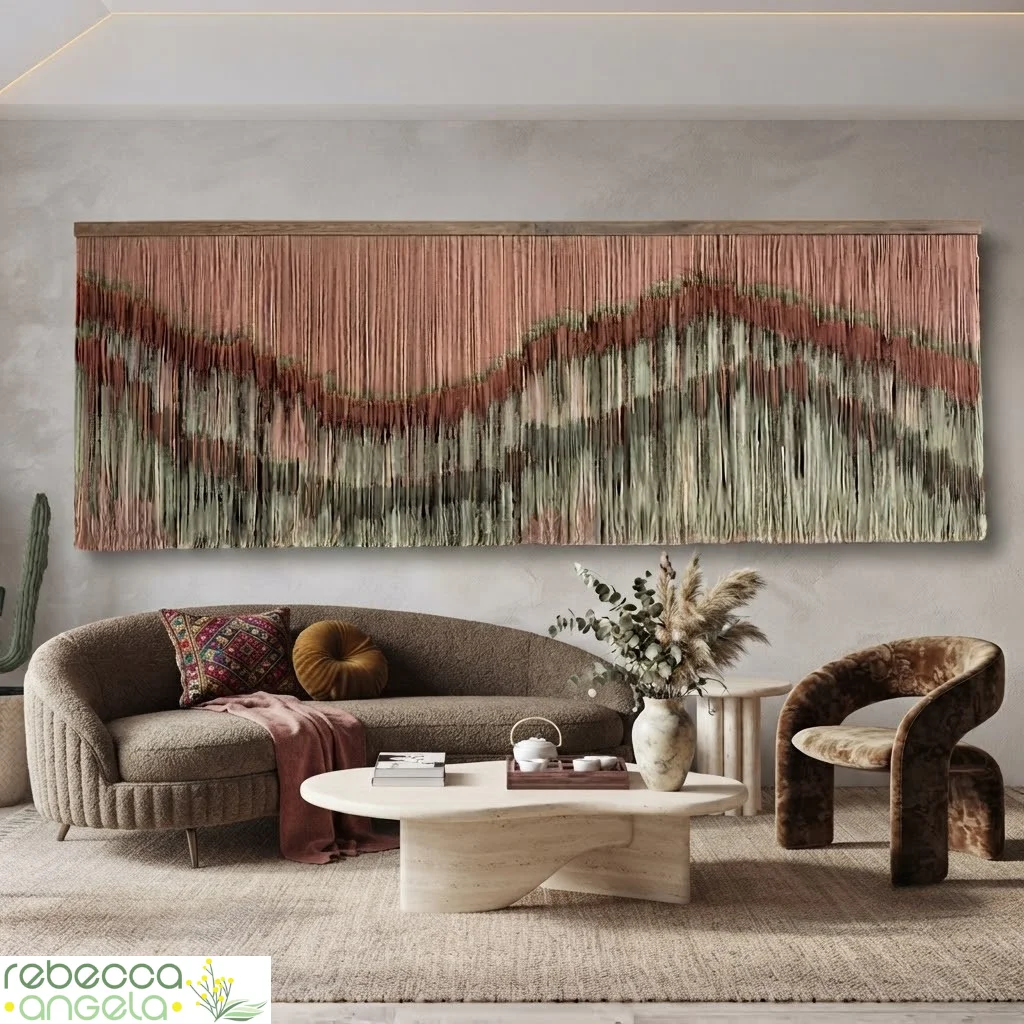
Many evenings · moderate to hard
A 90cm dowel, 200m of cord, and a fortnight of evenings. Not difficult, exactly — just long. The real skill is holding your tension steady across that many sessions, which is harder than it sounds.
19. A Macrame curtain
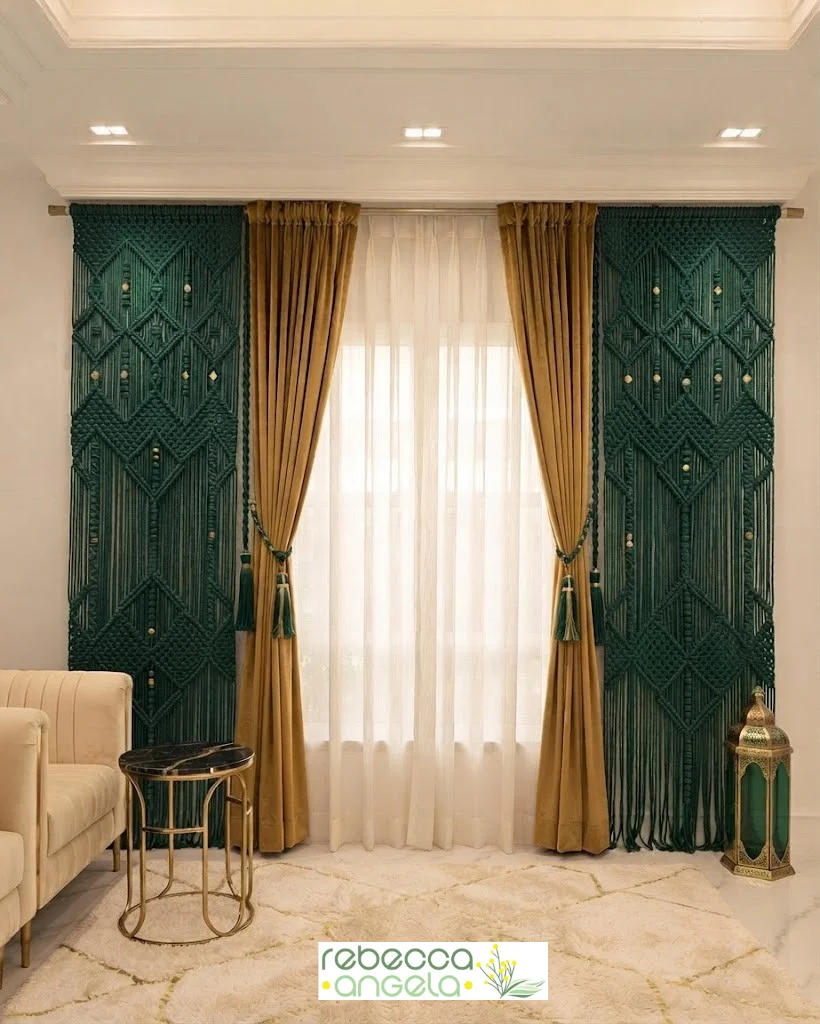
A week or more · moderate
An open knotted panel for a doorway or window. Stunning in the right spot and an enormous amount of cord. Sizing and cord quantities are in the home post.
20. A Macrame hanging chair

Weeks · advanced — and a safety job
I am listing it because people ask, but I want to be straight with you: a chair holds a human being off the ground, and that is a completely different order of responsibility from a plant hanger. Load ratings, fixings and cord strength all matter enormously. I have written about what to look for — including why I would buy rather than make my first one — in the hanging chairs and swings post.
Where to find free macrame patterns
There is an enormous amount of free macrame material out there, which is one of the loveliest things about this craft. Some of it is superb. Some of it will waste 40m of your cord.
Where I look:
- YouTube, for anything where seeing hands move matters more than reading. Which, with knots, is most things.
- Pinterest, for working out what you want to make rather than how to make it. Treat pins as inspiration, and always click through to the actual source.
- Independent makers’ blogs, which is where the best-written patterns live. If you find someone whose instructions are clear, follow everything they publish.
- Library craft books. Genuinely underrated. A well-edited book has been checked by someone whose job it was to check it, which is more than can be said for a lot of the internet.
What makes a good pattern (and a bad one)
Having wasted cord on a few duds now, here is my checklist. A pattern worth your time tells you:
- The cut length of each cord, in metres. Not “a long piece”. Metres.
- How many cords, and whether that number is cut lengths or working cords after folding. These differ by a factor of two, and getting it wrong is expensive.
- The finished dimensions.
- The cord diameter and construction. “Macrame cord” alone tells you nothing — see the cord post for why.
- Clear photographs or video of each stage, not just the finished object.
If a pattern is missing more than one of those, treat it as inspiration and work the numbers yourself. And if it is an American pattern, remember it will be in inches — one inch is 2.54cm, one foot about 30.5cm.
Tip: Whatever the pattern says, add ten per cent to the cord lengths for your first attempt. Your tension as a beginner is looser than the designer’s, and looser knots eat more cord. Nobody ever regretted trimming a bit of extra off the bottom.
So there you have it — twenty projects, and I stopped only because twenty is a round number.
If you are new to all this, start with the keyring tonight and the plant hanger at the weekend. If you have been at it a while, I would love to know what I have missed. What is the best thing you have made? And is there a project on this list you would like me to write up properly? Tell me in the comments below and I will get the cord out.