
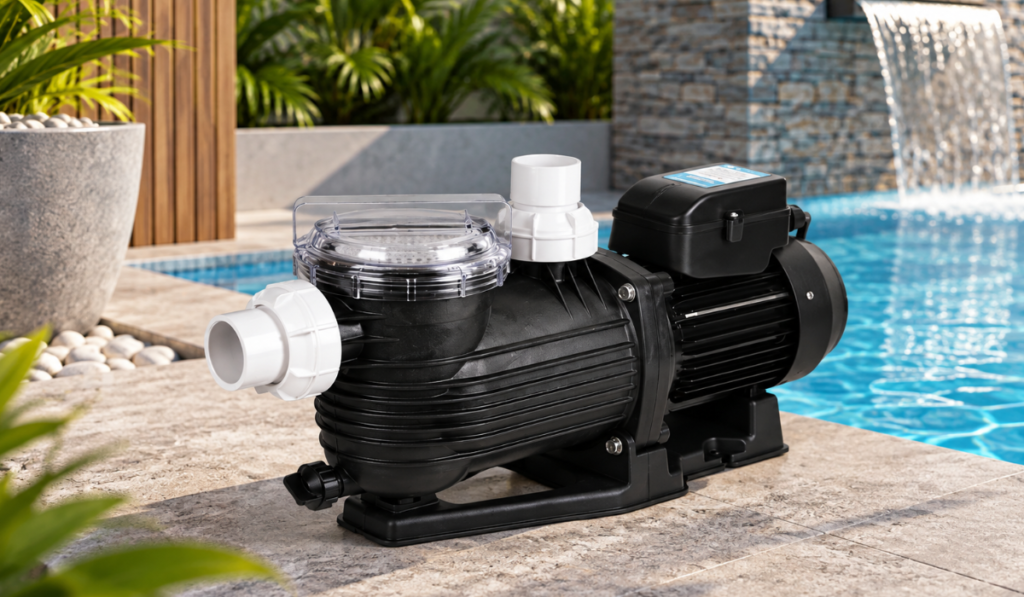

Choosing the right above-ground pool pump makes a bigger difference than most people expect, to water quality, to circulation, to how long the rest of your equipment actually lasts. There’s a specific sound a struggling pump makes, a slightly strained hum most owners tune out completely until the water starts looking cloudy and they finally connect the dots. I’ve heard that exact sound more times than I can count, usually right before someone tells me their “new” pump is actually the wrong one for their pool.
A pump has to move water through the filtration system at a rate that makes sense, without straining the filter or quietly pushing up the power bill month after month. Before buying one, it helps to think through the pool’s size, the flow rate you actually need, the filter type, the plumbing already in place, and how much upkeep you’re genuinely willing to do. Match the equipment properly and circulation improves on its own. Get it wrong, and that hum shows up eventually no matter what.
How the System Actually Works Together
An above-ground pool pump isn’t just something bolted onto the side of the pool. It’s core to the whole circulation and filtration setup. It draws water in through the skimmer, pushes it through the filter to catch dirt and debris, then sends the filtered water back into the pool. That constant loop is what keeps the water clean and evenly treated, not a single wash-and-done cycle.
The pump works alongside the filter, hoses, valves, and return fittings, and every one of those parts has to actually get along with the others. Flow rate needs to suit the filter’s capacity. Plumbing and connections need to match what’s already there rather than forcing a fit. Skip understanding how these pieces interact before buying anything, and you end up with poor circulation, pressure creeping up, or an energy bill that climbs for no obvious reason.
What Actually Matters When Choosing One
A few things are worth working through before replacing or upgrading a pump. The point was never grabbing the biggest one on the shelf. It’s finding one that matches the pool and the filtration gear already sitting there.
Pool size is usually where this starts. Bigger pools hold more water and generally need a pump that can circulate that volume in a sensible window of time. Work out the approximate water volume before comparing anything, since pool shape and depth throw that number off more than people expect, and it’s worth cross-checking against manufacturer specs while you’re at it.
Flow rate is the next piece, essentially how much water a pump can move over a given stretch, usually in litres per minute or per hour. What you actually need depends on the water volume, the filter’s capacity, and how the plumbing’s laid out. Horsepower alone isn’t a reliable shortcut here either. Two pumps with identical horsepower can move water completely differently, so it’s worth actually reading the manufacturer’s flow specs rather than assuming the bigger number wins.
Filter compatibility matters just as much. The pump and filter need to be properly matched or the whole system underperforms. Check the filter manufacturer’s recommended flow rate and max capacity before choosing a pump. Too high a flow rate and you’re straining the filter. Too weak, and you’re not circulating enough water to keep things clean. This matters most when you’re swapping out an old pump but keeping the existing filter, since a mismatch there tends to surface fast.
On horsepower specifically: a higher number doesn’t automatically mean better performance, whatever the box implies. Choose based on what actually suits the pool, the filter, and the plumbing, not the biggest figure available. Oversized pumps burn more energy and stress the system unnecessarily. Undersized ones just don’t circulate enough. Checking the real flow rate settles this faster than comparing horsepower ratings ever will.
Plumbing and connections round it out. Check the size and type of existing hoses and fittings closely before buying anything, since different above-ground pools can have genuinely different requirements. Distance between the pool, pump, and filter matters too, especially with longer or more restrictive pipe runs than average.
If the setup genuinely needs changes, working with experienced pool builders in Ballarat helps make sure the new pump actually fits the system rather than fighting it the whole way through.
Keeping It Running Properly
A bit of regular maintenance goes a long way toward keeping a pump efficient and avoiding problems that were entirely avoidable. Clean the basket regularly, since leaves and debris build up faster than you’d think and choke off proper flow. Check hoses, fittings, and connections for leaks, cracks, or anything loose before it turns into something bigger. Keep grass and leaves clear of the pump and its ventilation. Watch the filter pressure for anything that looks off, since unusual changes usually point to restricted flow before anything else shows up. And stick to whatever schedule the manufacturer actually recommends for cleaning and servicing, rather than winging it.
Where This Leaves You
Choosing an above-ground pool pump comes down to a lot more than horsepower. Pool size, water volume, flow rate, filter compatibility, plumbing, and maintenance all factor in before you land on a decision. A pump that genuinely matches the pool and its existing equipment delivers better circulation and holds up more reliably over time, and honestly, a lot less noise coming from that corner of the yard.
Taking the time to actually check these details upfront saves a lot of hassle down the line, the kind caused by a pump that was never right for the pool in the first place.
A Few Common Questions
How long should an above-ground pool pump run? Most above-ground pools need several hours of circulation daily, though the right number shifts depending on pool size, water volume, pump capacity, weather, and how often the pool actually gets used.
Can pool pumps improve water circulation? Yes. A properly sized pump moves water through the filter and back into the pool, spreading treated water evenly and cutting down on the spots where debris tends to settle and sit.
What happens if a pool pump is too powerful for the pool? It increases pressure, burns more energy, and puts extra strain on the filter and plumbing than either was built for. The right size keeps flow proper without overworking anything.
What is the difference between single and variable-speed pumps? A single-speed pump runs at one fixed speed regardless of need. A variable-speed pump adjusts based on what’s actually required at the time, which tends to use less energy overall by running lower when full power isn’t necessary.
How often should an above-ground pool pump be replaced? Usually after several years of regular use, depending on condition and how well it’s been maintained along the way. Frequent leaks, unusual noise, or a noticeable drop in performance are the signs worth paying attention to.


