
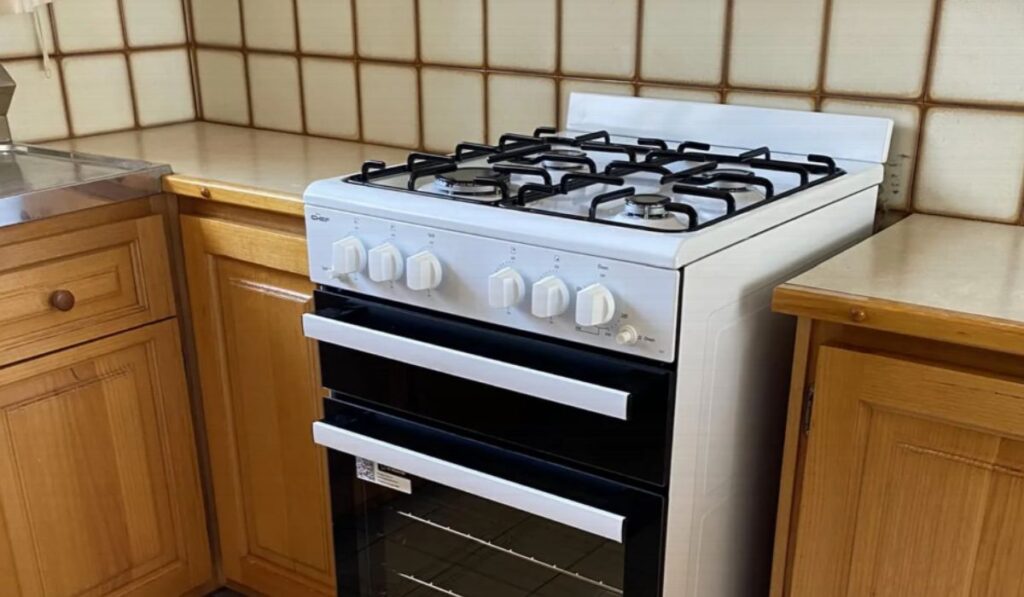

Gas appliances do a lot of quiet work in Australian homes, cooking, heating, hot water, usually without anyone thinking twice about them. They’re designed to run safely when installed and maintained properly, but things can go wrong over time, wear, a bit of deterioration, an installation that wasn’t quite right to begin with, or ventilation that’s never been adequate. Gas leaks, faulty connections, and poorly maintained appliances all carry real risk, which is exactly why a professional inspection is worth taking seriously rather than putting off.
A proper gas safety inspection covers the relevant appliances, connections, and installation components, checking for hazards and whether everything actually meets the safety requirements it’s supposed to. What gets checked depends on the property, the appliances involved, and the scope of the inspection itself. Homeowners after a licensed gas fitter in Geelong can arrange proper assistance whenever gas installations need assessing, maintaining, or repairing. Knowing roughly what to expect tends to make the whole process easier, and makes sense of whatever recommendations come out the other end.
Checking Gas Pipes and Connections for Leaks
One of the more important parts of an inspection is checking the accessible gas pipework and connections for leaks. A gas installation has plenty of fittings, joints, and connections that need to stay properly secure to keep gas from escaping into the surrounding space. Over time, deterioration, movement, or damage can affect any of these. A licensed gas fitter uses proper testing equipment and approved procedures to check for leakage and look into anything that stands out during the inspection.
How much testing happens depends on the installation and the work actually being done. Pressure testing or other approved leak detection methods sometimes come into it too, depending on what’s needed to assess the system’s integrity. If a leak does turn up, the gas fitter works out the right next step based on where it is and how serious it looks. Repairs have to be done by someone appropriately licensed, and affected appliances or sections of the installation may need to stay isolated until they’re genuinely safe to use again.
Assessing the Condition of Gas Appliances
Inspections often cover appliances too, cooktops, ovens, heaters, gas hot water systems. The gas fitter looks at the type of appliance, its condition, and whether there’s any visible sign of deterioration or a past installation that wasn’t quite right. Depending on the scope, that might mean checking burners, ignition systems, safety controls, and whatever else influences how the appliance actually runs. Anything damaged, poorly maintained, or operating oddly might need further testing, servicing, or repair.
Odd burner behaviour, trouble getting an appliance to light, unexpected shutdowns, visible damage, all of these are worth paying attention to. But not every fault announces itself so clearly. Problems with combustion or ventilation, for instance, can be genuinely hard to spot without proper testing. A professional assessment tends to catch what might otherwise slip past unnoticed, and settles whether an appliance can keep running safely or needs work first.
Examining Ventilation and Combustion Safety
Gas appliances need the right conditions to combust safely, and where it applies, a safe way of removing whatever combustion produces. Poor ventilation or a faulty flue can create genuinely dangerous conditions, particularly with certain indoor gas heaters and other combustion appliances. Carbon monoxide is the big concern here, since it’s colourless and odourless, which means there’s no way to smell your way to a warning. A gas safety inspection usually covers the relevant ventilation arrangements, flues, and how the appliance is actually operating.
Depending on the appliance and what’s required, the gas fitter might run combustion testing, carbon monoxide testing, or other safety checks. These tend to pick up on things like inadequate airflow, combustion faults, or the risk of combustion products finding their way into occupied areas. Worth avoiding blocking ventilation openings or altering flue systems without professional advice first. Making sure appliances have proper ventilation and are installed to the relevant requirements really is central to keeping combustion-related risks down.
Reviewing Gas Installation Compliance
Gas installations in Victoria sit under regulatory requirements and applicable Australian standards. A professional inspection often involves checking whether relevant parts of the installation actually comply with current safety requirements, particularly where new appliances have gone in, existing equipment’s been moved, or modifications have been made to the gas pipework. It can also flag obvious concerns tied to previous installation work or alterations.
That said, a routine inspection shouldn’t automatically be treated as a full compliance audit of every concealed component on the property. The scope of the work needs to be clear before the inspection even starts. Where prescribed gas fitting work has been carried out, Victorian requirements may call for a Certificate of Compliance and other documentation alongside it. Worth asking the gas fitter directly what’s actually included, and whether any certificates, reports, or extra testing apply to the particular situation.
Identifying Problems With Gas Pressure and Appliance Performance
Gas appliances are built to run within specific pressure and performance limits. Incorrect pressure can throw off burner operation, heating performance, and how combustion behaves. Problems here might stem from an installation fault, a regulator issue, a supply restriction, or something else going on within the gas system. During a proper inspection or service, a licensed gas fitter can measure the operating pressure and check whether an appliance is getting gas within the limits the manufacturer actually specifies.
Pressure testing and adjustment need real specialist knowledge and equipment, since getting the settings wrong can create a genuine safety hazard. Worth never attempting to adjust gas regulators, appliance components, or supply connections without a professional involved. If an appliance is producing inconsistent heat, struggling to run, or behaving oddly in some other way, professional testing tends to be the only reliable way to pin down the cause. Some of these symptoms come down to the appliance itself, others trace back to the broader gas installation or supply.
Understanding When Gas Safety Inspections Are Needed
The right timing for an inspection depends on the property, the type of appliance, manufacturer recommendations, and whatever legal obligations apply. Homeowners often arrange one when buying an older property, replacing appliances, finishing renovations, or chasing down unusual appliance behaviour. Periodic servicing helps too, catching wear and deterioration before it turns into something more serious. Some appliances have their own manufacturer-recommended maintenance schedule worth sticking to.
Rental properties in Victoria carry their own specific gas safety requirements. Where a rental has relevant gas installations or appliances, rental providers generally need to arrange gas safety checks at least every two years through someone appropriately qualified, subject to the applicable regulations, and keep records as required. These obligations differ from the general recommendations for owner-occupied homes, so it’s worth knowing which rules actually apply to a given property. Professional advice tends to clear this up quickly.
What Happens After the Inspection?
Once the inspection’s done, the gas fitter should walk through any significant findings and explain whether repairs, servicing, or further investigation are needed. What gets shared depends on the agreed scope of work and whatever documentation applies. Some inspections turn up nothing of concern, others reveal deteriorated connections, a faulty appliance, or ventilation problems that genuinely need attention. Worth asking for clarification on the spot if anything about an appliance’s condition or the recommended next step isn’t clear.
Where there’s an immediate safety risk, the affected appliance or the gas supply itself might need to be isolated until it’s sorted. Worth following the gas fitter’s safety instructions closely and not operating anything that’s been flagged as unsafe. If a gas leak’s suspected at any point, the right move is avoiding flames, smoking, and electrical switches, leaving the area, and contacting the gas emergency service or emergency services from somewhere safe. Acting promptly genuinely matters when gas is involved.
Keeping On Top of It
A professional gas safety inspection really comes down to assessing the condition and safety of the relevant appliances, pipework, and installation components. Depending on the scope, that might mean leak detection, appliance testing, ventilation checks, gas pressure testing, and a look at whatever installation requirements apply. These checks tend to catch hazards early and give homeowners a much clearer picture of whether maintenance or repairs are actually needed.
Keeping gas safe is about more than reacting once something’s obviously gone wrong. Proper servicing, professional inspections, and acting quickly on anything unusual all go a long way toward cutting the risks that come with gas installations. Worth always using a properly licensed professional for gas fitting work, and following the relevant safety recommendations along the way. Understanding what an inspection actually involves, and acting on whatever it turns up, tends to be what keeps a household gas system genuinely safe and reliable over the long run.

