
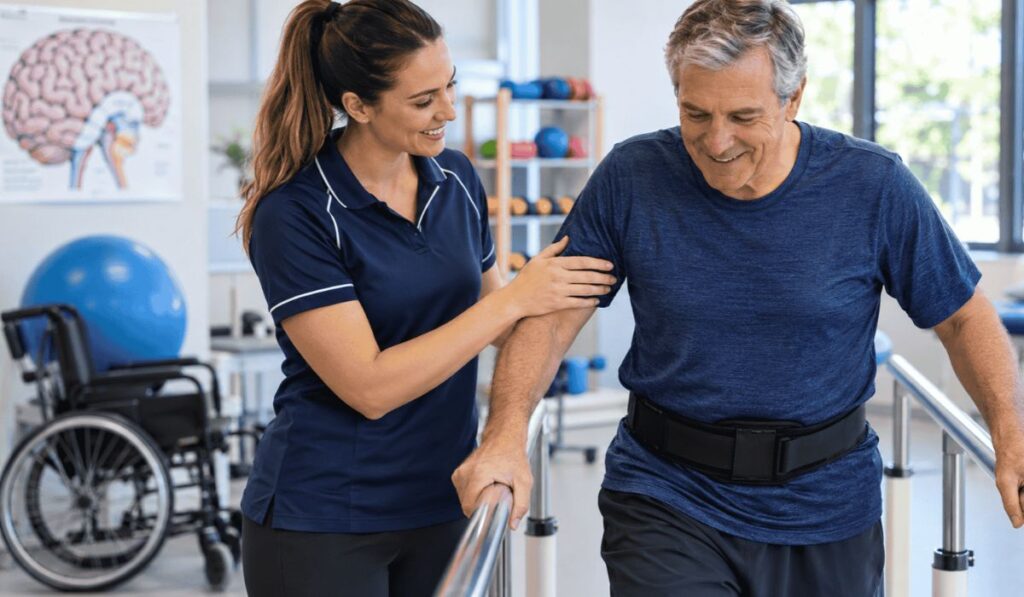

Neurological conditions can reach into almost every part of daily life, from walking and balance to speech, memory and the routine tasks most of us never think about. Whether someone is recovering from a stroke, living with Parkinson’s disease or adjusting after a neurological injury, the right rehabilitation approach can make a meaningful difference. It aims to improve physical function, support independence and help people feel confident in what they can do again.
For individuals and families exploring Neurological Rehabilitation in Warilla, understanding the options is a sensible first step. Programs can address movement difficulties, muscle weakness, coordination problems and other challenges linked to neurological conditions. It’s worth saying plainly that what any program achieves depends on the condition, its severity and the person. This article is general information and not a substitute for advice from a doctor or a qualified rehabilitation professional.
What Is Neurological Rehabilitation?
Neurological rehabilitation is a specialised area of healthcare for people with physical, cognitive or functional difficulties caused by conditions affecting the brain, spinal cord or nervous system.
It isn’t the same as a general exercise program. It targets the specific problems that get in the way of daily life, and depending on need it may involve physiotherapy, occupational therapy, speech pathology and other services. Better movement is part of the goal, but so is taking part in everyday life more comfortably and with more confidence.
Common Conditions That May Benefit From Neurological Rehabilitation
Rehabilitation can support people living with a range of conditions, including:
- Stroke: improving mobility, balance, strength and independence after a stroke.
- Parkinson’s disease: supporting movement, posture and coordination, and managing mobility-related symptoms.
- Multiple sclerosis: addressing fatigue, muscle weakness, balance difficulties and changes in physical function.
- Traumatic brain injury: supporting recovery from movement, coordination and cognitive challenges after an injury.
- Spinal cord injuries: developing functional abilities and adapting to changes in mobility.
- Other neurological disorders: personalised support for other conditions affecting the nervous system.
Every condition brings its own challenges, which is why an individual assessment and plan matter so much.
Why Neurological Rehabilitation Is Important
Tasks that used to be simple, like getting dressed, walking around the house, cooking a meal or catching up with friends, can become much harder. Rehabilitation gives structured support for those challenges, and for working towards goals that are realistic and mean something to the person. For stroke in particular, Australian clinical guidelines place a strong emphasis on access to rehabilitation, so it’s reasonable to ask about it early.
Improving Mobility and Balance
Movement difficulties are common. Muscle weakness, reduced coordination and poor balance can raise the risk of falls and limit independence. Physiotherapy-based rehabilitation may include walking exercises, balance training, strengthening and practice of everyday movements, with the aim of helping people move more safely at home and out in the community.
Supporting Brain Adaptation and Motor Learning
The nervous system has an ability called neuroplasticity, which is its capacity to adapt and reorganise in response to learning and experience. After some neurological injuries, structured exercises may help people build or strengthen movement patterns through repeated practice.
Recovery varies a great deal with the condition and the severity of the injury. Consistent, well-designed rehabilitation can support functional improvement, but nobody can promise a particular outcome.
Encouraging Greater Independence
Independence is one of the most meaningful goals. For some people, progress means walking without help. For others, it might be getting out of a chair more easily, managing household tasks or going to a community event again. Rehabilitation professionals work with each person to set practical goals that reflect what matters to them.
Key Components of an Effective Neurological Rehabilitation Program
A comprehensive program often combines several approaches. Which ones are recommended depends on the person’s condition, symptoms, abilities and medical history.
1. Neurological Physiotherapy
This focuses on movement, strength, coordination, posture and balance. Treatment may include walking retraining, strengthening, balance and stability work, functional movement training, posture and coordination exercises, and strategies to reduce fall risk. Exercises usually change as abilities and goals change.
2. Occupational Therapy
Occupational therapy helps people develop or regain the skills needed for daily life, such as dressing, bathing, cooking, writing and household tasks. Occupational therapists may also recommend adaptive equipment or changes that make the home safer and easier to move around in.
3. Speech and Communication Support
Some neurological conditions affect speech, language, communication or swallowing. Speech pathologists can assess these difficulties and provide therapy to improve communication or support safer swallowing where needed.
4. Balance and Coordination Training
Balance problems can dent confidence and increase the chance of falls. Targeted exercises may help with postural control, coordination and responding to changes in body position, which is especially relevant after a stroke or with conditions that affect movement control.
5. Education and Home Exercise Programs
Rehabilitation doesn’t have to end when the appointment does. Patients may be given personalised exercises and practical guidance to keep working towards their goals at home. Education can also help family members and carers understand how to support someone without taking away their independence.
The Importance of Personalised Rehabilitation
No two people experience a neurological condition in quite the same way. Even with the same diagnosis, symptoms, abilities, recovery timelines and goals can differ. A personalised plan takes into account:
- the type and severity of the condition
- current mobility and functional limitations
- medical history and other health concerns
- personal rehabilitation goals
- the home environment and available support
- progress and response to treatment
Healthcare professionals may reassess the plan regularly and adjust exercises as needed. That keeps treatment appropriate, achievable and relevant to the person’s day-to-day life.
Accessing Neurological Rehabilitation in Warilla
Services close to home can make ongoing treatment far more manageable for individuals and families. People in Warilla and the wider Illawarra may find local options offering individual assessment, structured therapy and ongoing guidance.
A GP is a good place to start. They can talk through referrals and explain what funding or support might be available, which can include Medicare arrangements, private health cover, the NDIS or My Aged Care, depending on eligibility. Illawarra Rehabilitation Clinic is one local provider to look into. Whichever service you consider, talk through your condition, your treatment needs and your goals with a qualified professional to work out what’s appropriate.
What a First Appointment Might Involve
It helps to know what to expect. A first appointment usually centres on a conversation and an assessment: your medical history, what’s changed, what’s hardest day to day and what you most want to get back to. The therapist may watch you walk, stand or move through everyday tasks.
A few simple preparations make the session more useful. Bring any reports, scans or referral letters, a list of your medications and a short note of the situations that worry you most, such as stairs, showering or getting in and out of the car. If a family member or carer can come along, they often remember details you’ll forget, and they’ll hear the plan first-hand.
What to Consider When Choosing a Rehabilitation Provider
Picking a provider involves more than finding the closest clinic. It’s worth checking whether the provider has experience with your particular condition, plans treatment individually, communicates clearly and offers practical strategies for keeping progress going between appointments.
Good questions to ask include how goals are set and measured, and whether the provider works with other healthcare professionals when needed. It’s also reasonable to confirm that physiotherapists and occupational therapists are registered with AHPRA, and that speech pathologists hold appropriate qualifications, such as membership or certification through Speech Pathology Australia. A good clinician will be comfortable answering all of this, and will tell you honestly if another service would suit you better.
How Family Members Can Support Neurological Recovery
Family and carers often play a big part. Their involvement can help someone stay motivated, keep up recommended exercises and cope with changes to daily routines. The best support encourages independence wherever possible, which isn’t always easy, because it’s tempting to simply do everything for someone you love.
Helpful approaches include consistent routines, encouragement, a safer home and staying in touch with the rehabilitation team. Carers also need to look after themselves, because supporting someone with a neurological condition can be physically and emotionally heavy. Condition-specific organisations, such as the Stroke Foundation, Parkinson’s Australia and MS Australia, offer information and support for both patients and carers.
How Long Does Neurological Rehabilitation Take?
There’s no single answer. Some people see meaningful improvement over several weeks or months, while others need longer-term therapy to manage ongoing symptoms or hold on to function. The underlying condition, the severity of impairment, overall health, treatment intensity and individual response to therapy all play a part.
With progressive conditions, rehabilitation may focus on maintaining mobility, managing symptoms and supporting quality of life, not on restoring earlier abilities completely. Progress can also be uneven, with good weeks and flat ones, and that’s normal. Regular participation, realistic expectations and open conversations with healthcare professionals help people make informed decisions along the way.
If someone shows sudden signs of stroke, such as facial drooping, arm weakness or slurred speech, call 000 immediately. Rehabilitation is for the recovery stage, not an emergency response.
Taking the Next Step
Neurological rehabilitation has an important part to play in helping people manage the physical and functional effects of conditions that affect the nervous system. Through individual treatment, movement training, practical education and ongoing support, it can help people improve mobility, build confidence and take part more fully in everyday life.
For individuals and families in Warilla, understanding the options is a step towards informed decisions. With good professional guidance and realistic goals, rehabilitation can support meaningful progress and greater independence over time.

