
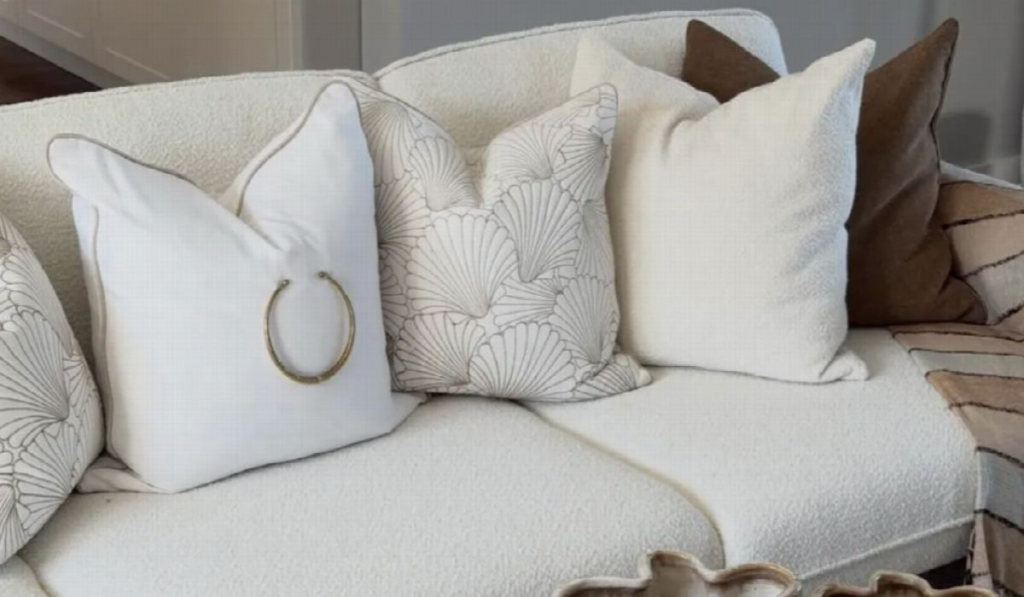

I once walked through an open home where the living room was completely empty. The agent kept saying how spacious it was, but I couldn’t tell whether my couch would fit, or where a dining table might go. A week later I saw the same sort of room with a few well-chosen pieces in it, and suddenly it made sense. Nothing about the room had changed except my ability to picture it.
Preparing a property for sale takes more than cleaning, decluttering and booking a photographer. The way a home is presented can shape how buyers see its space, its function and its overall appeal. Furniture placement, colour, lighting and accessories all help people imagine themselves living there. Professional styling is often used to bring these elements together, and full and partial styling are two common approaches for owners getting ready to list.
Both aim to improve presentation, but they differ in how much furniture is supplied, how much preparation is needed and how existing furnishings are used. Understanding those differences makes it easier to choose an approach that suits your property, budget and circumstances. Services like Sydney real estate styling by The Styling Project can help homeowners explore professional presentation options before listing. Whether a home is completely vacant or still lived in, the right approach can highlight its strongest features and create a more appealing space for buyers.
What Is Full Property Styling?
Full styling means furnishing and decorating a property with furniture, artwork and accessories chosen specifically for the sales campaign. It’s commonly used for vacant homes where there’s little or no furniture. A stylist looks at the layout, the architectural features and the likely buyers before putting together a coordinated plan.
That usually includes furniture for the main living areas, bedrooms and dining spaces, plus decorative touches that suit the home’s character. The aim isn’t to fill every corner. It’s to create a balanced layout that shows how each room could be used. Carefully chosen pieces can define the scale of a space, add visual interest and make an empty property feel more welcoming. Full styling can be especially useful for newly built homes, investment properties and homes that have already been vacated before sale.
What Is Partial Property Styling?
Partial styling works with some of the owner’s existing furniture and adds selected pieces and accessories to lift the overall look. It’s common when owners are still living in the home during the campaign, or when they already own furniture that suits the styling direction.
A stylist may suggest rearranging what’s there, removing items that aren’t helping and adding things like artwork, cushions, rugs, lamps or occasional furniture. Sometimes larger pieces are brought in to improve a particular room. How much depends on the home’s condition and how well the current furnishings suit the plan. The idea is a cohesive result without furnishing the whole house from scratch, which makes it a practical choice for sellers who want professional help while keeping the furniture they already own.
How Full and Partial Styling Affect Property Presentation
Both approaches improve how a home looks, but they get there differently. With full styling, the stylist can design a coordinated scheme without having to work around existing furniture, which gives more freedom with sizes, colours and decorative choices that suit the layout and architecture.
Partial styling is more selective because the design has to include what’s already in the home. Pieces may be rearranged, combined with hired items or temporarily removed to create a better balance. How well either approach works depends on the condition of the property, the proportions of the rooms and the presentation goals. A well-executed partial scheme can look just as good as full styling when the existing furniture is right. The key is that each room feels organised, functional and in keeping with the home’s character.
When Is Full Property Styling the Better Option?
Full styling is often a good fit when a property is vacant or when the current furniture doesn’t support the presentation goals. Empty rooms can look smaller or less inviting in photos because buyers have no reference for their size. Appropriately scaled furniture helps show how the space handles everyday life.
It can also suit newly completed homes and properties that have just been renovated, where a coordinated scheme complements the updated interiors and gives the home a clear visual identity. Full styling isn’t automatically necessary for every vacant home, though. Price range, likely buyers, campaign length and budget all matter. Sometimes it makes more sense to decide which rooms matter most and furnish those, rather than styling every space.
When Does Partial Property Styling Make More Sense?
Partial styling is practical for owners who are still living in the property while it’s on the market. Moving out before the campaign isn’t always possible or desirable, particularly for families juggling work, school and other commitments. Keeping suitable furniture lets the household keep functioning while the home is made ready for photography and inspections.
It also suits homes that already have furniture in good condition and sensible proportions. A stylist can identify what should stay, what should move and where extra accessories would help. It still needs cooperation from the homeowner, though. Personal belongings, surplus furniture and everyday clutter may have to be removed or stored during the campaign. The goal is a welcoming home that appeals to a broad range of buyers while letting the people living there carry on as comfortably as possible.
Comparing the Costs of Full and Partial Property Styling
Cost is one of the main things to weigh. Full styling generally involves more furniture and décor, which can raise expenses for hire, transport, installation and removal. The final price can also depend on the size of the property, the number of rooms styled and how long the campaign runs.
Partial styling may cost less in furniture hire because some existing pieces stay, but it isn’t always cheap. A home that needs lots of replacement furniture, extra accessories or a lot of preparation can still involve significant work. Ask for a detailed quotation that explains which rooms are included, what furniture and accessories will be supplied and how long the arrangement will stay in place. It also helps to understand any extension fees and other conditions, so you can budget properly if the campaign runs longer than planned.
How Property Styling Supports Real Estate Photography
Photos are often the first impression buyers get. Online listings rely heavily on images to show room sizes, layout, natural light and interior presentation, and both full and partial styling can help create balanced spaces that photograph well and show how rooms might be used.
Furniture placement matters because oversized or badly positioned pieces can make a room feel crowded, and too many decorative items can pull attention away from architectural features or open space. Professional styling aims for clear focal points, comfortable circulation and a consistent look from room to room. In vacant homes, full styling gives visual context, while partial styling improves existing arrangements. Styling can’t change a property’s actual size or condition, but thoughtful presentation can help buyers understand its practical features more easily.
What Happens During a Property Styling Consultation?
A consultation usually starts with an assessment of the home’s layout, condition and furnishings. The stylist may look at room proportions, natural light, architectural features and the kind of buyers the property is likely to attract. You can also talk through your timeline, your budget and whether you plan to stay in the home during inspections.
After that, the stylist may recommend full styling, partial styling or a mix for different rooms. A vacant living area might benefit from hired furniture, for example, while bedrooms with suitable pieces may need only small adjustments. The consultation can also flag preparation tasks such as decluttering, cleaning, minor repairs or removing personal items. Clearing these up before installation helps you understand the work involved and coordinate styling with photography, marketing and inspection schedules.
Choosing the Right Styling Approach for Your Property
Choosing between full and partial styling comes down to how the property looks now and what you need as a seller. A vacant apartment might suit a complete furniture arrangement, while an occupied family home may need only a few selective changes. The best option depends on how well the existing furniture supports the layout and appeal.
Think about the wider sales strategy too. Styling should suit the property’s features and its likely buyers rather than chasing trends that don’t fit the home. A stylist can recommend an approach that balances presentation, practicality and budget. Focus on the quality and suitability of the finished result rather than assuming full styling is always better. Both can create attractive interiors when they’re planned and carried out thoughtfully.
Finding the Right Fit
Full and partial styling are two ways of preparing a home for sale, and each suits different circumstances. Full styling furnishes a property with selected furniture and accessories, which makes it a natural choice for vacant homes. Partial styling keeps suitable existing furnishings and adds pieces or adjustments to improve the overall look.
Neither approach guarantees a particular sale price or a faster sale, but thoughtful styling can help buyers understand a property’s layout, function and potential. Weigh up your existing furniture, your likely buyers, your budget and your timeline, and you can choose a strategy that supports your goals. Good professional guidance helps the home look consistent and inviting for photography and inspections, and that empty-room feeling I remember is exactly what it’s meant to fix
