
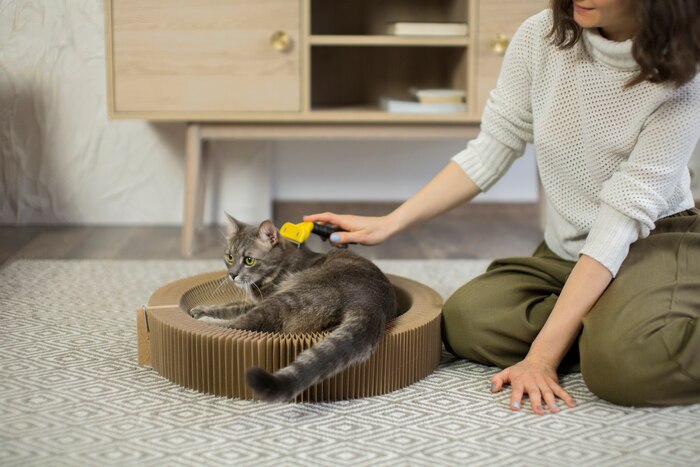

Your adorable, fuzzy little bundle of joy and overly enthusiastic meows is the star of your household, and might seem like the friendliest, cuddliest, and most affectionate pet one can hope for. While all this is probably true, the truth is that cats, unlike dogs, are not yet fully domesticated, and because of this, they still share the unpredictability and instinctual predisposition found in their wild counterparts.
Cats are the second most popular type of pet in Australia, being found in no less than 33.6% of our country’s households. Moreover, the overall percentage of cat ownership in Australia is on the rise. In 2019, only 27% of households owned a cat, while now, in 2026, this value has risen by almost 8%. It’s easy to see why we are so fond of our feline friends.
Affectionate, independent, intelligent and plain adorable, cats are the perfect types of pets for space-restricted tenants, who don’t benefit from the square footage required to handle the needs of more co-dependent animals (such as dogs). Cats don’t need walking; they are fine doing their business alone for most of the day, and they have a natural predisposition for burying their waste, which is convenient, but necessitates the purchase of cat litter.
Is It Really Necessary to Invest in Cat litter?
In short? Yes. In fact, if we are being honest, it’s likely the most important purchase you can make for ensuring your kitty’s hygiene and supporting her ingrained instincts. Cats, unlike dogs or other types of pets, have an instinctive drive to bury their waste and thus hide their scent.
When purchased from reputable brands, top-shelf cat litter can imitate the soft, diggable soil that cats use in their natural environment for covering up their traces, and thus, it can make your cat much more likely to use a litter box consistently rather than having accidents all over the house. Funny story: I had a friend in college who rescued a kitty scooping the cafeteria, and he sneaked it inside the dorms.
The kitty was adorable, but since he was not potty trained and my friend didn’t purchase a litter, we soon found out that he developed a rather unusual habit of doing his business in his small, indoor plant pots, and then burying his droppings (rather unsuccessfully). This went on for a couple of weeks, till he finally redeleted and bought a litter tray. Too late, though, as his nickname was now Stinky.
Cat Litter Is Necessary to Keep Your Home Hygienic
Kitties, just like other small wild felids, bury their waste in order to stay hidden from large predators and keep their scent concealed from their own prey. Now, while it’s true that the only thing worth hunting in your dwelling is the hideous bed covers you received from grandma, your kitty doesn’t exactly know this, and thus, she will try to cover her tracks whenever possible by utilising litter that reminds her of the consistency of soil.
If litter is not available, your kitty will start to have accidents, which, as you can imagine, will likely make your house smell like the lion enclosure at the local zoo. Plus, a kitty without a litter box is likely to develop stress-related conditions and exhibit behavioural traits that you want to train out.
Whether we are talking about cat litter clumping or other varieties, investing in this pet product will be necessary to keep odours at bay, protect your floors, and make the clean-up process, after your kitty’s toilet time, a tiny bit easier.
What Are the Main Benefits of Kitty Litter Clumping?
Kitty litter clumping is probably the most popular litter choice available to Australian cat owners. It’s easy to see why:
It Can Make Cleaning a Bit Easier
Kitty litter clumping is excellent at trapping moisture and odour in tight, easily visible clumps that can be removed from the litter box without replacing all its contents.
It’s Long-Lasting and Cheap
Kitty litter clumping can be quite cost-efficient, as after your kitty does its business, you will only need to remove the waste that was encapsulated in clumps. In other words, you are only removing a tiny bit of litter at a time, and therefore, a full bag of it could realistically last you more than a few weeks.
It’s Widely Available and Preferred by Most Cats
Kitty litter clumping is the preferred choice for most Australian cat owners. So, it’s pretty much impossible to go to a local pet shop, or browse the selection of your preferred online pet store, and not find tens of different brands to choose from at various price points.
The popularity of clumping litter goes hand in hand with the preferences of most cats. Since the texture of clay-based litter is similar (sort of) to soil, most kitties prefer it and have no issue adapting to it.
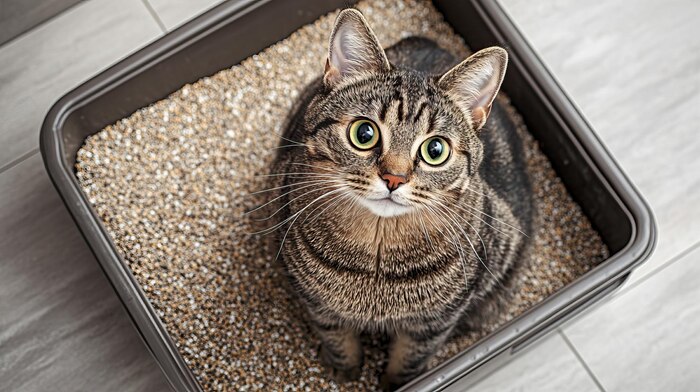
Are There Downsides?
Nothing is perfect, right? While clay-based cat litter is cost-effective and quite efficient at what it sets out to do, it also presents a series of cons that may or may not be dealbreakers for certain cat owners.
Dust, So Much Dust
Now, this varies from brand to brand, but the issue with clay-based litter is that it can form fine dust that gets trapped in the fur of your kitten and/or lead to respiratory difficulties. For most cats, this is not much of an issue, but it’s still something worth considering.
It’s Heavy to Carry
I don’t know about you, but carrying around a heavy, bentonite bag is not exactly my favourite activity. Cat litter clumping can be heavier and denser than wood pellets or silica gel litter, and it’s also not ideal for very young kitties that sometimes explore their surroundings by tasting the litter.
It Can Track Around the House
The fine granules of bentonite clay can sometimes stick to the front or back paws of your kitty, and then get carried outside of her litter box, probably settling on your pristine and recently cleaned sofa. Will it happen every time? No, but even once can be too much.

