
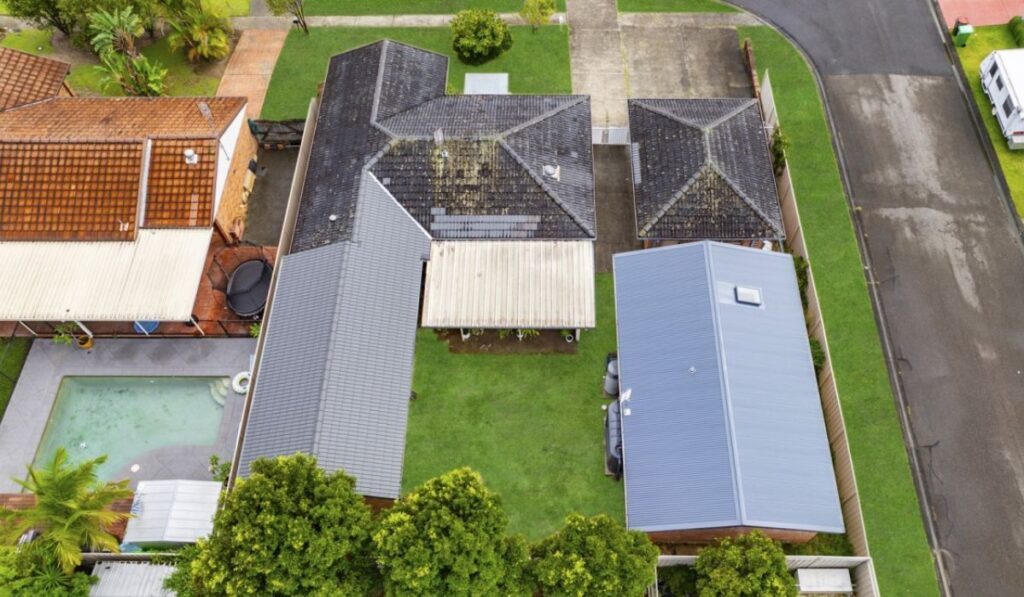

Granny flat investment has been one of the most popular property strategies across NSW for years now, and heading into 2026, plenty of homeowners are still asking the same question: is it actually still worth it?
Construction costs have gone up, the market’s shifted in a few directions, and yet granny flats keep offering one of the more practical, relatively affordable ways to generate extra rental income and add value to a property. For a lot of investors, that hasn’t really changed. Strong tenant demand, flexible living options, and a lower entry cost than a full second dwelling still make them an appealing choice. Here’s why granny flat investment is still performing well in 2026, and what’s worth thinking through before building.
Rental Demand Hasn’t Slowed Down
A big part of why granny flats stay popular comes down to something simple, there’s still strong demand for affordable rental housing across NSW. Tenants want private, low-maintenance accommodation, something smaller and easier to manage, in locations that are actually convenient to get around from. With rental shortages still showing up in suburb after suburb, a well-designed granny flat tends to attract interest fast.
The Numbers Still Add Up
Compared with most traditional property investments, granny flats can still deliver strong rental returns relative to what they cost to build. Rental income, better cash flow, a higher yield, a faster return on investment, and getting more use out of land already owned, these are the kinds of benefits that keep coming up. For homeowners who already have suitable property, a granny flat can create genuine additional income without the cost and hassle of buying a whole separate investment property.
Rents Have Risen Along With Building Costs
Yes, building costs have climbed over the past few years. But rents across NSW have climbed too, and that’s kept the equation working in favour of granny flat investment. Demand is still high, affordable housing is still limited, and smaller dwellings still appeal to a large slice of the tenant market. The extra rental income helps offset the higher build cost, and dual-living properties continue to draw buyer interest. The part that actually matters is building something practical, efficient, and made to last, not just something quick.
It’s Not Just About Rental Income Anymore
Granny flat investment used to be almost entirely about the rental return, but that’s shifted a bit. More homeowners are building them for flexibility as much as income, somewhere for elderly parents to live, space for adult kids who aren’t quite ready to move out, guest accommodation, a home office, or just some extra room to breathe. That flexibility adds value on its own, well beyond whatever shows up on a rental statement.
Still One of the Lower-Risk Ways In
Set against duplexes or bigger developments, granny flats are still a more achievable, lower-risk way to invest in property. Lower construction costs, faster build timeframes, simpler approvals, and less holding expense along the way, all of it adds up to less financial exposure than a larger project. For anyone getting into property investment for the first time, that’s exactly what makes granny flats a more accessible entry point.
Today’s Granny Flats Are Built Differently
The granny flats going up now feel a world away from the older, boxier versions people picture. Open-plan living, proper two-bedroom layouts that actually work, modern kitchens and bathrooms, decent natural light, and private outdoor space, these are standard expectations now, not upgrades. A well-designed granny flat tends to pull both stronger tenant demand and better long-term property value.
Location Still Decides a Lot
No matter how good the build is, location still plays a major role in how well a granny flat investment performs. Areas with high rental demand, population growth, decent transport links, nearby amenities, and limited affordable housing tend to be where granny flats perform best. Picking the right property and working with a builder who understands the local market can make a real difference to how the investment plays out over time.
The Bottom Line
Granny flat investment isn’t the guaranteed win it’s sometimes made out to be, costs, location and build quality all still matter, but the fundamentals that made it popular in the first place are largely still intact heading into 2026. Steady rental demand, a lower entry cost than most alternatives, and the flexibility to use the space for something other than rent all keep it a reasonable option for homeowners weighing up what to do with their land. As with any property decision, it comes down to the specific site, the numbers, and what the homeowner actually needs from it.


