
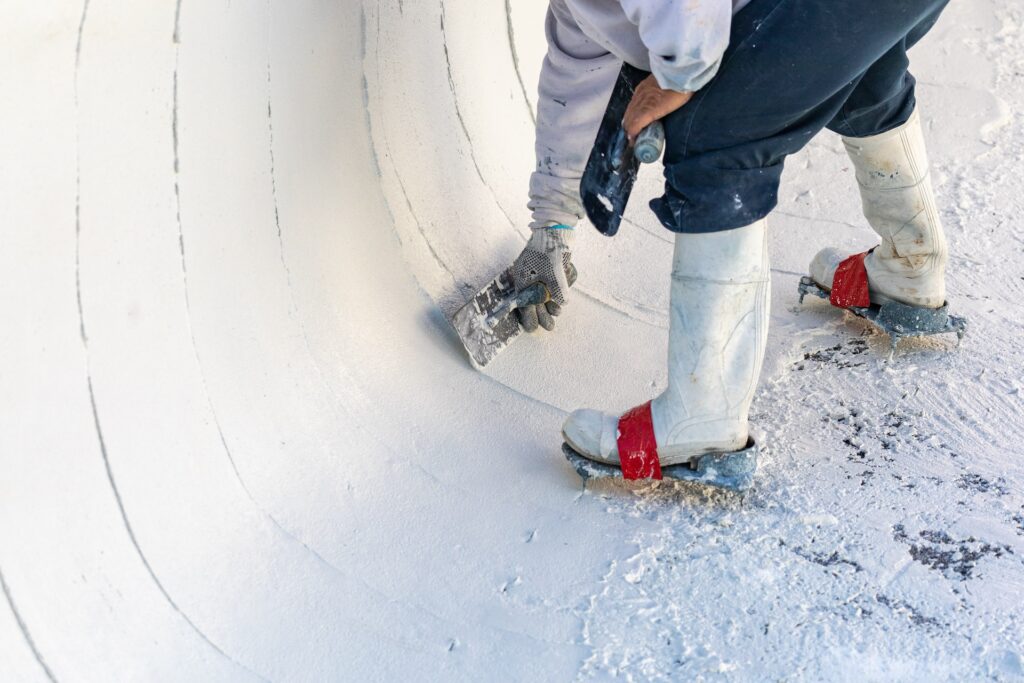

There’s a moment most pool owners will recognise. You’re standing in the shallow end on a warm afternoon, your foot drags across the floor and it feels like fine sandpaper. You tell yourself it’s nothing, then you notice it again the next weekend. I’ve had that exact conversation with myself about a lot of things around the house, and the answer is usually that it was something all along.
A pool’s surface takes a beating. Water, chemicals, sun and constant use wear it down, and even a well-looked-after pool will eventually show its age. When it does, pool resurfacing Perth becomes the way to restore it. Knowing the signs means you can act before small wear becomes a bigger, costlier problem. Here’s what I’d watch for.
A Rough or Chalky Surface
This is one of the most common signs. The surface starts to feel rough or chalky underfoot, and in some cases it can even scratch skin. The protective finish has been wearing away, and what’s left behind isn’t pleasant to touch.
It’s more than a comfort issue, because the texture is telling you the finish is deteriorating. If the pool no longer feels as smooth as it once did, take note. Run your hand over the walls and steps as well as the floor, since wear can be uneven.
Visible Cracks
Cracks deserve to be taken seriously. Some fine surface cracks are only cosmetic, but larger or spreading ones can let water through and cause more serious problems.
The difficulty is that it’s hard to tell the harmless ones from the worrying ones by eye. Whether a crack is superficial or structural is a job for a professional, so have any cracking assessed. Significant or worsening cracks often point to resurfacing, and sometimes to repairs beyond the surface.
Stains That Won’t Clean Away
Some staining is just water chemistry, and it can clear up once the balance is corrected. Marks that won’t shift with normal cleaning are a different story. They can mean the finish itself is affected.
If staining resists your usual cleaning and balancing, look closer. It’s worth ruling out the water chemistry first, ideally with a proper water test, before assuming the surface is to blame. If the pool is balanced and the marks are still there, a surface that’s stained and worn beyond cleaning is often a sign that resurfacing would improve both its look and its condition.
Fading and a Tired Appearance
Over the years, sun and constant exposure take their toll, and a pool can fade until it looks tired. It’s the one sign on this list that isn’t dangerous on its own.
Even so, a worn, dated pool drags down the whole outdoor space. For plenty of owners, getting that fresh, inviting look back is reason enough to resurface, and there’s nothing wrong with that.
Leaks or a Dropping Water Level
If the pool loses water faster than evaporation can explain, there may be a problem with the surface or the structure. A persistent, unexplained drop is worth investigating. A simple way to start is the bucket test, which many pool professionals suggest, though I’d leave pinpointing the actual leak to someone with the right equipment.
Leaks can come from cracks or a deteriorating surface, and they tend to get worse over time. Where the surface is behind the problem, resurfacing may be part of the fix. Leaks can also come from pipes and fittings, so the cause needs confirming before any work is quoted.
Blisters or Bubbling
On fibreglass pools in particular, blisters or bubbling can mean water has got into the layers beneath. They show up as raised spots and signal that the surface is being compromised.
Left alone, this kind of deterioration usually worsens. If you spot blistering, get the surface assessed, since resurfacing may be needed to restore a sound, smooth finish. A professional can tell you how widespread it is and whether it’s only a surface matter.
Exposed Underlying Material
When the finish wears through and you can see the material beneath, it has reached the end of its life. The pool looks poor, and the structure is less protected.
At this stage resurfacing is about protecting the pool as much as improving its appearance. A finish worn through to the substrate is a definite signal to restore the surface.
Why Acting Early Matters
The common thread is that surface problems rarely fix themselves. A small issue today can turn into significant, costly damage later, so acting early keeps both the job and the bill more manageable.
Resurfacing in good time also helps protect the pool structure underneath. It lets you deal with things on your own terms, not in a hurry after a bigger failure. One practical warning: don’t drain a pool to inspect it without advice from a professional first, because an empty pool can be damaged by ground pressure.
Choosing a Finish When You Resurface
If you do resurface, it’s a chance to choose a finish that suits your pool and your preferences. Options range from smooth, durable finishes to premium tiled and textured aggregate surfaces, each with its own look and feel.
A professional can talk you through what suits your pool and your budget. Ask for a written quote, check their licence and insurance, ask what warranty comes with the finish and the workmanship, and consider getting more than one quote. It’s also worth asking for photos of similar completed jobs. Resurfacing isn’t just a repair, it’s a chance to refresh the whole pool, so it’s worth thinking about the finish you’d like.
Knowing When to Act
A rough or chalky surface, cracks, stubborn stains, fading, leaks, blisters or exposed material are all signs it may be time to resurface. If you’re noticing any of them, have the pool assessed by a professional who can advise on the best approach for your situation. Done at the right time, resurfacing restores the look of the pool and protects your investment for years to come. And if your foot keeps dragging across the floor of the shallow end, don’t wait for the next weekend to notice it again.


