
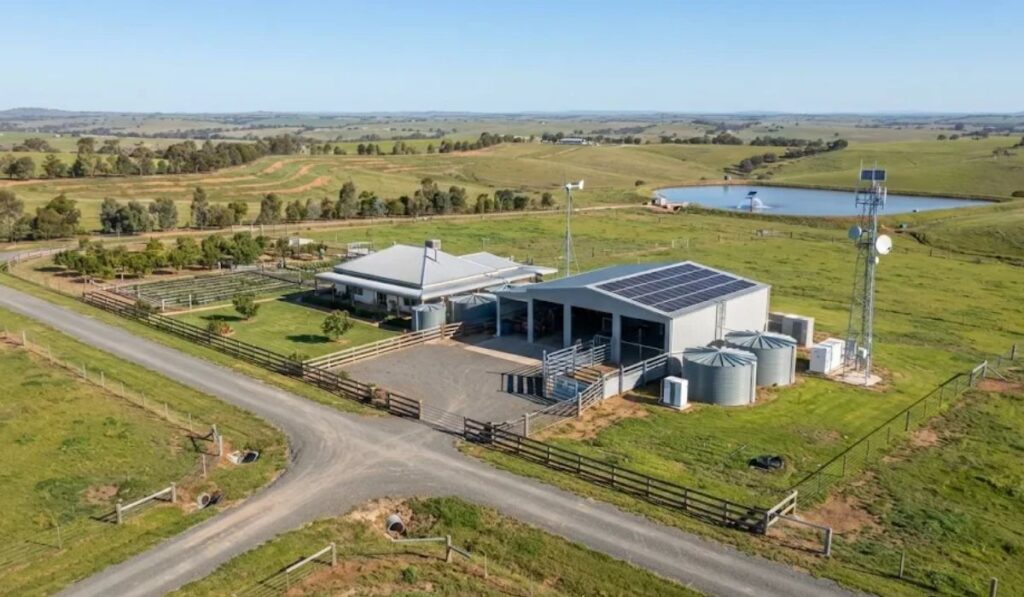

Drive past a handful of rural properties for sale and the difference is usually obvious before you reach the house. One has a cracked dam, a washed-out driveway and a fence line leaning into the paddock. The next has tidy gates, a solid shed and a tank stand with a row of panels behind it. Both might have the same views and the same acreage, but a buyer will read them very differently.
Rural property offers real lifestyle benefits, but keeping it working takes planned investment. Whether you’re preparing to sell or simply want a more functional property, the right infrastructure upgrades can improve daily life and, in many cases, support value. Returns are never guaranteed and vary by region, market and the quality of the work, so this guide focuses on upgrades that solve practical problems first.
Water Management Systems That Pay Dividends
Water infrastructure is the backbone of most rural properties. A rainwater harvesting system with adequate storage can improve both usefulness and appeal. Consider first-flush diverters, appropriate filtration and treatment for drinking water, and enough capacity for household use and any agricultural needs. If tank water is your drinking supply, have it tested periodically and maintain gutters, screens and tanks to reduce contamination risks.
Bore systems with solar-powered pumps can reduce ongoing electricity costs while providing reliable access to water. Rules for bores, dams and water extraction differ between states and territories, and some require licences or approvals, so check with your state water authority and local council before drilling or building. If you have natural water sources such as creeks or springs, proper dam construction or upgrades to existing storage may add practical value. Buyers increasingly look for water security, particularly in drought-prone regions.
Irrigation also deserves attention. Moving from flood irrigation to drip or sprinkler systems can reduce water waste, and savings of 50 to 60 per cent are sometimes quoted for particular setups. Actual results depend on the crop, soil, climate and system design, so ask an irrigation designer for estimates based on your property.
Energy Independence Through Renewable Solutions
Electricity costs are a major concern for rural owners, and energy infrastructure can be among the most impactful upgrades. Solar has moved from novelty to standard equipment on many properties. When you take advantage of solar power by installing solar systems, you can reduce operating costs and appeal to buyers who care about sustainability and long-term savings.
Quotes, system size, rebates and payback periods vary widely, so compare more than one installer. Choose a Clean Energy Council accredited installer, check that panels and inverters meet Australian standards and confirm what warranties apply. Your network operator may need to approve the connection, and some rural networks limit how much solar can be exported.
Battery storage can complement solar by providing power during outages and making better use of what you generate. Properties with comprehensive off-grid capability may suit buyers in areas with unreliable grid connections or high connection costs, though batteries add cost, and their lifespan and performance vary. Wind turbines suit consistently breezy sites, but they need careful thought about placement, maintenance and local planning rules. Hybrid systems combining solar and wind may offer more consistent year-round generation, but they also add complexity. Any installation should be carried out by licensed electricians.
Fencing That Defines Quality
Good fencing signals a well-maintained property. The right type should match the land’s primary use, though versatility helps. Post-and-rail timber suits horse properties and looks attractive, while high-tensile electric fencing offers cost-effective stock management on larger acreages.
Clear, well-maintained boundary fences can prevent disputes with neighbours. Cost-sharing and responsibility for boundary fences are covered by state and territory laws, so it’s worth checking the rules and talking with neighbours before starting. Durable materials such as treated hardwood posts, or steel posts with proper concrete footings, help the fence last.
Internal paddock divisions with quality gateways add flexibility, and well-planned laneways make stock movement easier. Even if you don’t run livestock now, buyers often value the option to do so without significant extra spending.
Road and Access Improvements
Internal roads affect daily usability and market appeal. Properly built all-weather access reduces erosion and maintenance and keeps the property accessible all year, including for emergency vehicles. In bushfire-prone areas, access width, turning space and clearance for fire trucks are also worth checking with your local fire authority.
Investing in road base and proper drainage can break the costly cycle of regrading and pothole filling. Well-placed culverts and table drains protect the road during heavy rain. These improvements matter when you explore rural properties for sale with DCCO, because access quality is often one of the first things buyers notice. Check the listings you find and the conditions on site for yourself.
Consider extending quality access to key areas such as stock yards, sheds and potential house sites. Properties with multiple building sites can appeal to buyers with different plans for the land, though any new dwelling needs council approval.
Building Infrastructure and Improvements
Sheds and outbuildings are among the most valued improvements on rural properties:
- Machinery sheds: A well-designed shed protects equipment and provides workspace. Steel-frame construction with a concrete floor and enough height for modern machinery is a common choice.
- Livestock handling facilities: Yards, loading ramps and crush systems appeal to buyers planning to run cattle or sheep, and basic infrastructure suggests the property can support agriculture without immediate capital outlay.
- Upgraded existing structures: Improving older buildings can be more cost-effective than building new. Insulation, roof replacement or a concrete floor can improve an old shed’s functionality at a fraction of replacement cost.
Building work usually needs council approval or a building permit, and older structures may contain asbestos, particularly in roofing and cladding. Have materials tested and use licensed professionals for removal or major work.
Telecommunications and Connectivity
Reliable internet has moved from luxury to necessity, even in rural areas. Properties with NBN connections, good mobile reception or infrastructure for satellite internet may appeal more to buyers, particularly those who work remotely. External antennas, signal boosters and satellite equipment can help, though performance depends on location and terrain, so check the coverage maps of providers before relying on any one option.
If coverage is poor, documenting the solutions you’ve installed helps prospective buyers understand what’s already in place.
Environmental and Aesthetic Enhancements
Strategic tree planting serves several purposes, including windbreaks, shade for livestock, erosion control and wildlife habitat. Native species generally need less maintenance and support local ecosystems. Established shelter belts can improve stock carrying capacity and create microclimates. Before clearing or planting at scale, check whether native vegetation rules or overlays apply to your land.
Weed control programs and pasture improvement show active land management, and healthy, diverse pastures may be valued more highly than weed-infested ones. Soil testing and targeted fertiliser programs help show the land’s productive capacity. Erosion control measures such as contour banks, vegetation strips along waterways and stabilised high-traffic areas protect the property and may appeal to buyers focused on long-term sustainability.
The Return on Infrastructure Investment
Not all improvements deliver equal returns. Water security infrastructure often adds the most value, but returns vary with regional water availability, market conditions and the specific work done. Quality fencing and all-weather road access can also be solid investments, and energy upgrades often add measurable value while delivering immediate operating benefits.
There’s no formula that guarantees a sale price, so get independent advice before committing large sums. A local agent or licensed valuer can say which upgrades buyers in your area respond to, and your accountant can explain tax and depreciation implications. Keep records, quotes, permits and warranties together, because documentation helps buyers trust the work.
Prioritise upgrades that solve genuine problems or unlock unused potential. A property struggling with water gains more from a reliable bore and storage than from decorative landscaping. Focus on infrastructure that makes the property more functional, sustainable and productive, and you’ll have built something that serves you well whether you stay for decades or decide to sell.


