
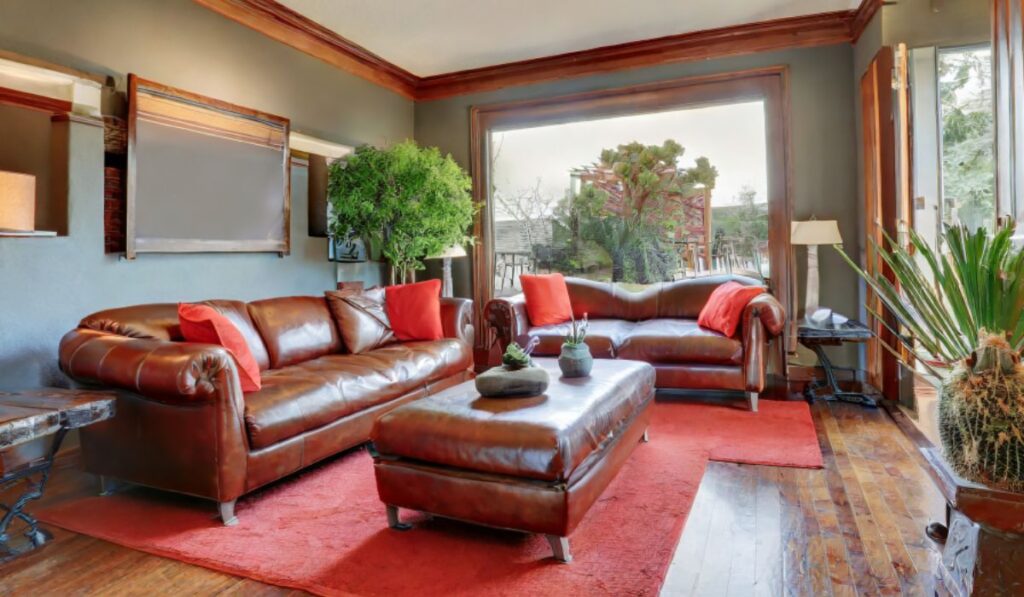

I once bought a lounge because it looked incredible under the showroom lights. Got it home, sat on it for about a week, and the cushions had already gone flat and said nothing. Lesson learned, and an expensive one at that. A living room needs seating that suits the space and how people actually use it, not how it photographs. A leather lounge can be a proper spot to land at the end of a long day while still making the room look pulled together, but getting there takes more than picking whatever caught your eye. When you’re looking at leather lounges in Midland, room size, seating needs, layout, leather finish, and cushioning all pull their weight. Nail the balance between size, comfort, and design, and the rest of the room tends to sort itself out.
Why Leather Lounges Are a Popular Choice for Modern Living Rooms
People don’t pick leather lounges for one reason, it’s usually the combination. Looks, durability, and the fact that they’re easy to live with day to day. That smooth surface gives a room a tidy, finished feel that suits most modern interiors, and depending on the design, a leather lounge works just as well in a stripped-back minimalist space as it does somewhere more traditional.
There’s a practical side to it too, and honestly this is the bit I care most about. Good leather holds up to regular use and wipes clean far more easily than fabric ever does. Matters a lot more once you’ve got a household actually using the thing daily, kids, pets, dinner on laps, all of it, rather than a lounge that only sees action when guests come over.
Colour and finish play their part as well. Neutral tones tend to sit well against whatever furniture you already own, while darker finishes turn into the focal point of the room whether you meant them to or not. Really, the right pick has more to do with your existing colours, flooring, lighting, and how everything else is arranged than any general rule ever could tell you.
Key Factors to Consider When Buying a Leather Lounge
Start with what the lounge needs to do, not how it looks. A handful of things decide whether a design actually works in your living room or just looks good sitting under showroom spotlights.
Size and Dimensions
Measure the space before you fall for anything. Width, depth, height, plus whatever room you’ll need around it to actually move and fit other furniture in.
Then measure the doorways. And the hallway. And the staircase if there is one. A lounge can be perfect for the room and still turn into a two-person wrestling match the moment you try getting it through the front door.
The furniture around it matters too. A big lounge can swallow a small room whole, and a small one can look a bit lost in a large space. Line the dimensions up against the room’s layout before you commit to anything, it saves a lot of grief later.
Room Layout and Surrounding Furniture
Think about how the lounge sits next to what’s already there. Coffee tables, side tables, storage pieces, they all need room to breathe, and the lounge itself has to stay proportionate to everything around it rather than dominate the space.
Flooring and decor shape how the whole seating area reads. Floor rugs do a nice job of defining the lounge area, especially in bigger or open-plan rooms, adding texture underfoot and protecting the floor from furniture that’s constantly being sat on, dragged, or bumped into. Small addition, does more work than people give it credit for.
Seating Capacity
Be honest about how many people are actually in the room at once, on a normal week, not the odd Christmas gathering. A two- or three-seat lounge is plenty for a smaller household, while a bigger setup makes more sense for families or a house that sees people through the door regularly.
How the lounge gets used matters as much as the headcount. Seating built around conversation wants different things than a lounge that mostly exists for long Sunday afternoons parked in front of the TV.
Comfort and Support
Looks tell you nothing about how a lounge actually feels, learned that the hard way. Seat depth, cushion firmness, back support, armrest height, these decide comfort far more than whatever leather is stretched over the top. Sit in it properly if you can, in a few different spots. A quick perch in a showroom isn’t the same as an hour in it after a rough day.
Cushion construction feeds into this too. What’s inside and how it’s built tells you a lot more about how the lounge will hold up over the years than the surface ever will.
Leather Quality and Finish
Not all leather behaves the same way, not even close. Texture, finish, durability, and how much upkeep it needs all shift between types. Worth actually running your hand over it and asking whether it suits the rest of the room, rather than just whether it looked nice under the showroom lights an hour ago.
The finish also decides how scuffs and everyday wear show up down the track. A lounge that gets used daily is usually better off with a practical, low-fuss finish rather than something chosen purely because it looked striking in the store.
Frame and Cushion Construction
What’s underneath matters more than what you can see. A solid frame gives the whole thing a stable base, and well-made cushions hold their shape well past year one, which is usually right around when the cheaper ones start giving up.
Check the frame materials, the joinery, the suspension system, when you’re sizing up build quality. Cushion filling counts just as much, especially for a lounge in heavy rotation, since it affects firmness and how well it holds its shape once the newness has worn off. A properly built lounge gives you real support underneath the leather, not just something that looks the part.
Where This Leaves You
A leather lounge can genuinely earn its keep in a modern living room, once the size, configuration, build, and upkeep have actually been thought through rather than assumed. The right one fits the space you’ve got, gives you the seating you actually need, and still feels good weeks after the newness has worn off. Paying attention to leather quality and what’s underneath pays for itself long after the purchase is done.
Common Questions
What should you consider when buying a leather lounge? Dimensions, seating capacity, comfort, leather quality, frame construction, cushion support, configuration, and how much upkeep you’re actually up for. Room access and your existing furniture layout are worth a check before you buy, too.
What size leather lounge is best for a modern living room? Depends on your floor area, room proportions, and whatever furniture’s already sitting in there. Measure the room first, then hold that up against the lounge’s dimensions so you don’t end up crowding the space.
How do you choose the right leather lounge configuration? Think about how many people actually use it, the shape of the room, and how the seating area functions on a normal day. Straight lounges suit simple layouts fine, while larger or sectional setups earn their place where you genuinely need more seats.
Are leather lounges suitable for everyday use? Yes, particularly when the leather and the build underneath are made with durability in mind. Stick to the manufacturer’s care instructions and the upholstery holds up the way it should.
What type of leather is best for a lounge? Really depends on how often you’ll use it, the finish you want, and how much maintenance you’re willing to put in. Weigh up quality, durability, and care before you decide, not just the price on the tag.

