
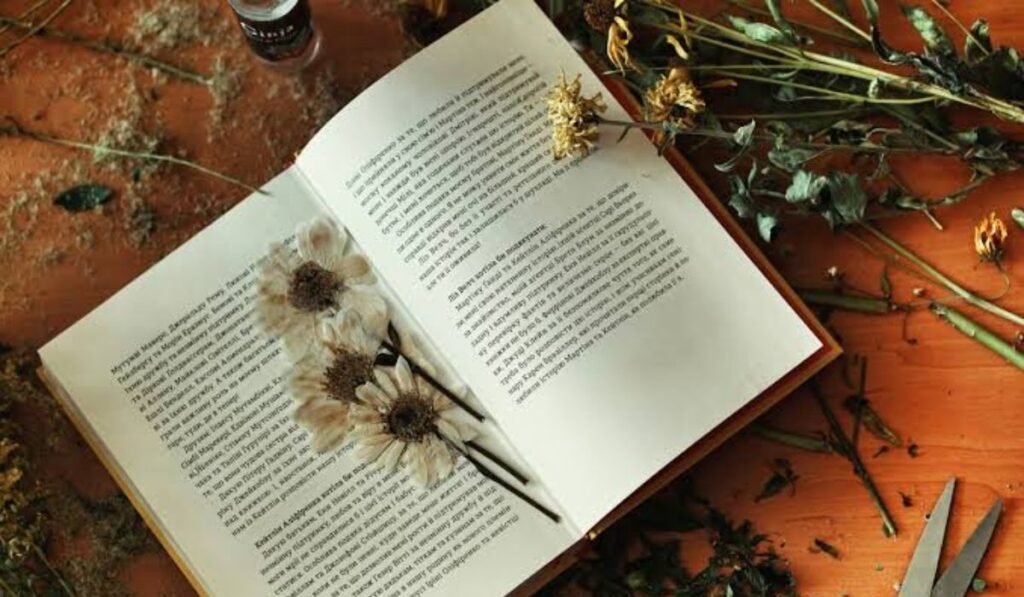

There’s something a little sad about tipping a beautiful bouquet into the green bin. Whether it arrived for a birthday, an anniversary or just because, those flowers often carry a memory you’d rather keep. The good news is you don’t have to let them go. With a few household items and some patience, you can dry or press flowers from most bouquets and turn them into keepsakes that last for years.
The short version: the easiest ways to preserve bouquet flowers at home are air drying, where you hang the stems upside down in a dark, dry spot for about two to three weeks, and pressing, where you flatten the blooms between paper inside a heavy book for about two to four weeks. Start while the flowers are still fresh, not once they’ve wilted, for the best colour and shape. Timings vary with the flower and the weather, so treat them as a guide.
Which Flowers Dry and Press Best?
Not every bloom preserves the same way. As a rule, sturdy flowers with low water content dry well, while flat, thin-petalled flowers press best.
Best for air drying:
- Roses, especially before they open fully
- Lavender
- Hydrangeas
- Statice and strawflowers (everlastings)
- Gypsophila (baby’s breath)
- Eucalyptus and other foliage
- Australian natives such as banksia, waxflower and billy buttons
Best for pressing:
- Pansies and violas
- Daisies and cosmos
- Delphinium and larkspur petals
- Ferns and small leaves
- Single rose petals
Thick, fleshy flowers such as lilies, orchids and tulips hold a lot of water and tend to brown or go mouldy, so they’re best enjoyed fresh.
If you’d like to preserve flowers that suit our climate, Western Australian natives are a great place to start, because many of them dry naturally on the plant. This guide to WA native flowers explains which varieties are in season and what they mean, which is handy if you want blooms that will last well beyond the vase. One caution: picking native plants from bushland is restricted in Western Australia, so stick to flowers from a florist or your own garden.
When Should You Start Preserving a Bouquet?
Timing is everything. Most of us wait until a bouquet starts to droop, but by then the petals have already lost colour and moisture unevenly. For the best results, set aside the stems you want to keep on day two or three, while they’re still fresh and fully coloured. The rest of the arrangement can stay in the vase for you to enjoy.
Before you start, gently pat the stems dry and remove any leaves you don’t want. Damp flowers are the main cause of mould, so it’s worth being fussy about this step.
Method 1: How to Air Dry Flowers
Air drying is the simplest method, and it works well for roses, lavender and natives.
- Strip the lower leaves and gather the stems into small bunches of three to five.
- Tie each bunch with string or a rubber band. Stems shrink as they dry, so a rubber band holds better.
- Hang the bunches upside down in a dark, dry, well-ventilated place, such as a wardrobe or laundry.
- Leave them for two to three weeks, until the petals feel papery.
Keeping them out of sunlight helps hold the colour. In a dry climate like Perth’s, flowers often dry faster than in humid cities, so check them after about ten days. If you see any mould or a damp smell, throw that bunch out rather than hoping it dries off.
Method 2: How to Press Flowers
Pressing gives you flat blooms that are perfect for art and stationery.
- Choose flowers that are naturally flat, or snip larger blooms in half.
- Place them face down on baking paper or blotting paper, leaving space between each one.
- Cover with another sheet, then close them inside a heavy book.
- Stack more books on top and leave for two to four weeks.
Resist the urge to peek too early. Moving the flowers before they’re fully dry can cause creases and tears. And use a book you don’t mind marking, because moisture and plant sap can stain the pages.
5 Easy Projects for Dried and Pressed Flowers
Once your flowers are ready, the fun begins. Here are five simple ideas that suit any skill level.
1. Framed botanical art
Arrange pressed flowers between two panes of glass in a floating frame. It’s an elegant way to keep wedding or anniversary flowers, and it looks lovely as part of a gallery wall.
2. A dried flower posy
Bundle your air-dried stems into a small vase or ceramic jug. Mix textures, such as lavender with eucalyptus and strawflowers, for a relaxed, natural look that can last for months.
3. Handmade cards and gift tags
Glue pressed petals onto good-quality card with a thin layer of PVA or clear craft glue. A card made from someone’s own bouquet makes a thoughtful thank-you.
4. Homemade potpourri
Mix dried rose petals, lavender buds and a few drops of essential oil in a bowl or fabric sachet, then pop sachets into drawers or wardrobes for a soft floral scent. If you have pets, check first, because some essential oils can be harmful to cats and dogs, and keep the potpourri out of reach.
5. Pressed flower bookmarks
Lay pressed flowers on a strip of card and seal them with clear contact or a laminating pouch. They make good gifts for book lovers and take only minutes.
How to Make Dried Flowers Last Longer
Dried flowers can last a year or more with a little care. Keep them out of direct sunlight and away from steam in bathrooms and kitchens, and dust them gently with a hairdryer on the cool setting. A light mist of unscented hairspray can help hold delicate petals in place, but spray in a well-ventilated space and keep it away from flames and heat.
Start With Fresh, Quality Flowers
The fresher your flowers are to begin with, the better they’ll preserve. Bouquets from a local florist are usually picked and arranged closer to delivery, which gives you more time to work with them. Many florists also include care instructions with each bouquet, so ask what the flowers are and how old they are before you decide which ones to keep.
Common Asked Questions
How long do dried flowers last?
With good care, air-dried flowers usually last one to three years, and pressed flowers kept in a frame away from sunlight can last much longer. Colour fades over time, particularly in bright light.
Can you dry flowers in the microwave?
Yes. Microwave drying with silica gel takes just a few minutes and can keep shape and colour well, but it needs a microwave-safe container and close watching, since flowers can scorch quickly. Follow the instructions on the silica gel, and avoid breathing in the dust.
Why did my dried flowers go brown?
Usually because they were too mature, too damp or dried in direct sunlight. Start with fresh blooms and keep them in a dark, dry place.

