
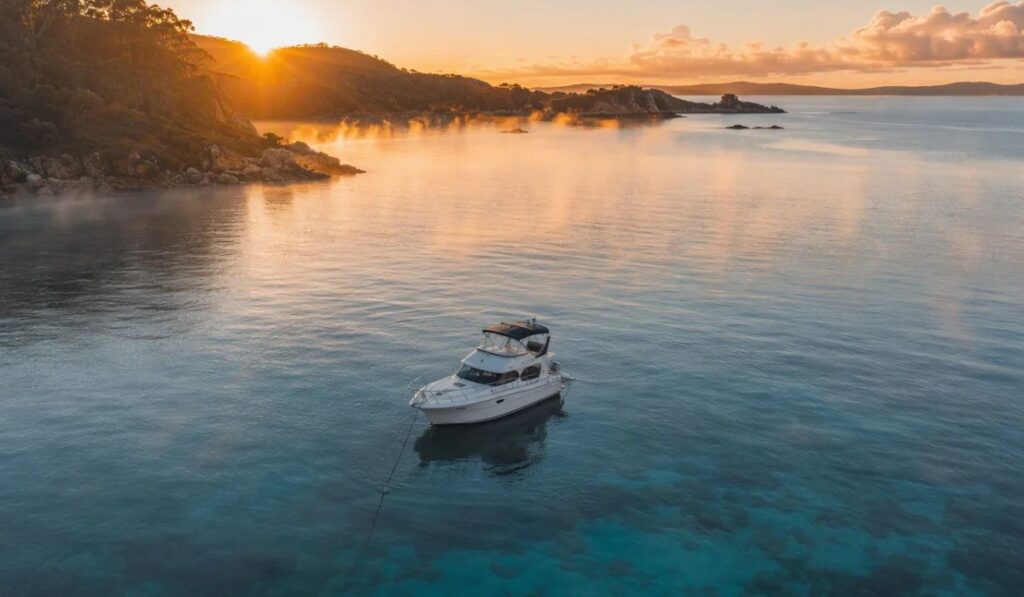

Ask a few experienced boaters about their worst day on the water and a surprising number will describe the same thing: the anchor that didn’t hold. Not a storm or an engine failure, just a boat quietly drifting while everyone was busy with lunch.
It’s an easy mistake to make, because choosing an anchor feels simple. Most people assume the heaviest one wins. In practice, a good match depends on your boat’s size, the seabed beneath it and the way you usually boat. Get those three right and the anchor holds more securely, resets more easily and makes every stop on the water far more relaxing.
Understanding the Importance of Choosing the Right Boat Anchor
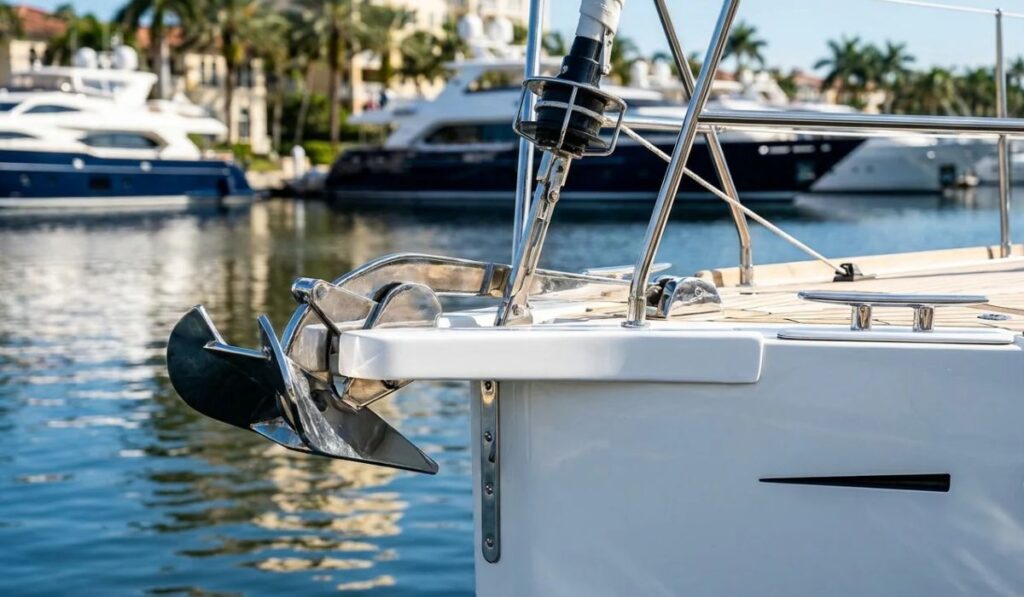
An anchor works best when its holding power suits your boat and the bottom under it. The wrong type can drag, skip or fail to set at all, and that matters even more in heavy weather, when a boat’s position can change fast. Weight helps, but the angle of pull and the design of the anchor matter just as much.
So if you’re looking for a boat anchor, look closely at how the decision affects both comfort and safety, and compare the options against your own boat and waters rather than a single number. A good anchor is one that suits where you actually boat.
Why the Right Anchor Matters for Safety and Comfort
A well-matched anchor keeps the vessel steady, prevents unwanted drift and takes the stress out of stopping to fish, swim or wait out the weather. Design affects how quickly an anchor sets and whether it resets after a wind shift. For recreational boaters, that can be the difference between a calm lunch stop and a hurried recovery.
If you’re new to anchoring, keep it simple. Choose an anchor suited to the seabed, let out enough chain and rope to keep the pull low, and confirm that the anchor has set before you relax. Even in calm conditions, those basics are worth the habit.
How Your Vessel’s Size Influences Anchor Choice
Start with your boat’s size. Smaller boats generally need lighter anchors than larger ones. A commonly quoted starting point is about 1.5 kg of anchor per metre of boat length for offshore use, but treat it as a rough guide only. Manufacturers publish their own sizing charts, and those take into account the boat’s weight, windage and the anchor’s design, so follow the chart for the specific model you’re considering.
A sheltered runabout may need less anchor than the same boat in exposed water. Begin with the length of the boat, then adjust for where and how you anchor, and lean towards more capacity if you’re near a size limit.
Common Types of Boat Anchors for Australian Waters
Australian boaters tend to choose by seabed and by how easily the anchor can be retrieved with their setup. Claw and plough anchors are designed for broad use, while scoop-style shapes suit sand and mud well. You’ll also hear about mushroom, grapnel and fluke anchors. The principle is the same each time: choose a design and weight for your real conditions, not guesswork.
Scoop, Claw and Plough Anchors Explained
In short, scoop-style anchors suit sand, mud and silt, claw anchors hold well in sand and mud, and plough anchors are versatile across mixed seabeds, including some reef. For rocky or snag-prone ground, a reef or grapnel-style anchor is often the better choice.
Design affects how an anchor sets, resets and releases, so choosing the right type for the bottom saves hassle later:
- Scoop-style or claw anchors are a common choice for sand and mud.
- Plough anchors suit mixed ground.
- Reef or grapnel-style anchors are often used for rocky or snag-prone areas.
- Plough designs generally reset well if the boat swings.
Let the bottom type guide the choice before price does. Performance also varies between brands and models, so independent reviews and advice from local boaters are worth reading.
Stainless Steel vs Galvanised Anchors: Which Suits You?
Material affects how an anchor handles salt, impact and wear. Stainless steel offers excellent corrosion resistance and suits frequent saltwater use, though it usually costs more. Galvanised anchors are more affordable and take knocks well, but the coating can wear and the steel underneath can corrode, so they need regular checks for rust and pitting.
The priciest anchor isn’t always the best one. Choose one that fits your usage and your maintenance routine, and remember that heavier anchors grip better but need stronger retrieval gear. Replace or upgrade an anchor if you notice damage, rust or poor holding.
Matching Anchor Types to Different Seabed Conditions
Different anchors perform very differently once they reach the bottom. Sand and mud often let an anchor dig in well, while rock and weed can reduce grip. That’s why there’s no single best anchor for every trip. What works in soft ground may not suit hard bottoms or reef.
Best Anchors for Sandy, Muddy or Rocky Bottoms
For regular use, pick a type that suits the seabed you visit most. Plough and claw anchors are reliable all-rounders, while a mushroom anchor suits calm, temporary stops only.
| Seabed | Commonly used anchor | Notes |
|---|---|---|
| Sand | Scoop, claw or plough | Generally good holding power |
| Mud | Claw or scoop | Sets easily in soft ground, but check it has dug in |
| Rock | Reef or grapnel-style | Better for rocky or snag-prone ground, with a risk of snagging |
This is a general guide, and real seabeds are often mixed. Start with the bottom type, then consider boat size, chain length and exposure before making your final choice.
Practical Examples of Anchoring in Varied Environments
Think about how and where you use your boat. A trailer boat in a shallow estuary faces different conditions to a larger offshore vessel, and a sheltered river is more forgiving than open water.
- Over mixed reef and sand, you’ll want an anchor that can reset if the boat swings.
- In deep water, carry enough rope and chain for the depth plus a margin.
- In exposed areas, step up in weight if your boat is near the recommended size limit.
- For rocky or snag-prone bottoms, consider a reef or grapnel-style anchor, and think about how you’ll retrieve it if it jams.
- If you visit varied locations, a versatile anchor is usually a better choice than a specialised one.
Sizing Your Boat Anchor Correctly
Sizing starts with the length of the vessel, but that’s not the whole story. You also need to match anchor weight to sea state, bottom type and the design you plan to use. The 1.5 kg per metre figure gives you a starting point, and the anchor type and local conditions refine it.
Step-by-Step Guide to Calculating Anchor Size Based on Vessel Length
Start with the boat’s length and work from there, so you avoid gear that’s too light or too cumbersome:
- Measure your boat in metres, converting from feet if needed.
- Allow roughly 1.5 kg of anchor per metre as a starting point for offshore anchoring.
- Consider whether you anchor in sheltered or exposed water.
- Add enough chain and rope to keep the pull steady and low.
- Choose an anchor that suits your seabed, not only your boat’s size.
- Check the manufacturer’s sizing chart for the specific model.
If you’re unsure, size up for tougher conditions rather than down. A 20-foot fibreglass boat is about 6 metres long, which works out to roughly 9 kg by the rule of thumb, but the right figure depends on the boat’s weight, the anchor design and where you use it.
Why Your Anchor Setup Matters
The anchor is only one part of the system. Chain, rope, shackles and any winch all help it work as intended, and if one part is wrong the whole setup suffers. Anchor weight, anchor type and winch choice should work together.
Check shackles and connections regularly, make sure the rope is in good condition, and confirm the anchor is secured to the boat, because an anchor that’s lost overboard on a bad day helps no one. Also check that your anchor and rode meet any safety equipment requirements set by the marine authority in your state or territory, since these vary by location and by the type of boating you do.
Key Features to Look for When Buying a Boat Anchor
When you buy, focus on how the anchor performs, not on how it looks. Durability, corrosion resistance, holding power and setting performance matter more than marketing terms. A strong anchor with the wrong setup can still disappoint.
- Choose a type that suits the seabed you usually anchor on.
- Match the weight to your boat length and boating conditions.
- Pick a material that suits your saltwater exposure and maintenance routine.
- Check compatibility with your chain, rope and winch.
- Look for an anchor that sets quickly and resets well if the boat swings.
Compare more than one supplier, ask for sizing guidance for your boat, and check warranty and return terms before you buy.
Frequently Asked Questions
What anchor size and type is best for a 20-foot fibreglass boat in Australia?
A 20-foot boat is about 6 metres, which by the 1.5 kg per metre rule of thumb is roughly 9 kg of anchor for offshore use. The best type depends on where you boat most, and plough, claw and scoop-style designs are common starting points. Check the manufacturer’s sizing chart for your boat’s weight and conditions.
Can I use the same anchor in both saltwater and freshwater conditions?
Yes, the same anchor type can work in both. Corrosion resistance matters more in saltwater, where stainless steel or a well-maintained coated anchor will usually cope better. Anchor weight and a good match to the bottom matter in either environment.
Where can I buy reliable boat anchors and accessories online in Australia?
Look for specialist online stores that give clear sizing guidance, seabed advice and setup support, and compare a few before buying. Check that the anchor suits your boat and, if you use one, your winch, and read the warranty and returns terms first.
Anchoring With Confidence
The right anchor suits your boat, your seabed and the way you boat. Match the type to the bottom, size it with the manufacturer’s guidance, build a matching chain and rope setup, and check it has set before you relax. None of it is complicated, and it’s far easier to get right on a calm day at the ramp than on a bad one on the water. For specific advice about your vessel, speak with a marine professional or your local boating authority.


