

There is a category of household problem that announces itself quietly long before it becomes serious. A rattle that was not there last month. A faint warm smell near the laundry. A dryer that suddenly needs two cycles to do the work of one. Most people file these under minor annoyances and move on, because the appliance still technically works.
The data suggests that is a mistake worth reconsidering. According to the U.S. Fire Administration, failure to clean was behind roughly 31 percent of home clothes dryer fires between 2018 and 2020 — not faulty wiring, not manufacturing defects, but the simple absence of routine care. Which is why appliance maintenance is not really a chore conversation. It is a safety conversation that happens to look like a chore.
The Critical Role of Household Appliance Maintenance in Preventing Hazards
Appliances earn their place by disappearing into the background of daily life, and that is precisely what makes them easy to neglect. Left alone long enough, the same machines that make a household run introduce fire risk, water damage, carbon monoxide concerns, and electrical hazards.
The encouraging part is that appliances rarely fail without warning. Almost every serious problem starts as a small one — a sound, a smell, a change in performance — and the gap between the two is where maintenance does its work.
Salt Lake City Homes and Seasonal Appliance Strain
Some climates are gentler on appliances than others, and Salt Lake City is not one of the gentle ones. Dry air, hard winters, dusty summers, and the particular laundry burden of a household that skis, hikes, and plays school sport means machines here work harder than the same machines would somewhere milder.
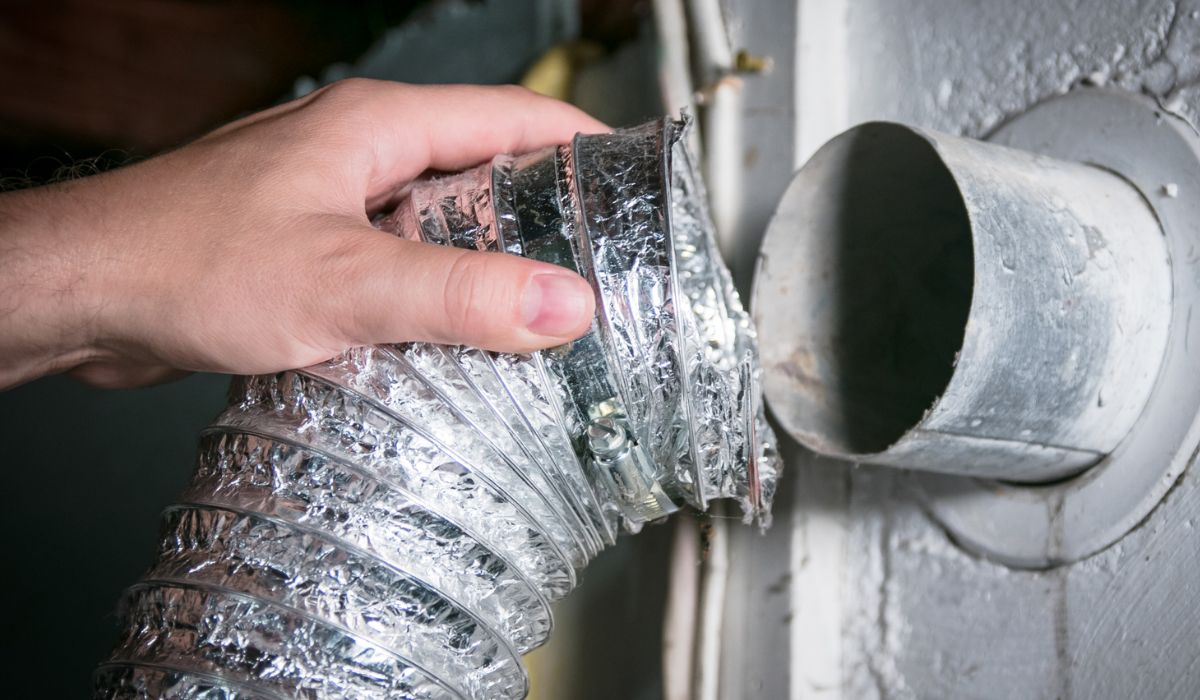
Over time, vents, filters, hoses, and coils collect lint, dust, and debris, and airflow quietly deteriorates. A dryer with restricted airflow does not stop working — it works harder, runs hotter, and takes longer, which is the exact set of conditions that turns lint from a nuisance into a fire risk. That is the point at which dryer vent cleaning salt lake city stops being a convenience and becomes a genuine safety measure, particularly for homes where the vent run is long or exits through the roof.
Why Routine Care Lowers Risk
Good household appliance maintenance is mostly a matter of catching things early. Loose hoses, worn cords, weak seals, clogged vents, and unfamiliar noises are all inexpensive to address when they are noticed and considerably less so when they are not. There is also a quieter financial benefit — an appliance that is not straining against a blocked filter or a dirty coil simply costs less to run.
Regular servicing is not about being anxious. It is about staying ahead of failures that are, in most cases, entirely preventable. Once the reasoning is clear, the next question is where to look.
Essential Appliance Maintenance Tips for a Safer Home
The maintenance habits worth having are the ones simple enough to actually repeat. Nobody needs to become a technician. What helps is knowing which warning signs deserve attention and which parts of the house tend to hide them.
Kitchen Appliances: Fire and Electrical Checks
The kitchen is the natural starting point because it concentrates heat, grease, and electricity in one room. Refrigerator coils need occasional cleaning so the unit can shed heat properly. Outlets should feel secure — anything loose, warm, or discoloured is telling you something. On ovens and stovetops, grease is the main concern: wipe surfaces regularly, respond immediately to any gas odour, and confirm the anti-tip brackets are actually installed rather than assumed to be.
Dishwashers reward the same modest attention. Clean the filter, look at the door seal, and check the surrounding floor for moisture. A slow leak found early is a rag and a washer. Found late, it is cabinetry, flooring, and sometimes the electrical work underneath.
Laundry Room Safety: Fire and Water Damage
Laundry rooms are easy to ignore for the same reason dryers catch fire — the routine is automatic. Clothes in, button pressed, attention elsewhere. But lint accumulation and ageing washer hoses are two of the more predictable sources of household damage.
Clean the lint screen after every load, without exception. Wipe inside the drum when it needs it. Inspect washer hoses for cracks, bulges, rust, or soft spots — a burst hose runs at full mains pressure and does not wait for anyone to be home. If the dryer feels unusually hot or loads take noticeably longer to dry, the obstruction is likely deeper in the vent line than the lint trap can account for.
For those harder-to-reach blockages, a professional clean of the full vent path is the honest solution, because the trap is only the first metre of a run that can be many metres long. A leak sensor behind the washer is a small, inexpensive addition that has saved a great many floors.
Climate Control and Small Appliances
Heating and cooling systems affect more than comfort. A dirty filter restricts airflow, a clogged condensation line causes water damage in slow motion, and a neglected furnace raises carbon monoxide concerns that no amount of comfort justifies.
Change filters on schedule rather than on memory. Keep condensation lines clear. Pair furnace maintenance with carbon monoxide alarms that have been tested recently enough to trust. And with small appliances, look at the cord, plug, and switch before use — a frayed toaster cord is a small object capable of a disproportionate amount of trouble.
Best Practices for Improving Home Safety Through Regular Appliance Servicing
Occasional checks help. Consistency is what actually changes outcomes. A simple servicing rhythm keeps small issues from compounding quietly in the background.
Set a Service Rhythm
Every appliance has its own requirements, and the owner’s manual — dull as it is — remains the most reliable guide for refrigerators, ovens, dryers, washers, HVAC systems, and anything connected to water.
The line between DIY and professional work is worth respecting. Gas lines, electrical work, and deep vent access belong to people trained for them. Dryer vents in particular justify professional attention, because lint collects inside walls, along long vent runs, and at roof exits — places a homeowner cannot safely reach and should not try to.
Keep a Simple Maintenance Log
A phone note, a calendar reminder, a spreadsheet — the format matters far less than the habit. Track filter changes, hose inspections, service dates, odd sounds, and repairs. It feels tedious in the moment and turns out to be quietly valuable later, when a pattern emerges or a warranty question arises.
Smart monitoring is moving in the same direction. One recent study of connected home systems recorded energy savings of up to 30% across a year of real-world deployment — a reminder that the same attention that makes a home safer tends to make it cheaper to run.
Vet Service Providers Carefully
Choose licensed, insured technicians who can explain their process without being pressed. Ask what they inspect, how the work is priced, and what safety concerns they look for as standard.
The warning signs are consistent across trades: pressure to decide immediately, vagueness about the job, reluctance to answer direct questions. A good provider leaves you feeling informed. A poor one leaves you feeling cornered, and that feeling is worth trusting.
Key Strategies for Longer Appliance Life and Safer Daily Use
Servicing matters, but so does the ordinary daily handling in between. How appliances are loaded, cleaned, positioned, and powered affects both how safe they are and how long they last.
Daily Usage Habits That Matter
Do not overload outlets, power strips, washers, dryers, or extension cords — overloading is one of the most common and most avoidable hazards in any home. Keep appliances away from water unless they were built for damp conditions. Give refrigerators and dryers room to breathe, because blocked airflow shortens lifespan and raises operating temperature at the same time.
Before a long trip, unplug the small appliances and consider closing the washer water valves. With gas appliances, follow the manufacturer’s safety steps precisely, and treat any gas smell as a reason to call a professional rather than a mystery to solve personally.
Custom Safety Comparison Table
| Appliance Area | Common Risk | Safer Habit |
|---|---|---|
| Kitchen | Grease, heat, loose plugs | Clean often and check cords |
| Laundry | Lint, leaks, blocked airflow | Clean lint and inspect hoses |
| HVAC | Dirty filters, CO risk | Replace filters and test alarms |
| Small appliances | Frayed cords, sparks | Store dry and use surge protection |
These habits do the unglamorous daily work of home appliance safety. What remains is knowing the signals that mean an appliance should be switched off rather than tolerated.
Signs of Appliance Risks and New Safety Tools
Once you know what normal looks, sounds, and smells like in your own home, the abnormal becomes much easier to catch. Unexpected heat, burning odours, buzzing, leaks, sluggish performance, or a breaker that keeps tripping are not quirks. They are information.
When to Call a Professional
Slow drying, lint gathering around vents, unusual warmth in the laundry room, or a dryer that seems to run indefinitely are the classic signs of a blocked vent line — and they tend to appear together. For Salt Lake City homeowners noticing that pattern, a professional vent clean is the appropriate next step rather than another attempt at the lint trap, because the buildup causing those symptoms sits well beyond it.
Practical Safety Upgrades
Smart plugs, Wi-Fi leak sensors, fault alerts, and reminder apps all serve the same purpose: earlier warning. None of them replaces maintenance, but they buy time, and time is usually the difference between an inconvenience and a claim.
Use non-toxic cleaners where appropriate, washable filters where available, and replacement parts made for your exact model. Shortcuts in this area have a habit of creating the very risks they were meant to avoid.
A Checklist Worth Keeping on the Fridge
Good intentions need somewhere to live, and a visible checklist is the simplest place. On the fridge, in a shared app, near the utility area — wherever the household will actually see it.
Monthly Home Checklist
Check visible cords, test smoke and carbon monoxide alarms, clean dryer lint screens, wipe appliance vents, and look for moisture under sinks and washers. Anything that smells burnt, feels hot, or sounds wrong earns an immediate stop, not a mental note.
Seasonal Service Reminder
Clean refrigerator coils, replace HVAC filters, inspect washer hoses, test GFCI outlets, and review the service record. Set reminders rather than trusting memory, and adjust the plan as appliances age, because their needs change even when their appearance does not.
Good maintenance protects three things at once — comfort, budget, and the people under the roof. Start with the appliance the household uses most and build outward from there. A safer home rarely begins with a renovation. It usually begins with one unhurried check, made before trouble has a reason to start.
Common Questions About Appliance Safety
Can skipping routine checks really lead to house fires?
Yes. Lint buildup, grease, damaged cords, and overloaded outlets are all established fire hazards. Routine checks do not eliminate every risk, but they remove the most common and most preventable ones.
Is it safe to DIY dryer vent cleaning?
The lint trap and any short, reachable section of vent are reasonable to handle yourself. Long runs, roof exits, poor airflow, or heavy buildup call for professional cleaning — partly for safety, and partly because a partial clean gives false reassurance.
Do smart home upgrades really improve safety?
They can. Leak sensors, smart plugs, and maintenance reminders catch early warning signs that busy households miss. They work best as a supplement to cleaning, inspection, and professional servicing — not as a replacement for any of them.