

A backyard rarely disappoints because of the plants. It disappoints because nobody decided what the space was actually for before the first delivery turned up. Someone buys a lemon tree, someone else orders a fire pit, and two years later there’s a patch of struggling turf, a shed nobody opens, and a corner that never quite gets used.
The gardens that work have their boring decisions made early. Where do people sit, where does water go, what needs hiding, and what has to be maintained every single month. Sort those and the pretty parts fall into place almost by themselves.
Start With How the Space Actually Gets Used
Before committing to anything, watch your own household for a couple of weeks. Where does everyone drift when friends come over? Which corner catches the western sun so hard that nobody sits there past two in the afternoon? Where do the kids and the dog actually run?
Write down the five things that irritate you most about the yard as it stands. Mine used to be a washing line stranded in the middle of the only flat patch of ground. That list is a far better brief than a folder of saved photos, and you can hand it to a landscaper, a builder, or a designer and have all three understand the same thing.
Hard Surfaces Decide the Layout, So Get Them Right First
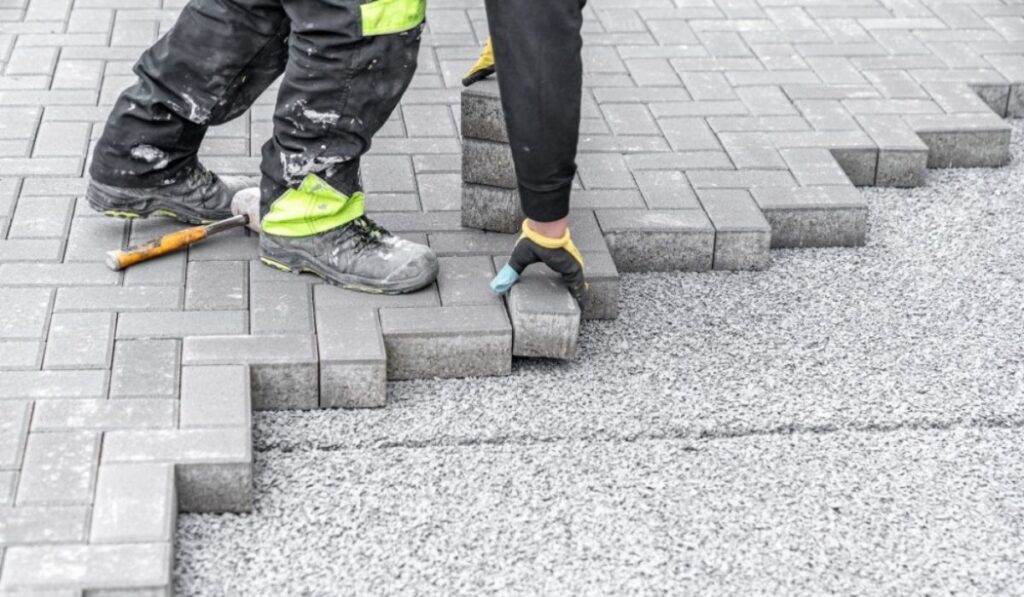
Every usable outdoor space needs somewhere firm and level to stand. That’s what actually determines where the table goes, whether the barbecue’s reachable in winter, and how much lawn you’re left maintaining. Get the hard surfaces right and the planting becomes decoration rather than damage control.
Local conditions matter more here than most people expect. The kind of paving solution Sydney gardens need has to cope with reactive clay that swells after heavy rain and shrinks in a dry February, sudden downpours that dump a month of water in an afternoon, and a lot of harsh western sun. That combination is unkind to a slab laid on a poorly compacted base, and it’s why so many older courtyards develop that familiar dip near the back door.
Choose the material for how it behaves underfoot, not only how it photographs. Sandstone stays comfortable barefoot and suits older Sydney homes, though it wants sealing. Concrete pavers are cheaper and consistent. Travertine looks superb and gets slippery when wet. Whatever you pick, ask about the base preparation and the fall, because the water has to go somewhere and it won’t be persuaded otherwise.
Green Screening Does the Job a Fence Cannot
Fences mark a boundary. Hedges soften it, and they do things a paling fence never will. They absorb road noise, filter dust, cut the glare off a neighbouring wall, and give a small yard a sense of depth that a hard line simply flattens.
Choose for the height you can genuinely commit to. Lilly pilly is the default screening plant across Sydney for good reason, though some varieties are prone to psyllid and end up looking bumpy. Murraya carries a heavy scent in spring that people either love or find overwhelming. Viburnum is forgiving. Whatever you plant, the plant tag height is a promise about the plant, not about your garden bed.
The part people underestimate is upkeep. Two or three rounds of hedge trimming or shaping a year is what keeps a screen dense right down to the base instead of going leggy and thin at the bottom, and formative cuts in the first couple of years matter far more than anything you do later. A hedge left alone for three seasons doesn’t simply grow taller. It hollows out, and getting that density back takes years.
Sydney Soil, and Where the Water Actually Goes
Much of Sydney sits on clay, and clay is the reason a lot of gardens quietly fail. It holds water long after rain, then sets hard enough to resist a fork by the end of summer. Roots struggle either way.
Two things help more than anything else you can buy. Gypsum and organic matter over a couple of seasons will genuinely change how a clay bed behaves, and raised beds sidestep the problem entirely where you want vegetables or anything fussy. On the drainage side, watch what happens during the next real downpour and see where the water pools. That single observation is worth more than any amount of guessing.
Get this sorted before laying anything permanent. Fixing drainage after the paving’s down means lifting the paving.
Lighting and Furniture Are the Finishing Twenty Per Cent
Outdoor lighting is the cheapest transformation available and almost always the last thing anyone thinks about. A few warm uplights into a tree canopy will do more for how the yard feels at night than another round of planting, and it doubles the hours you actually use the space.
Buy furniture for the weather you have rather than the weather in the catalogue. Powder-coated aluminium and treated hardwood survive a Sydney summer. Cheap rattan doesn’t, and you’ll be replacing it inside two years. Measure the space first, because outdoor furniture almost always looks smaller in a showroom than it does once it’s sitting in a courtyard.
Build a Maintenance Rhythm You Will Actually Keep
Be honest about how much time you’ll spend out there. A garden designed for four hours a week that only ever gets one will look worse than a simpler garden matched to what you can genuinely give it.
A workable rhythm for most Sydney backyards looks roughly like this. Weekly, a quick tidy and a check on anything in pots, since pots dry out fastest and die first. Monthly, edges, weeds, and a proper look at what’s struggling. Seasonally, the bigger jobs: pruning, mulching, feeding, and topping up whatever’s broken down over the past few months. Mulch is the closest thing to a free win, because it holds moisture, suppresses weeds, and steadily feeds the soil while it breaks down.
If a job needs doing three times a year and you’ve never once done it, that’s worth knowing before you design a garden that depends on it.
Start With the Bones
Work out how you use the space, sort the surfaces and the drainage, plant the screening you have time to maintain, then spend what’s left on the things that make it feel finished. Gardens built in that order tend to still look good in five years. Gardens built from the mood board backwards usually need doing again.

