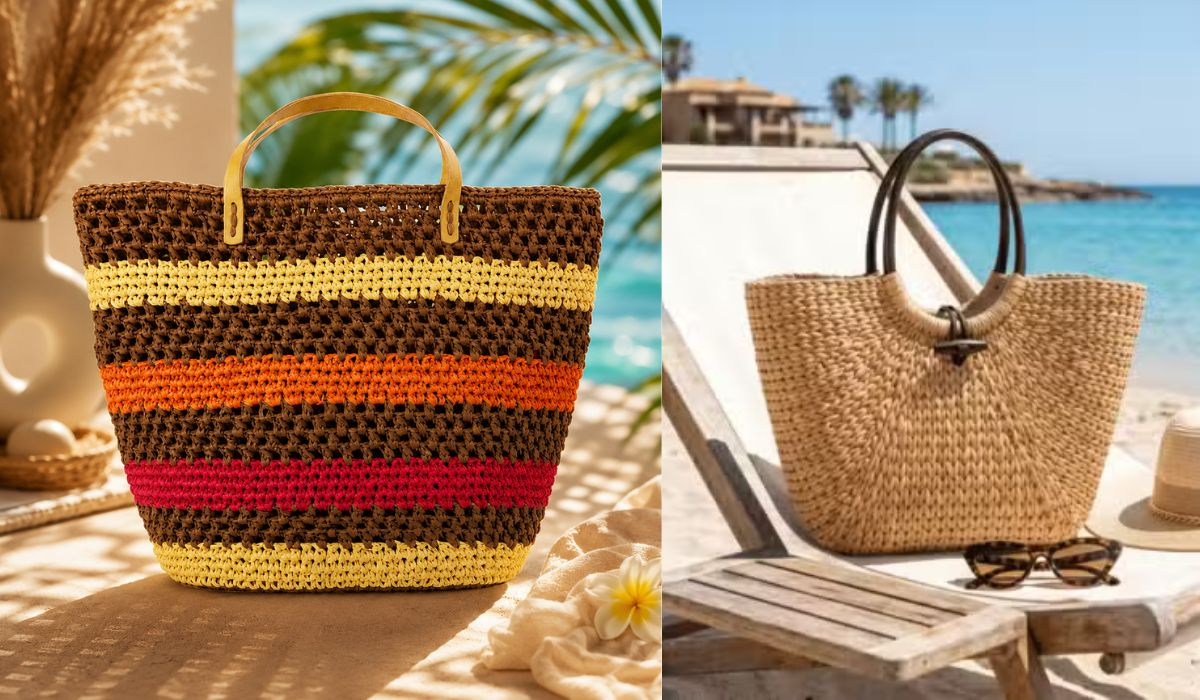
I picked up a woven bag at a market stall a few months ago, turned it over in my hands, and noticed something I had not thought about in years. It was not perfect. The weave was slightly uneven in places. And that imperfection was exactly why it felt like something rather than nothing.
That moment captures something that has been building across the fashion industry all year. Not a single dramatic trend, but a slow correction — away from synthetic perfection and back toward materials that feel honest, shapes that allow the body to move, and a renewed respect for the hands that actually make the things we wear.
The Rise of Natural and Sustainable Materials
Synthetic fabrics took over for understandable reasons. They were cheap, consistent, and easy to mass-produce. But consistency has a cost, and a growing number of designers and shoppers are deciding that cost is no longer worth it.
One of the more interesting spaces here are raffia fashion trends, which have moved well past being a passing summer accessory. Raffia comes from palm leaves, has a texture no synthetic alternative quite manages to fake, and has turned up everywhere this year — bags, shoes, hats, even tailored outerwear. What makes it interesting is not just the look. It is the slight irregularity in every piece, the sense that a person actually made the thing you are holding rather than a machine running the same pattern a thousand times over.
Linen, organic cotton, hemp, and bamboo have followed a similar path. None of these fabrics are new. What has shifted is how seriously brands are taking the supply chains behind them. A label claiming sustainability now has to be able to back it up, and more of them actually can.
Fluid Silhouettes and Relaxed Tailoring
For years, fashion rewarded structure. Sharp shoulders, fitted waists, clothes that held their shape whether or not you were moving in them. That has loosened considerably. Wide-leg trousers, oversized blazers, dresses that drape rather than cling — the emphasis has shifted toward letting fabric do what it naturally wants to do.
Tailoring underneath has changed too. Unlined jackets, looser construction, proportions that ignore the old rules about where a waistline should sit. Gender-neutral cuts, once a niche statement, have become genuinely mainstream. The clothes that have come out of this shift feel less like a costume you put on for the day and more like something you can actually live inside.
Rich Earth Tones and Nature-Inspired Palettes
Colour has followed the same instinct. Terracotta, sandy beige, deep forest green, burnt orange, chocolate brown — these tones feel pulled from soil and bark rather than mixed under fluorescent lights in a lab. They sit naturally against the raw textures of raffia and linen, which is no accident. The two trends reinforce each other.
Quieter alternatives have their place too. Dusty mauve, faded olive, soft indigo — colours for people who want the same grounded feeling without quite as much warmth. Bold, saturated colour has not vanished from the conversation, but it shows up more selectively now, in a single bag or a pair of shoes rather than an entire outfit. The mood across the board is considered. Nothing feels accidental.
Artisanal Details and Handcrafted Aesthetics
There is something genuinely satisfying about seeing a visible human hand in a finished garment. Embroidery, crochet, macrame, hand-dyeing, weaving — these techniques have moved well beyond the luxury end of the market this year and into collections at almost every price point.
It is changing how people shop as much as what they buy. Vintage and secondhand markets have grown steadily, and mending or upcycling an old piece has gone from a slightly embarrassing admission to something people mention with a bit of pride. Brands that are honest about who made a piece and how tend to build a kind of trust that mass production has never been able to replicate, no matter how good the marketing.
Statement Accessories and Elevated Basics
Accessories have carried real weight this year — sometimes more than the outfit they are paired with. Sculptural bags, bold woven textures, materials that feel slightly unexpected. Footwear has leaned toward chunky sandals, strappy flats, and platform loafers, mostly in natural leathers or alternatives that can genuinely back up a sustainability claim.
Jewellery has gone oversized and architectural — large hoops, layered necklaces, chunky bangles with real presence. Alongside the statement pieces, the idea of the elevated basic has quietly taken hold. A properly cut white shirt. Trousers in the right proportion. A simple knit made from good yarn. These are the things people are spending more on now, because they expect to wear them for years rather than one season.
The underlying logic is not complicated. Buy fewer things. Buy better things. Let them last.
What This Year Is Really About
None of these trends exist in isolation. What ties them together is a shift in how people are thinking about what they wear — where it came from, who made it, whether it will still be useful in three years.
The pieces that have defined 2026 are rarely the loudest ones in the room. They tend to be the ones made with some care, from materials that mean something, worn by people who chose carefully rather than quickly. That is a small shift in the bigger picture of fashion history, but it is a real one.