
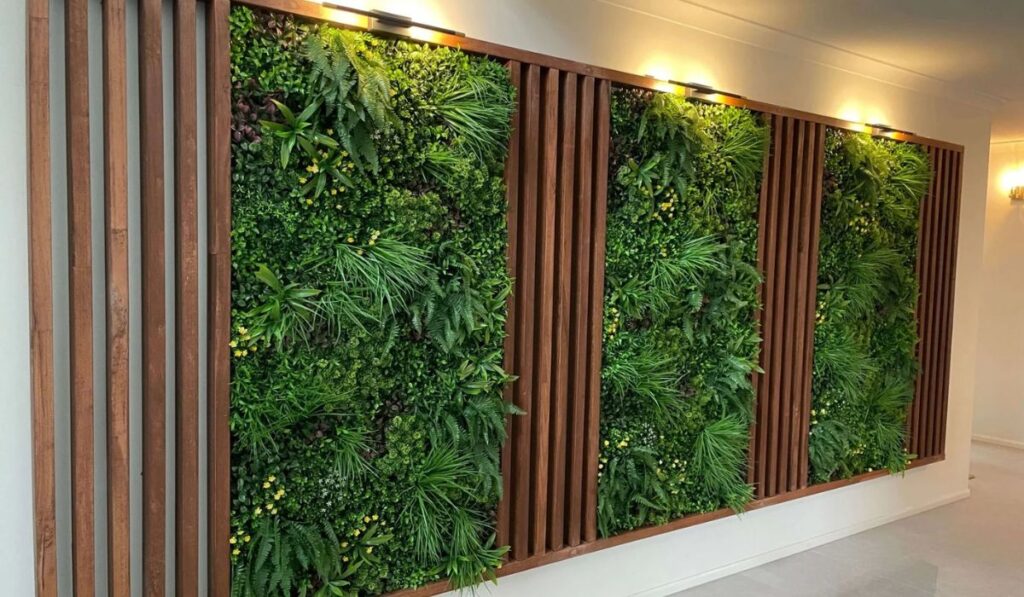

Not every wall is a clean rectangle waiting for a panel to be screwed on. There’s a window cutting through the middle, a column nobody wants to work around, a curve in the plaster that refuses to sit flat against anything standard. Greenery-inspired design has become a familiar choice in homes and commercial spaces alike, and while a standard green wall panel suits plenty of them, some walls simply ask for more thought than a one-size-fits-all solution can give.
This is where a Custom Artificial Vertical Garden earns its place. Built to fit a specific wall and a specific set of goals, a custom installation lets homeowners, businesses, and designers create something that actually belongs where it’s going, without giving up the convenience that makes artificial greenery appealing in the first place.
What Is a Custom Artificial Vertical Garden?
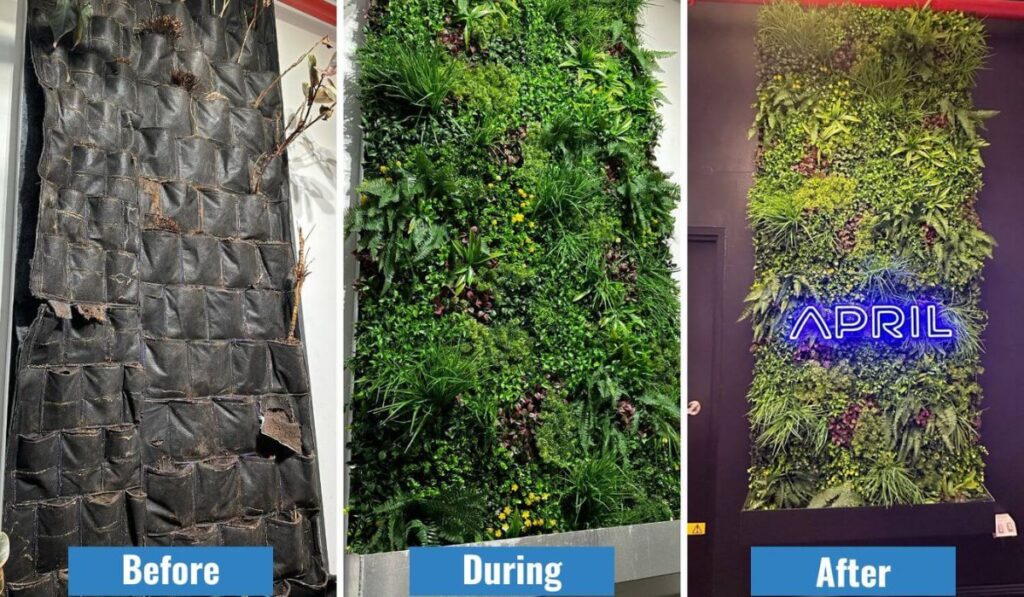
A custom vertical garden is a greenery installation designed specifically for a particular wall, surface, or architectural feature, rather than pulled off a shelf and trimmed to roughly fit. Unlike a standard pre-made panel, it can be shaped around:
- Specific wall dimensions
- Unique layouts
- Architectural elements
- Branding requirements
- Interior design themes
- Outdoor environments
The result tends to feel less like something added on and more like something that was always meant to be there.
Why Customisation Matters
No two properties are quite the same. Walls often come with:
- Windows
- Doors
- Columns
- Curved surfaces
- Sloping areas
- Built-in features
Standard panels weren’t really designed to handle any of that gracefully. A custom installation lets a designer work with these features rather than around them, which tends to make the difference between greenery that looks added as an afterthought and greenery that looks considered.
Creating a Perfect Fit for Any Space
Large Feature Walls
A big blank wall can feel more empty than elegant, which is where a custom green wall tends to do its best work. It can help by:
- Creating visual interest
- Adding colour and texture
- Enhancing architectural balance
- Establishing a striking focal point
Whether it’s a residential living room or a commercial reception area, the effect tends to be the same, a space that suddenly feels finished.
Small and Narrow Spaces
Even a modest stretch of wall can benefit from the right greenery, scaled properly. Custom installations suit:
- Hallways
- Apartment balconies
- Narrow courtyards
- Entry alcoves
- Small office spaces
By tailoring the design to the available area, there’s room to enjoy greenery without it overwhelming the space.
Enhancing Residential Interiors
Living Rooms
A custom vertical garden can shift the whole feel of a living room toward something a bit more considered. Popular applications include:
- Feature walls behind sofas
- TV wall surrounds
- Fireplace backdrops
- Open-plan living areas
The greenery brings warmth and texture that a flat wall rarely manages on its own.
Home Offices
Home offices have become a common spot for this too, now that so many people are working from somewhere other than an office building. A green wall behind a desk can:
- Improve visual appeal
- Create a professional video call backdrop
- Add character to the room
- Enhance the overall atmosphere
Entryways
First impressions begin at the front door. A well-placed vertical garden in a hallway or entry sets the tone for the rest of the house before anyone’s even had a chance to look around properly.
Transforming Commercial Spaces
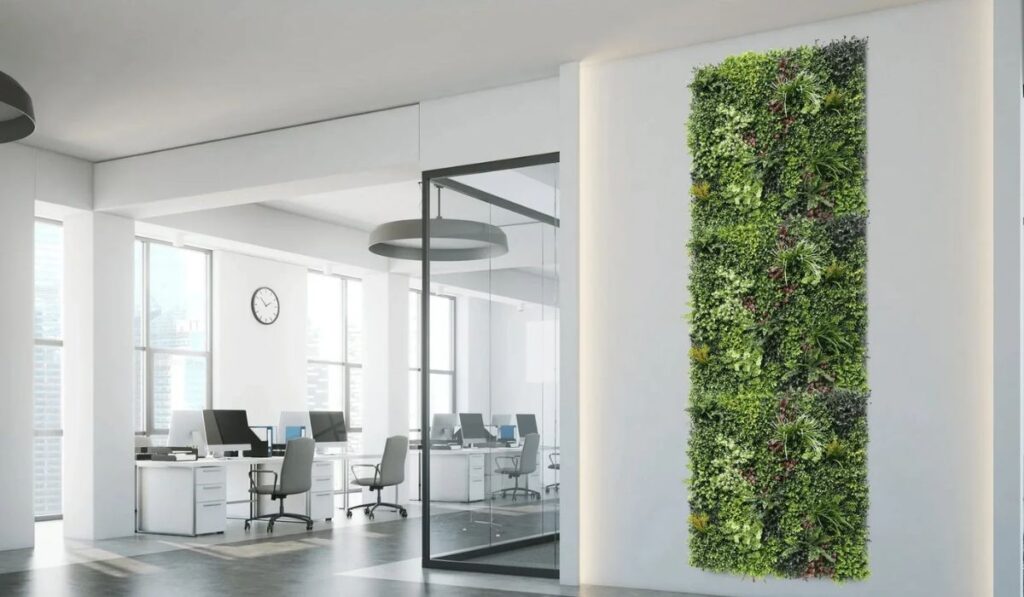
Corporate Offices
Businesses use custom green walls to create:
- Reception features
- Boardroom backdrops
- Breakout space enhancements
- Branded installations
These installations often help reinforce company identity while improving workplace presentation.
Hospitality Venues
Hotels, restaurants, and cafés frequently incorporate custom vertical gardens into their design strategy. Benefits include:
- Enhanced ambience
- Instagram-worthy interiors
- Strong visual branding
- Improved guest experiences
Retail Environments
Retail stores use custom green walls to:
- Create feature displays
- Highlight products
- Strengthen branding
- Improve customer engagement
A well-designed green wall can become a memorable part of the customer experience.
Incorporating Branding Elements
Company Logos
Businesses can incorporate:
- Logos
- Brand colours
- Taglines
- Signage
into the vertical garden to create a unique and professional display.
Feature Lighting
Custom lighting can be included to:
- Highlight branding
- Create mood and atmosphere
- Add depth and dimension
- Enhance visibility
This creates a striking focal point that serves both decorative and marketing purposes.
Designing Around Architectural Features
Not every wall is a simple rectangle, and a custom installation treats that as an opportunity rather than an obstacle.
- Windows: greenery can frame a window while maintaining natural light and visibility.
- Doors: vertical gardens can be integrated around entryways to create seamless design continuity.
- Columns and pillars: structural elements can become part of the overall design rather than obstacles to work around.
- Curved walls: custom layouts can follow architectural contours to achieve a cohesive and professional finish.
Choosing the Right Foliage Mix
The foliage itself shapes the final look more than people often expect.
- Contemporary designs often feature clean foliage lines, structured greenery, and minimalist compositions.
- Natural-inspired designs may include mixed foliage varieties, layered textures, diverse leaf shapes, and organic arrangements.
- Tropical themes often incorporate monstera leaves, ferns, tropical foliage, and dense greenery coverage.
The foliage selection significantly influences the final appearance of the installation.
Ideal for Indoor and Outdoor Spaces
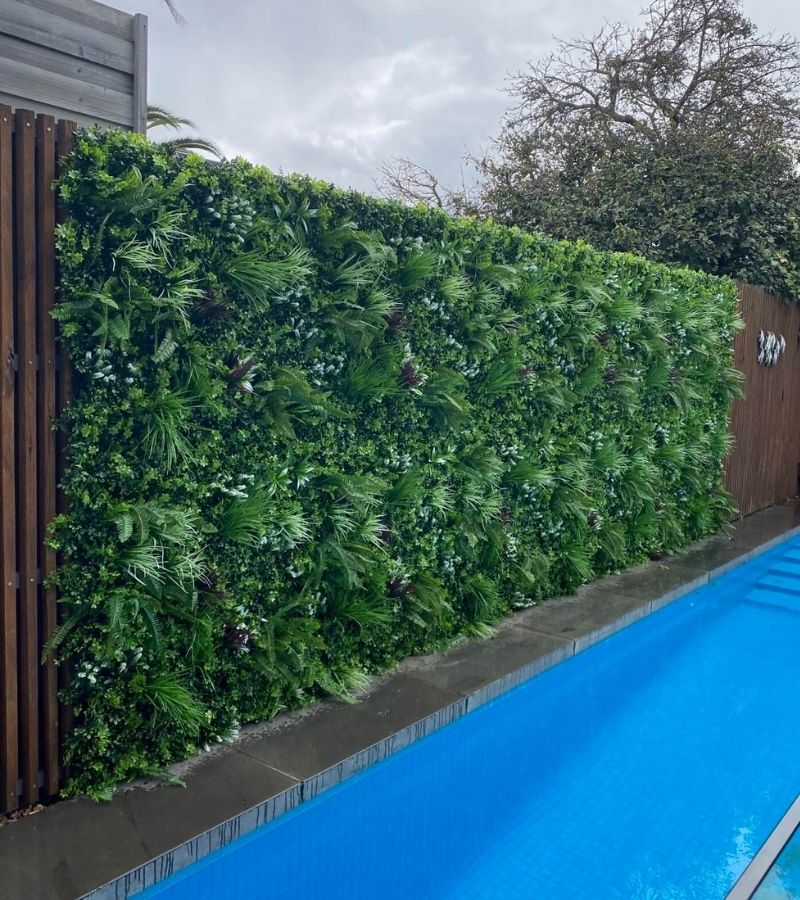
Indoor applications include living rooms, offices, retail stores, restaurants, hotels, and healthcare facilities.
Outdoor applications are equally effective in courtyards, alfresco dining areas, balcony walls, rooftop venues, pool surrounds, and commercial facades.
Their versatility makes them suitable for a wide range of environments.
The Low-Maintenance Advantage
One of the primary reasons clients choose artificial vertical gardens is convenience. Unlike living walls, they require:
- No watering
- No fertilising
- No pruning
- No irrigation systems
- No specialist plant care
This provides all the visual benefits of greenery without ongoing maintenance responsibilities.
Long-Term Value
Custom artificial vertical gardens provide excellent long-term value because they:
- Maintain a consistent appearance
- Reduce maintenance costs
- Eliminate plant replacement expenses
- Increase visual appeal
- Create lasting design impact
For both residential and commercial projects, they offer an attractive and practical solution.
Tips for Planning a Custom Vertical Garden
Consider the Purpose
Determine whether the wall is intended to:
- Create a feature
- Improve branding
- Add privacy
- Enhance ambience
That answer tends to shape everything else that follows.
Match Existing Décor
The greenery should complement:
- Furniture
- Colour schemes
- Architectural finishes
- Overall design style
rather than treating the wall as a project separate from the room it sits in.
Prioritise Quality
Look for:
- Natural colour variation
- Dense foliage
- Realistic textures
- Durable materials
High-quality installations deliver a more authentic and professional appearance.
A Wall Worth Designing For
A custom vertical garden is really a tailored design solution rather than just a decorative add-on, one capable of turning an awkward or unusual wall into a genuine feature of the space. Whether it’s built around an architectural quirk, integrated with branding, or designed simply as a statement piece, the result tends to offer the flexibility and year-round appeal that a standard panel was never quite able to match.
