


Key Highlights
- A certified occupational hygienist is crucial for identifying and managing health hazards in your work environment.
- The occupational hygiene risk assessment process involves identifying, measuring, and controlling workplace exposures.
- Engaging a certified professional ensures your business complies with regulatory standards and protects worker health.
- Certification from bodies like the Australian Institute of Occupational Hygienists guarantees expertise and quality.
- Effective occupational hygiene can lead to significant cost savings by preventing long-term illnesses and injuries.
- These specialists provide practical solutions to control a wide range of health hazards, from dust to noise.
Introduction
Most workplace hazards do not announce themselves. They build quietly — in the air, in the noise levels, in the materials people handle every day — until the cumulative effect on health becomes impossible to ignore. By that point, the damage is often already done.
Occupational hygiene is the discipline that addresses this gap. It is not about responding to incidents after they occur. It is about identifying what could go wrong before it does, measuring it accurately, and putting controls in place that genuinely work. For any business where people are exposed to physical, chemical, or biological hazards, that process is not optional — it is foundational.
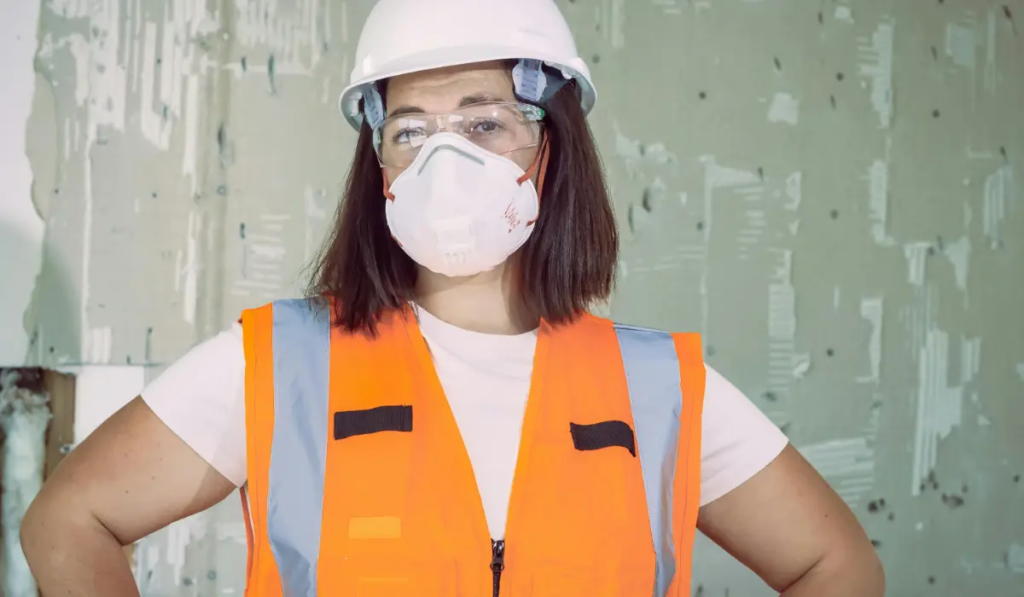
Role of a Certified Occupational Hygienist in Workplace Risk Assessment
A certified occupational hygienist is a scientist focused on protecting people from workplace health risks. During risk assessments, they anticipate, identify, evaluate, and control hazards that could cause injury or illness — working systematically through processes and environments rather than relying on visual inspection alone.
Their tools are scientific. Air monitoring, surface sampling, noise measurement, exposure quantification — these methods produce data that tells you what is actually happening in a workplace, not what it appears to be on the surface. Based on those findings, they recommend controls that reduce or eliminate exposure in practical, implementable ways.
The scope of their work covers employees, contractors, and visitors. And it does not end with a report — effective occupational hygiene includes follow-up to confirm that the controls put in place are actually working over time.
Importance of Certification for Occupational Hygiene Professionals
Certification matters more than it might seem. Hiring a certified professional — specifically one credentialed through the Australian Institute of Occupational Hygienists (AIOH) — confirms expertise, experience, and a commitment to ethical practice that distinguishes them from general safety consultants.
The AIOH maintains public registers where credentials can be verified. This transparency is meaningful. When a report is being used to demonstrate compliance with OHS and WHS standards, or to defend against a health-related claim, the credibility of the person who produced it matters considerably.
Certified professionals deliver reports that align with regulatory requirements, recommendations that are scientifically grounded, and advice that holds up under scrutiny. That combination is what professional certification actually represents in practice.
Understanding the Occupational Hygiene Risk Assessment Process
The risk assessment process follows a logical, structured sequence. It begins with hazard identification — understanding what is present in the workplace that could harm health. It moves through evaluation, using measurement to quantify the level of risk. And it concludes with the implementation and confirmation of control measures.
Each stage builds on the one before it. Skipping straight to controls without proper measurement produces solutions that may or may not address the actual problem. The structured approach exists because workplace health risks require precision, not approximation.
Step-by-Step Risk Assessment Methodology Used by Certified Professionals
The methodology used by certified hygienists is systematic rather than reactive. Hazard identification begins with a thorough review of tasks, processes, and work areas. Evaluation uses scientific methods appropriate to the specific hazards present.
| Step | Description |
|---|---|
| 1. Anticipate & Identify | Review workplace processes and tasks to spot potential health hazards early |
| 2. Evaluate | Use scientific measurements such as air sampling to gauge worker exposure |
| 3. Control | Implement practical solutions such as ventilation or PPE to reduce or eliminate risk |
| 4. Confirm | Perform follow-up checks to ensure controls remain effective over time |
Measurement tools include air sampling for contaminants like respirable crystalline silica, noise monitoring, surface swab analysis for hazards such as mould or lead, and exposure monitoring to quantify what workers are actually encountering during their working day.
Results are compared against established standards before recommendations are made. Controls are not guesswork — they are responses to measured data.
Practical Examples of Managing Workplace Hazards
The difference between a certified occupational hygienist and a general safety consultant becomes clearest in complex situations.
When workers are exposed to solvents or other chemical hazards, a hygienist conducts air monitoring to quantify exposure before recommending specific ventilation changes or PPE. The recommendation is proportionate to the actual risk, not a general precaution applied broadly.
On construction sites with elevated noise levels, a hygienist identifies specific sources, measures exposure at the point of the worker, and recommends targeted controls — equipment enclosures, exposure time limits, or layout changes — rather than defaulting to standard hearing protection across the board.
For biological hazards such as mould in office environments, air sampling and surface analysis determine contamination levels and guide remediation precisely. Practical recommendations from this kind of assessment can include installing local exhaust ventilation, implementing lead management plans in older buildings, assessing diesel particulate matter from on-site machinery, and guiding proper PPE fit testing.
Business Benefits of Engaging a Certified Occupational Hygienist
The business case for professional occupational hygiene extends well beyond legal compliance. Comprehensive risk assessments prevent long-term illness, reduce absenteeism, and protect productivity. They also signal to the workforce that health is taken seriously — which affects morale and retention in ways that are difficult to quantify but genuinely real.
Investing in occupational hygiene is a strategic decision as much as a safety one.
Regulatory Compliance and Reporting Advantages
Reports produced by certified hygienists are recognised by health and safety regulators. They demonstrate diligence in managing workplace health risks, align with OHS and WHS requirements, and make audits considerably less stressful when inspectors ask how hazards are being managed.
The practical compliance advantages include clear documentation of hazard identification, risk evaluation, and control measures; expert recommendations that meet legal standards; and formal evidence that reasonable steps have been taken to protect workers — which matters significantly if health-related claims arise later.
Health Improvements, Cost Reduction, and Industry Use Cases
Preventing occupational illness is less expensive than managing its consequences. Lower workers’ compensation claims, reduced insurance premiums, and decreased absenteeism are the direct financial outcomes of effective occupational hygiene. The long-term effect on workforce stability and recruitment costs is equally significant.
The benefits apply across industries. Manufacturing, construction, healthcare, mining — any environment where people are exposed to physical, chemical, or biological hazards stands to gain from a properly conducted health risk assessment.
Specific outcomes include fewer occupational diseases such as silicosis or noise-induced hearing loss, lower staff turnover, enhanced reputation as a responsible employer, and improved morale and productivity across the workforce.
A Proactive Approach With Long-Term Returns
Occupational hygiene works best when it is embedded into how a workplace operates rather than called upon only after something goes wrong. The hazards it addresses — airborne particles, chemical exposure, excessive noise — rarely cause immediate, visible harm. Their effects accumulate over time, which is precisely why early identification and consistent control matter so much.
A certified occupational hygienist brings the scientific rigour, professional credibility, and practical experience to do that work properly. For businesses that take their duty of care seriously, that expertise is not an optional extra — it is the standard.