
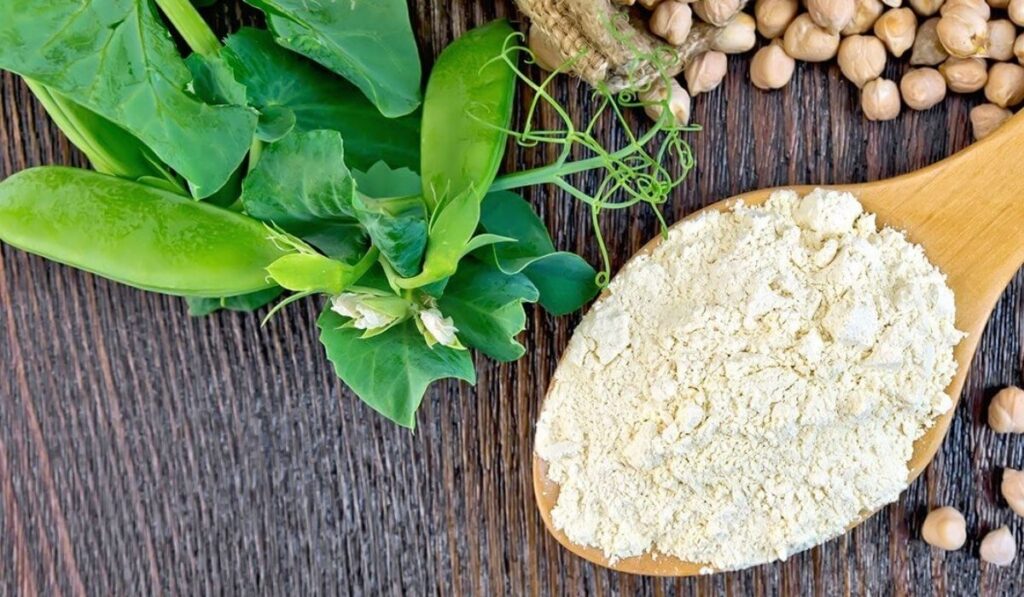

Whey protein has been a go-to choice for a long time for people trying to boost their protein intake, especially among those who hit the gym regularly. It’s great because it’s a convenient source of top-quality protein and is often used to aid muscle recovery and growth. But there is one catch – whey is drawn from milk, so it’s not suitable for those following a vegan or dairy-free diet.
Plant protein offers an alternative, but can it match the performance of traditional whey? With a growing range of plant protein powder in Australia now, vegans and those wanting to avoid dairy have more options than ever. Let’s take a look at whether plant protein is a viable alternative to whey in terms of protein quality, muscle growth, and recovery.
Protein Content
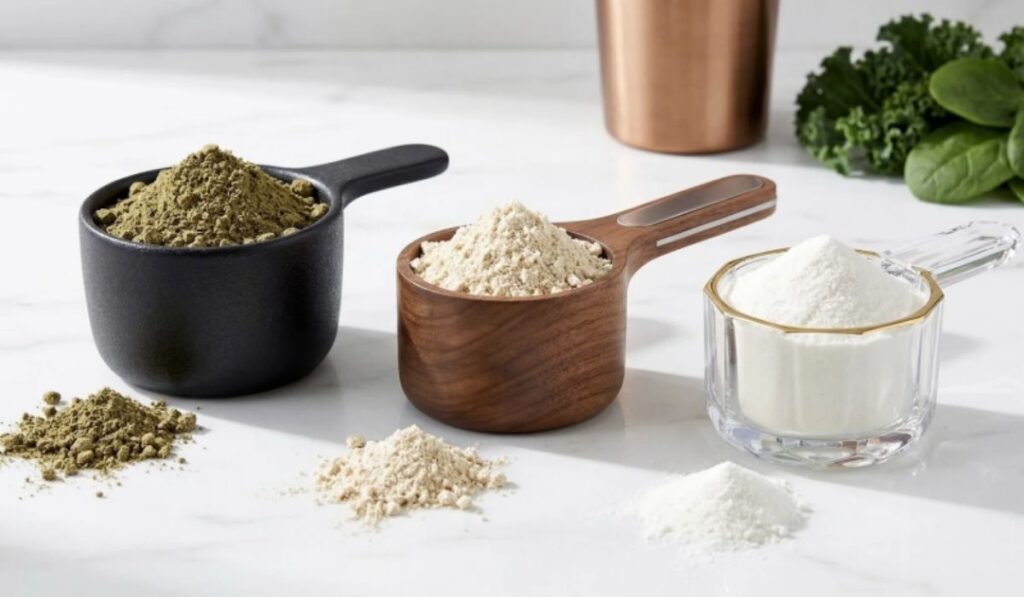
When you compare plant protein to whey, one of the things that comes up is how much protein each serving provides. Both can be a convenient way to up your daily protein intake, with many products offering a healthy 20-30 grams of protein per serving.
Whey protein is reckoned to be a complete protein because it contains all nine of the essential amino acids – leucine, isoleucine and valine, to name a few. These BCAAs play a big role in supporting muscle protein growth and recovery after exercise.
The protein content and amino acid make-up of plant protein powders can vary depending on what sources they use. Some individual plant proteins might be a bit low in certain essential amino acids compared to whey, but combining different plant protein sources can give you a more complete amino acid profile.
This means not all plant protein powders are the same. When you’re choosing a plant protein powder in Australia, check the nutrition label for the protein content per serving and what types of protein sources are included. A well-put-together plant protein powder can provide a substantial amount of protein (about 20-30 grams per serving) and do the job of helping you meet your daily protein needs.
Digestibility and Absorption
Whey protein is a real champ when it comes to being easy to digest – its amino acids can be broken down and absorbed by the body with ease. But plant proteins are a bit more of a mixed bag, and the digestibility can vary depending on the source. Some plant proteins naturally contain compounds that make them a bit harder to digest than whey, but the processing methods used to turn them into protein powder can actually improve digestibility, making plant-based protein a bit more user-friendly for the body.
The type of protein you choose also plays a pretty big role in how well it’s digested. Take pea, rice, soy and other plant proteins – they’ve got different nutritional and digestibility profiles, which is why some products are a mix of different plant-based protein sources. And while it’s true that a plant protein might be only slightly less efficient at getting broken down than whey, that doesn’t mean it can’t still do the job. As long as you choose a well-formulated plant protein powder and make sure you’re getting enough protein throughout the day, your body should be getting the amino acids it needs to keep your muscles in top shape.
Muscle Growth and Recovery

Now, when it comes to building muscle and getting your body back to full strength after a workout, both whey and plant protein can play a key role. The fact is, when you’re doing resistance training, your body needs a good supply of protein to help put the pieces back together and build new muscle tissue – so having enough protein in your diet is pretty non-negotiable.
Of course, whey has traditionally been a popular choice because of its high levels of essential amino acids, especially that superstar leucine. Leucine is the one that really gets muscle protein synthesis going, and whey’s got all the other essential amino acids accounted for too, which makes it a great option for supporting muscle recovery after a tough workout.
Plant protein can do the same job, but the amino acid profile is going to vary depending on the source. Some plant proteins have less leucine or other essential amino acids than whey, which is why it’s a good idea to look for a plant protein that combines different protein sources – like pea and rice – to get a more complete amino acid profile. And don’t forget to check the protein and leucine content per serving – if you’re really trying to support muscle growth and recovery, you’re going to want at least 20- 30 g of protein per serving, with about 2- 3 g of leucine.
So for people following a vegan or dairy-free diet, the good news is that a well-formulated plant protein powder can still give you the protein and amino acids you need to back your training and recovery routine – you just need to make sure you’re making the right choices and getting everything in balance.
Weight Loss
If your main goal is to lose weight, then neither whey nor plant protein is necessarily a better option. What really matters here is just how many calories you’re taking in overall, what your diet is like, and your levels of physical activity. You may find protein does come in handy though – it can help you feel fuller for longer and keep your muscles in good nick even when you are eating fewer calories.
Both whey and plant protein powders can be useful if you’re looking for an easy way to get your protein hit without having to eat a whole load of food. The thing is, though, the actual nutritional content of a given product can vary quite a bit, so you should probably have a look at the calorie count, protein content and added sugars to get the best out of it.
When choosing a protein powder to help with weight loss, you want to make sure it provides a decent amount of protein per calorie and fits in nicely with the rest of your diet. If you use it as part of a balanced diet and regular exercise, then plant protein can be a pretty handy way to get the protein you need while trying to lose weight.
When Is Plant Protein a Better Choice?
If you can’t or don’t want to use whey, then plant protein is likely the better option. For anyone who is vegan or vegetarian, for example, it gives them a way to up their protein intake without having to go near any animal products.
It’s also a good choice for people who just don’t eat dairy at all, anyone who has big problems with whey or has lactose intolerance (your choice of whey might make a difference but it’s a lot less complicated to just go with plant protein).
There are other reasons people might choose plant over whey too. Some people have a big focus on eating a plant-based diet for environmental or health reasons – for those people, a plant protein powder is a simple way to boost their protein levels while sticking to their principles.


