
There is a particular kind of buyer’s regret that comes specifically from dining tables. You bring it home, get it into the room, and realise something is slightly off. It is too long for the space. The colour pulls everything in the wrong direction. The chairs sit at the wrong height. And unlike a cushion or a lamp you cannot quietly move it somewhere else and pretend it was always meant to be there.
The dining table is the piece of furniture the rest of the room organises itself around. Getting it right is worth considerably more time than most people give it.
Understanding Dining Tables in Melbourne: Trends and Local Influences
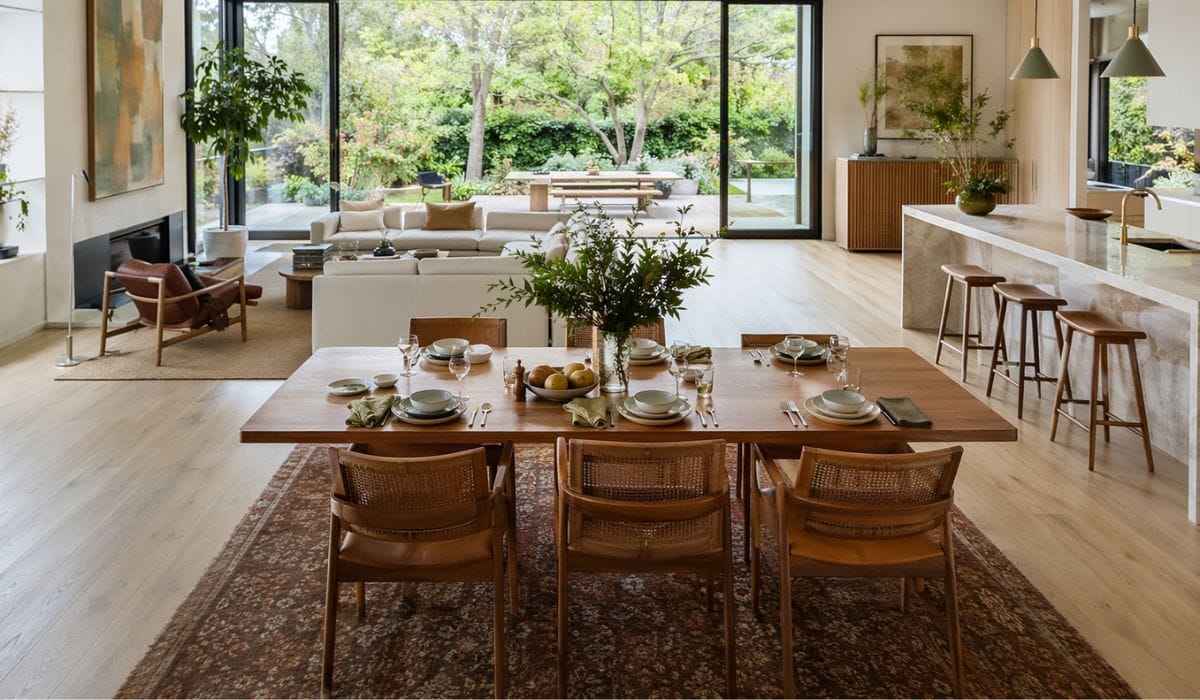
Melbourne homes have shifted strongly toward open floor plans and the dining table has had to shift with them. When the dining area flows into the kitchen and living space without walls to separate them the table is visible from almost everywhere in the room. It becomes part of the design whether you intended it to be or not.
That is why dining tables in Melbourne design has moved toward pieces that hold their own visually without requiring everything around them to be equally considered. Tables that look intentional from the kitchen bench as much as from the dining chair. Statement pieces that anchor a room rather than simply fill a gap in it.
The shift also reflects something practical. Households are using dining tables differently than they used to. Homework happens there. Work from home spills into that space. It is not just where meals are eaten — it is where a lot of daily life gets managed. That changes what a table needs to do.
Most Popular Styles of Dining Tables in Melbourne Homes
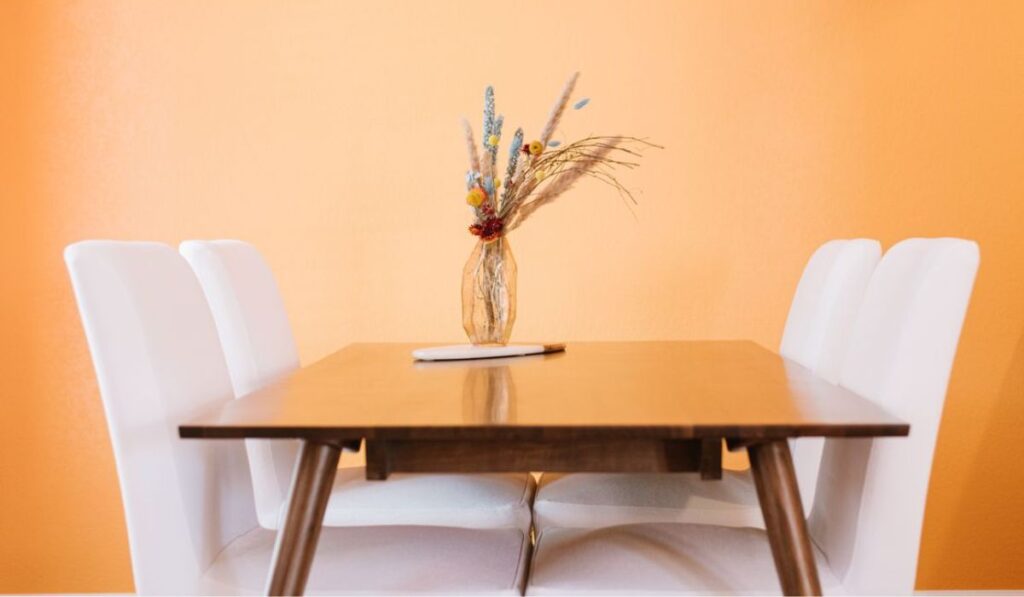
Extension tables remain the most consistently practical choice for households that entertain occasionally but do not want a large table dominating the room on ordinary weeknights. The ability to seat four on a Tuesday and ten on a Saturday without rearranging the house is genuinely useful rather than just theoretically appealing. Options like the Pacific, Cara, Barca, Bronte, Mesa, and Zenya Ceramic extension tables all operate from that same premise — daily functionality that scales when it needs to.
Round tables suit rooms where flow and movement matter more than maximum seating. They soften a space that rectangular tables can make feel more formal or rigid and they tend to make smaller dining areas feel more generous rather than cramped. If the room is working against you in terms of size the Amelie, Artie, and Galileo rounds are worth considering seriously.
For buyers who want the table to carry real design weight, pieces like the Paragi Travertine and the Amazon Live-Edge do something manufactured finishes cannot replicate. They bring texture, material depth, and a presence that feels earned. These are tables that tend to look better at five years than they did on day one.
Modern vs. Classic: What Actually Works in Each Direction
Modern dining rooms tend to work best with clean lines, minimal ornamentation, and surfaces that do not compete with the space around them. A ceramic extension table in a neutral tone paired with chairs that follow the same logic creates a room that feels considered without feeling cold or assembled from a catalogue.
Classic dining rooms ask for something different. Richer tones, more visible material quality, the layering that comes from a solid table alongside a nearby sideboard or buffet. The warmth does not come from decoration — it comes from materials that have genuine depth and furniture that feels like it belongs rather than arrived recently.
Melbourne buyers have access to both directions across a wide price range. Luxury pieces like the Elysian, Aviator, Bobo, and Galileo sit alongside more accessible floorstock and clearance options. Good design is not exclusively expensive here which makes it easier to prioritise what actually matters rather than working around a single constraint.
How to Choose the Right Size
Start with the room not the table. Measure the dining area and subtract the space needed to pull chairs out comfortably and move around them — 90 to 100 centimetres on all sides is the practical minimum. What remains tells you the footprint your table can realistically occupy.
That number is more useful than any guideline about how many people a table seats because seating capacity assumes everyone is comfortable and that walkways remain clear. A table that seats eight in theory but makes the room feel impossible to move through seats eight uncomfortably.
| Table Type | Available Sizes | Best Use |
|---|---|---|
| Rectangular fixed | 150x90cm – 270x120cm | Everyday dining, larger rooms |
| Extension | 150–270x105cm options | Flexible seating needs |
| Round | 150cm and other round sizes | Compact spaces, easy movement |
Round tables earn their place in smaller rooms specifically because they allow easier movement on all sides. There is no corner to navigate around and no long edge that forces people to slide past each other. For compact apartments or dining areas that connect to busy kitchen spaces that flexibility matters daily.
Material Matters More Than Most People Realise
Material changes how a table looks, how it ages, and how much it asks of you to maintain it. For something used every day those are not small considerations.
Solid wood brings warmth and visible craftsmanship in a way that manufactured surfaces do not. It develops character over time — marks and patina that tell the story of the table rather than diminish it. The Amazon Live-Edge is a strong example of what solid timber does when the material itself becomes the design. It does require some care around moisture and spills but for households that appreciate natural materials the trade-off is straightforward.
Stone surfaces like the Paragi Travertine create an architectural presence that stops a room in its tracks. Travertine specifically has a warmth and natural variation that polished stone does not, which suits Melbourne interiors that lean toward organic textures and earthy palettes. The practical consideration is weight and care around acidic foods — worth knowing before the table arrives rather than after.
Ceramic tops like the Zenya offer the most practical surface for genuinely heavy daily use. Resistant to heat, scratching, and staining in ways that timber and stone are not. For households with young children or where the table doubles as a work surface for most of the week, ceramic makes the maintenance question largely disappear.
Durability and Everyday Use
The most beautiful table is only as good as how well it holds up to real life. For households where the dining table is also where homework gets done, where craft projects happen, where meals occur three times a day rather than once — durability needs to be part of the decision from the beginning.
Extension mechanisms are worth paying specific attention to. A mechanism that feels smooth and solid when new but becomes stiff or misaligned over time adds friction at exactly the moments you most need the table to work without thinking about it. Testing the extension before buying is worth doing if you have the opportunity.
Simpler designs generally hold up better over time than complex ones. Fewer moving parts, easier cleaning, less opportunity for detail work to age poorly. That is not an argument against ornamentation but it is a reason to be honest about how much daily use the table will see.
What I Have Learned From Watching People Choose Dining Tables
The buyers who end up happiest with their choice tend to follow the same pattern. They start with the room’s actual measurements rather than an approximation. They think about how the household genuinely uses the dining area rather than how they imagine they might. And they choose a material they can live with realistically rather than one that requires more care than their daily routine will actually support.
The buyers who end up with regret tend to fall for the table that looked spectacular in the showroom without doing the measurement work first, or choose a delicate material for a household where that material will be a constant source of anxiety.
A dining table is not a complicated purchase when the practical questions get answered honestly before the aesthetic ones.
Frequently Asked Questions
What are the standard sizes available?
Options include 150x90cm, 190x100cm, 210x105cm, 210x110cm, 240x120cm, 250x120cm, 270x120cm, and 150cm round, plus extension formats. Measuring your space carefully before comparing sizes makes the decision considerably clearer and avoids the most common regret.
How do I choose a style that matches my home?
Start with the furniture you already have and look for a table that feels continuous with it rather than in contrast. A table that requires everything around it to change tends to cause more disruption than satisfaction. The finish of your flooring, the tone of your kitchen cabinetry, and the style of any existing chairs are all useful reference points before you start comparing options.