


It’s a hot evening and the street goes dark at 7:40. The ceiling fan slows to a stop, the router’s green light disappears and the fridge, which was humming a moment ago, falls silent. Then the backup system clicks over, the fan picks up again and the room settles. The first thing most people want to know afterwards is simple. What was it actually able to run, and what would have tripped it?
A 3000W hybrid solar inverter can power several household appliances at the same time, but the real answer depends on each appliance’s running wattage, its starting power and the total demand at that moment. For a typical home, that capacity can cover essentials, lighting, entertainment and a few kitchen appliances. It won’t handle every high-power appliance at once.
A hybrid inverter combines solar power, battery storage and grid electricity in one system. It lets a household use solar energy during the day and stored energy when the sun isn’t available. That’s more flexible than a basic inverter that only converts battery power into household electricity. Knowing its limits is what keeps a system from being overloaded.
A quick note before the numbers. Every figure below is an estimate for illustration, not a specification. The label on your own appliances and the documentation for your own inverter are the figures that count, and anything involving fixed wiring or a grid connection should be planned with a licensed electrician or accredited solar installer, not from a blog post.
Which Household Appliances Can a 3000W Inverter Handle?
A 3000W system can support many everyday appliances as long as their combined demand stays inside its operating limits. The method is to add up the load before plugging in a second or third device. Anything with a motor also needs extra power for a moment when it starts, and that surge is what catches people out.
Here are some common appliances and their approximate running demand.
| Household appliance | Typical power consumption |
|---|---|
| LED light bulb | 8 to 15W |
| Wi-Fi router | 10 to 20W |
| Laptop | 40 to 100W |
| LED television | 60 to 150W |
| Ceiling fan | 50 to 100W |
| Refrigerator | 100 to 300W while running |
| Desktop computer | 150 to 400W |
| Washing machine | 400 to 1,000W |
| Microwave oven | 800 to 1,500W |
| Electric kettle | 1,000 to 2,000W |
These are ranges, not fixed values. Consumption varies with the model, the operating mode and the age of the appliance. Check the manufacturer’s label or manual, and look specifically for the starting wattage of anything with a motor or compressor.
Essential Appliances You Can Run Together
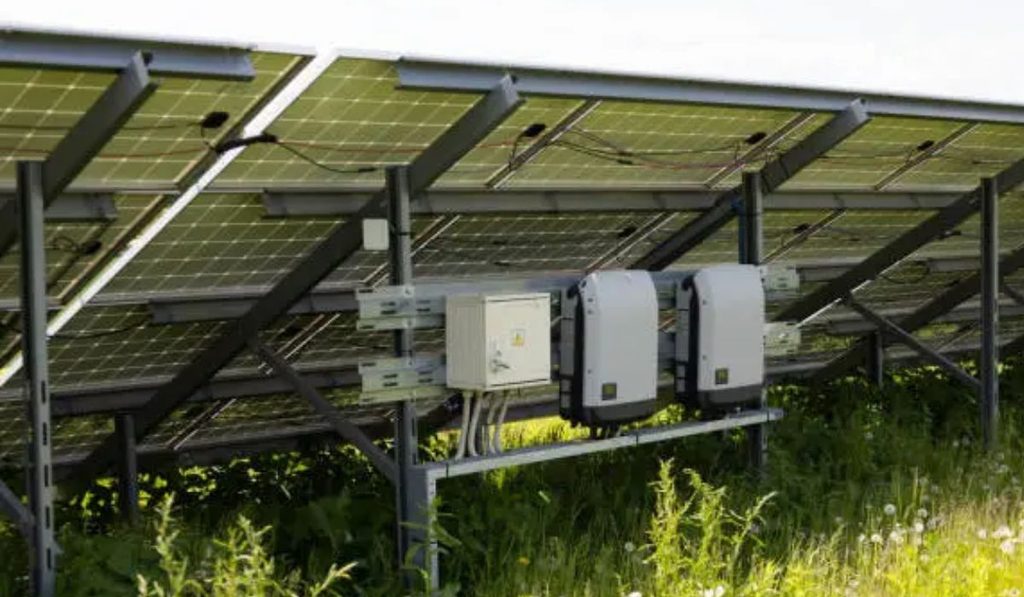
For basic comfort during an outage, a 3000W hybrid inverter has plenty of room. A fridge, a few ceiling fans, LED lights, a television and a Wi-Fi router can all run together, and their combined demand sits comfortably below the inverter’s rated output.
Take a typical evening. A fridge at about 200W, three ceiling fans at 240W, six LED lights at 60W, a television at 120W, a router at 15W and a laptop at 65W add up to roughly 700W. That leaves a lot of spare capacity.
There’s one catch. The fridge draws more for a moment when its compressor starts, so the inverter and battery have to cope with that brief surge as well as the steady load. A system that handles the average load can still trip on the startup spike.
Running Air Conditioners With a 3000W Inverter
Air conditioners need more careful planning, because their power draw changes with cooling demand. A small inverter-type unit may fit within a 3000W system, depending on its rated input and its starting requirements. Everything else in the house is drawing from the same pool, so the spare capacity can disappear quickly.
As a rough guide, a small split system might draw around 700 to 1,200W under some conditions, while a larger one might need 1,200 to 1,800W or more, depending on its settings and the outdoor temperature. Those ranges are illustrative only. The electrical label on the unit is the reliable source.
How to Manage AC Usage
A sensible approach is to run one air conditioner alongside the essentials rather than several heavy devices together. Setting a moderate temperature avoids unnecessary demand, and it’s worth checking the unit’s starting requirements against the inverter’s surge rating. Keep the kettle or iron off while the air conditioner and other major appliances are running.
A 3000W inverter may support one efficient air conditioner with basic household loads. How it performs in practice depends on the total load, solar production, battery condition and the inverter’s specifications.
Kitchen Appliances That Fit Within the Available Capacity
Kitchen appliances vary enormously. Small devices can run next to the essentials, while heating appliances take a big share of the inverter’s output, so planning when you use them helps prevent overloads.
A microwave, blender or coffee maker is usually fine when other heavy appliances are off. A kettle or toaster can run on its own if its wattage stays within the spare capacity. Several heating appliances at once can quickly exceed the rating, which is the classic scenario for an overload at breakfast time.
Kitchen Equipment to Use Carefully
For the microwave, check its input wattage, not just its cooking output. The kettle is best used when other high-power appliances are off. A blender usually runs for short periods, though its motor startup still counts. A rice cooker’s heating element can draw a lot during cooking, and the fridge needs headroom for compressor startup.
It’s easier to schedule the high-power kitchen jobs separately than to fight the inverter. That leaves capacity for lighting, cooling and everything else running in the background.
Appliances That May Exceed the Inverter’s Limits
Some appliances simply don’t suit a 3000W system. Others have such a high starting demand that they cause a temporary overload even when their running wattage looks fine.
Electric water heaters, large ovens and electric showers often need several thousand watts. Large air conditioners and powerful water pumps can also exceed the system’s practical limits. Running any of them needs a separate assessment of the inverter, the battery and the electrical installation.
Don’t decide what to connect based on the plug type or voltage alone. Check the rated wattage and starting demand first. If the combined load goes beyond the inverter’s limits, the system may shut down or trip its overload protection, which is the system doing its job rather than failing.
How Battery Capacity Affects Household Runtime
The inverter’s power rating tells you how much it can supply at any given moment. The battery’s capacity tells you how much stored energy there is over time. They’re two different measurements, and a backup system needs both.
For example, a 24V battery bank rated at 200Ah stores roughly 4.8kWh of nominal energy. The usable amount will be lower once battery chemistry, discharge limits and conversion losses are taken into account. A bigger battery bank gives longer backup, but it doesn’t raise the inverter’s output.
Battery type matters too. Lithium batteries generally allow deeper discharge than many lead-acid types. Even so, the battery’s maximum discharge current has to match what the inverter asks of it.
Solar Panel Output and Daily Electricity Use
Panels produce energy during daylight, but the output moves around through the day. Cloud, panel orientation, shading, temperature and dust all play a part. A 3000W inverter doesn’t mean the system generates 3000 watts continuously, and it’s a common misunderstanding.
The solar array and the charge controller decide how much energy the system can collect and send to the battery. Some systems can also draw from the grid when solar generation is low, which is part of why hybrid setups suit homes whose needs change from day to day.
Before choosing panels, estimate how much electricity the household uses each day. Compare that with the expected solar production, the daytime demand and the amount of battery backup wanted. Doing so avoids a system with plenty of inverter capacity and not enough stored energy.
How to Calculate Your Home’s Total Power Requirement
Calculating the household load is one of the simplest ways to test whether a 3000W hybrid inverter fits. List the appliances you want to run at the same time, note each one’s running wattage and flag anything with a high starting demand.
Add up the running wattage and compare the total with the inverter’s continuous output rating. Then check that the inverter can handle the biggest expected startup surge while the other appliances are already running.
A Practical Load Calculation Example
Say the plan is to run a fridge, two fans, a television, a microwave and some lighting. The fridge at about 200W, two ceiling fans at 160W, the television at 120W, the microwave at 1,200W and the lights at 80W come to roughly 1,760W.
That leaves some spare capacity, provided the combined demand and any startup surges stay within the inverter’s limits. If an air conditioner or kettle joins the list, recalculate before switching everything on.
Features to Consider When Choosing a Hybrid Inverter
The power rating is only part of the picture. Models differ in charging options, battery compatibility and protection features, and those details affect how well the system works with the equipment in the house.
A pure sine wave output suits many modern electronics and appliances. An MPPT solar charge controller helps manage energy from compatible panels. Battery voltage, maximum charging current and supported battery types are also worth checking.
Look for overload and temperature protection and suitable electrical safeguards, and confirm the inverter meets the requirements of the home’s electrical system and local regulations. In Australia, that generally means checking compliance and installation requirements with an accredited installer and your network operator before buying.
Common Mistakes to Avoid When Using a 3000W System
One frequent mistake is treating the rated output as a target for continuous use. Running close to the maximum leaves no room for unexpected demand, so a sensible margin helps avoid overload problems.
Another is overlooking the battery. An inverter may be able to deliver 3000W while an undersized battery can’t supply enough current to support that load. Poor cable sizing, unsuitable connections and incorrect installation can also hurt performance, and they’re one reason installation is best left to qualified people.
And don’t assume the panels will always supply their full rated output. Sunlight and weather change it constantly. A balanced setup considers the inverter, panels, battery bank and appliances together.
Frequently Asked Questions
Can a 3000W hybrid inverter run an entire house?
It can support many essential appliances, but probably not every appliance at once. The result depends on total demand and starting power.
Can a 3000W hybrid inverter run a refrigerator and an AC together?
In some setups, yes. The combined running wattage and the compressor startup requirements both have to stay within the inverter’s limits.
How many fans can a 3000W inverter operate?
That depends on each fan’s wattage and what else is connected. Several fans can usually run together with lighting and basic electronics.
Can a 3000W hybrid inverter work without batteries?
Some hybrid models support battery-free operation under specific conditions. Operating modes differ between models, so check the manufacturer’s specifications.
How long can a 3000W inverter run household appliances?
Runtime depends on battery capacity, usable stored energy and the combined load. The 3000W rating alone can’t tell you the backup duration.
Planning Around the Limits
A 3000W hybrid solar inverter can handle many everyday household needs when its capacity is managed with some care. Fridges, fans, lights, televisions, computers and selected kitchen appliances make a practical combination, and a small air conditioner may fit too, depending on its demand and everything else running.
The useful distinction is between three things people often blur together: inverter output, battery storage and solar generation. Work out the expected load, leave room for startup surges and choose compatible equipment. With that groundwork, and a licensed professional signing off on the installation, a well-configured system can keep the essentials running without being pushed past its limits.


