
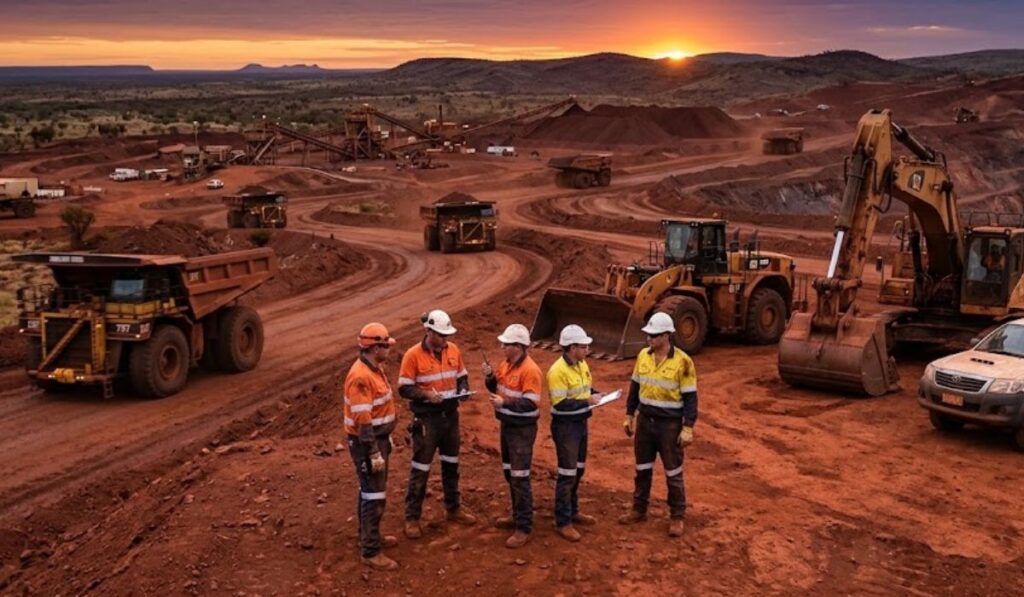

Before sunrise at a remote mine site in Western Australia, a fleet of heavy vehicles lines up to be loaded. A supervisor runs through the day’s tasks with the crew while, hundreds of kilometres away, a scheduler confirms a delivery window for the same cargo. Neither of them will see the other all day. Yet the decisions each makes will shape how safe that load is when it reaches the highway.
Australia’s mining and resources sector depends on coordinated operations, reliable transport networks and effective workplace safety practices. From large operations in Western Australia and Queensland to regional extraction sites and civil construction projects, businesses have to manage risks that reach well beyond the immediate worksite.
Heavy vehicles carry equipment, fuel, materials and extracted resources across long supply chains. Meanwhile, mining supervisors coordinate workers, monitor site activity and help make sure procedures are followed. When both responsibilities are managed well, businesses are better placed to spot hazards, improve communication and keep operations safer.
Two areas of professional development can support those goals: mining supervisor training and Chain of Responsibility training for transport activities.
The Importance of Effective Supervision in Mining
Mining and resource operations involve complex tasks, heavy machinery, changing site conditions and several contractors working together. Supervisors coordinate those activities and make sure safety procedures are understood and followed.
Good supervision is more than handing out tasks. Supervisors need to recognise hazards, assess risks, communicate expectations and respond when conditions change. They may also contribute to incident investigations, review control measures and look for ways to improve existing work practices.
Clear communication matters most when several teams or contractors are working at once. Instructions have to be understood, hazards need to be reported promptly, and changes to work have to reach the people they affect.
For workers preparing to move into supervisory roles, or those looking to strengthen their existing skills, Mining Supervisor Training is one pathway to build competencies in risk management, safety and health investigations and workplace communication.
Courses of this kind commonly cover nationally recognised units such as:
- RIIRIS301E: Apply risk management processes.
- RIIWHS301E: Conduct safety and health investigations.
- RIICOM301E: Communicate information.
Together, these units address key parts of supervision, from identifying and managing risks to investigating incidents and communicating information. Unit codes and versions are updated from time to time, so confirm the current ones with the training provider.
The competencies may be relevant to workers in mining, drilling, extractive industries and civil construction. The training required for a particular supervisory or statutory position, however, depends on the applicable state or territory legislation and employer requirements.
Understanding the Connection Between Mining and Transport Safety
Mining operations rarely work in isolation. They rely on transport providers, logistics coordinators, drivers, contractors and suppliers to keep materials moving safely and efficiently.
A single transport activity can involve decisions by several different parties. A driver operates the vehicle, a scheduler sets delivery times, a loader prepares the cargo, and a business may set the commercial conditions under which the journey happens. These decisions can influence transport safety even when the people making them are nowhere near the road.
An unrealistic delivery schedule, for example, can encourage unsafe driving. Poor load restraint can create hazards in transit, and weak fatigue management arrangements can raise the risk of a serious incident. Vehicle mass and dimension limits also have to be considered when planning and carrying out heavy vehicle operations. This is where Australia’s Chain of Responsibility framework becomes relevant.
What Is Chain of Responsibility in Australia?
Chain of Responsibility (CoR) is a framework under the Heavy Vehicle National Law (HVNL) that recognises the influence different parties can have on heavy vehicle safety and compliance. Depending on their activities, those parties may include employers, operators, schedulers, consignors, consignees, loaders, packers and others involved in the transport process.
The underlying principle is that responsibility for transport safety doesn’t rest on the driver alone. Businesses and individuals whose decisions affect transport activities need to understand their duties and take appropriate steps to manage the risks.
CoR obligations can relate to several areas, including:
- Fatigue management: avoiding work arrangements that encourage drivers to operate while fatigued.
- Speed compliance: making sure schedules and business practices don’t encourage speeding.
- Vehicle mass and dimensions: managing loads within applicable legal limits.
- Load restraint: making sure cargo is appropriately secured for transport.
- Vehicle standards: addressing relevant vehicle safety and maintenance requirements.
- Risk management and documentation: identifying transport hazards, putting controls in place and keeping appropriate records.
The specific legal duties depend on the activities performed and the legislation that applies. Businesses should assess their own operations rather than assume responsibility belongs to one participant in the supply chain.
How TLIF0009 Supports Transport Safety and Compliance
Understanding CoR obligations matters for anyone who makes or influences decisions about transport activities. Training can help them recognise potential compliance issues and understand how workplace procedures should be applied.
The nationally recognised unit TLIF0009, Ensure the safety of transport activities (Chain of Responsibility), focuses on the knowledge and skills needed to understand relevant obligations under the HVNL or applicable state and territory legislation.
Through TLIF0009 Chain of Responsibility Training, participants can explore the responsibilities of different parties in the transport chain, identify common risks and consider how safety requirements apply in workplace situations.
Topics typically include:
- Identifying transport activities and the parties in the Chain of Responsibility.
- Understanding shared responsibilities and applicable legal obligations.
- Recognising what “reasonable steps” means in managing compliance risks.
- Identifying common breaches and the consequences of non-compliance.
- Applying workplace policies and procedures to transport scenarios.
- Managing risks associated with fatigue, speed, vehicle mass, dimensions and load restraint.
- Following reporting and documentation processes.
This knowledge can be useful for transport operators, logistics personnel, schedulers, supervisors, safety officers and compliance staff whose work can influence heavy vehicle operations.
Delivery formats vary between providers, and some offer the unit online. Participants assessed as competent normally receive a Statement of Attainment, but check the format and assessment details with the provider before enrolling.
Why Mining Supervisors and Transport Teams Need Clear Communication
Mining safety and transport compliance share one basic requirement: people need accurate information to make safe decisions.
On a mine site, supervisors may need to communicate changes in operating conditions, clarify work instructions or make sure identified hazards are addressed before a task goes ahead. In transport, schedulers and managers need to communicate realistic requirements, while drivers and loading personnel must understand what safe and compliant journeys need.
Poor communication can undermine otherwise sound safety procedures. A risk assessment might identify a hazard, but the control only works if the people doing the job know what’s required. In the same way, a transport policy can sit on paper without changing day-to-day behaviour if employees and contractors are unclear about their responsibilities.
Training helps build a shared understanding of those expectations. It should be backed by practical procedures, suitable supervision, clear reporting channels and regular reviews of how controls are working.
A Practical Example: Moving Materials from a Mining Site
Consider a mining operation that relies on heavy vehicles to move materials between the site and a processing facility.
Before transport begins, site personnel need to make sure loading arrangements are suitable and that vehicle mass, dimension and load restraint requirements are addressed. Transport planners must consider scheduling and fatigue requirements, and drivers need to operate within road transport laws. The mining supervisor may also coordinate site activities, communicate operational requirements and make sure workers follow established procedures.
Each participant has a different role, but their decisions can affect the safety of the whole operation. Mining supervisor training can support the skills needed to manage workers, communicate information and address workplace risks. TLIF0009 training can help relevant transport personnel understand their CoR obligations and apply suitable controls to transport activities.
Neither course replaces site-specific procedures or other mandatory qualifications. Each addresses a different part of a broader safety management approach.
Choosing the Right Training for Your Role
The most suitable course depends on the responsibilities you hold and the industry requirements that apply to your work.
Workers moving into mining supervision should review the competencies required by their employer and the relevant mining regulator. A course covering risk management, safety investigations and communication may suit a role where those units match the requirements. People involved in heavy vehicle transport should consider whether their work influences scheduling, loading, vehicle operations or other activities covered by CoR legislation.
Before enrolling, check the following:
- Does the course cover the unit of competency required for your role?
- Is the training nationally recognised, and what certification is issued on successful completion?
- Are additional licences, statutory competencies or workplace inductions required?
- Do state-specific laws impose requirements beyond the general course content?
- Can what you learn be applied to the real risks and procedures in your workplace?
Confirming these details first helps workers and employers choose training that fits operational needs.
Building a Stronger Safety Culture Across Mining and Logistics
A reliable safety culture depends on more than compliance documents. People at every level need to understand their responsibilities, communicate clearly and act when risks arise.
Mining supervisors contribute by coordinating work, monitoring hazards and supporting safer decisions on site. Transport professionals contribute by recognising how scheduling, loading, fatigue management and other operational decisions affect heavy vehicle safety. Building the right competencies in both areas can make safety practices more consistent and strengthen cooperation between operational and transport teams.
Relevant training, supported by effective procedures and ongoing supervision, can help organisations manage risks more systematically and contribute to safer mining and transport operations across Australia.

