
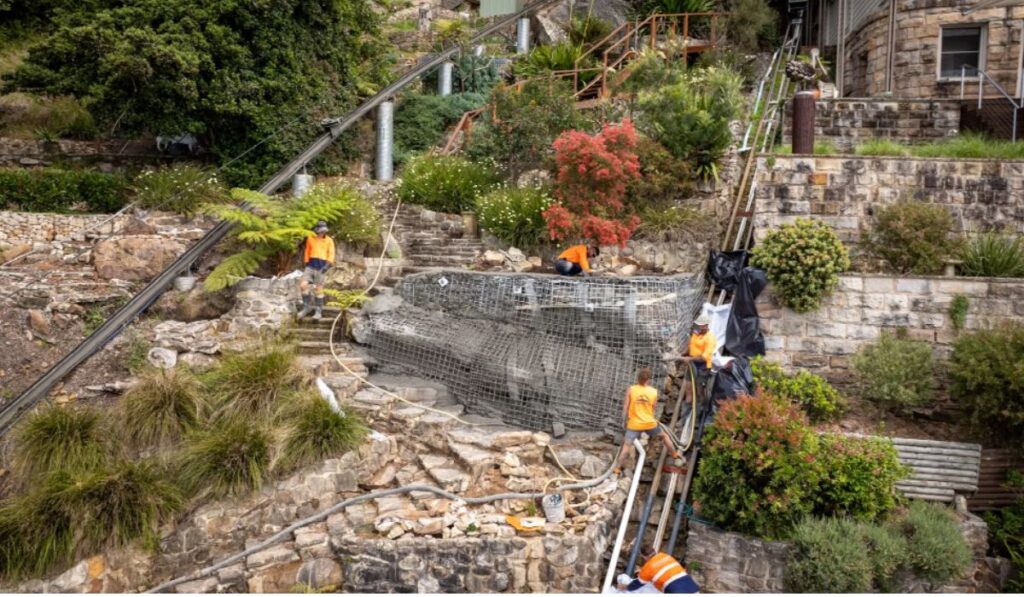

Picture a terrace house with a side passage barely wider than a wheelbarrow. On one side sits the neighbour’s brick wall, on the other a retaining wall that has been there longer than the current owners. The plans call for a new deck at the back, and somewhere between the street and the backyard, a full-size drilling rig is clearly never going to fit.
That scene plays out on a lot of established residential blocks. Narrow driveways, neighbouring buildings, steep slopes and tight working space all shape which equipment can get onto the site, and that in turn shapes how excavation, deliveries and the rest of the build are organised. Choosing the right foundation system is part of the planning from the start, not an afterthought.
Screw piling is one method that may suit certain projects where access is restricted. Instead of relying on extensive excavation, screw piles are installed by rotating steel shafts fitted with helical plates into the ground. Property owners researching Expert Screw piling Northern Beaches Elite Piling can explore professional piling services for projects involving challenging access and ground conditions. Knowing the advantages and the limits of screw piling makes it easier for homeowners and builders to decide early, before the machinery question turns into a problem.
Understanding How Screw Piling Works
A screw pile is a deep foundation that carries structural loads down into suitable ground. It typically has a steel shaft with one or more helical plates near the bottom. During installation, specialised equipment applies rotational force and advances the pile into the soil, to a depth set by the engineering design and by what the ground turns out to be like on the day.
Conventional bored piles are different. They generally need a hole drilled first, then concrete placed. Screw piles go straight in through rotation, which can cut down on how much excavated material has to be removed. That said, requirements vary with soil conditions, structural loads and the type of pile chosen. A geotechnical assessment and proper engineering design are what decide whether screw piling suits a particular project.
Smaller Installation Equipment Can Improve Site Accessibility
Equipment range is one of the main reasons screw piling gets considered for restricted sites. Depending on the pile design and the installation torque required, some piles can be installed with compact machinery or specialised attachments. That can help where a larger rig simply can’t reach because of narrow access points, existing structures or limited room to manoeuvre.
Think of a property with a tight side passage or a difficult rear yard. Smaller machinery can sometimes reach those spots, though it still needs enough clearance and a stable working platform. Contractors also have to weigh overhead restrictions, underground services, ground stability and what the machine can actually handle. A detailed site assessment is how you find out whether the equipment can work safely in the space available.
Reduced Excavation Can Simplify Construction
Foundation work usually means digging, removing soil and managing whatever comes out of the ground. On a site with limited access, carrying spoil through narrow pathways or around existing buildings is slow and awkward. Depending on the design, screw piling may reduce the excavation needed because piles are advanced directly into the ground rather than placed in pre-drilled holes.
Less spoil also means less to cart away, which matters on residential jobs with nowhere to store soil or materials. It doesn’t remove every dig, though. Pile caps, ground beams, service connections and other structural elements may still need earthworks. It’s worth assessing the whole construction process as one system rather than looking at pile installation on its own.
Screw Piling May Suit Sloping and Uneven Blocks
Sloping blocks bring their own difficulties. Ground levels change across the building area, so support, soil stability, drainage and machinery access all need thought. In some cases, screw piles can be installed at different locations and depths to support a structure built over uneven terrain, which is why they’re worth considering during design.
The slope is never the whole story, though. Fill, shallow rock, unstable soil or possible ground movement can all affect pile design and suitability. Piles have to be designed to resist the loads the structure puts on them, including vertical and lateral forces, and an engineer needs to settle the dimensions, spacing, depth and installation requirements. You can’t judge suitability from the angle of the block alone.
Existing Buildings and Landscaping Can Limit Foundation Options
Extensions, decks and renovations usually happen around structures that have to stay put. Established homes often have retaining walls, fences, garden beds, paving and underground services close to the proposed foundation spots, and each one complicates excavation and the way contractors arrange equipment and materials.
Screw piling may offer an alternative in some situations because installation can be planned around specific constraints. A deck or extension near an existing building, where digging space is tight, is one example. Even so, the equipment still needs clearance, and pile locations must account for existing footings, buried services and nearby structures. A professional assessment helps establish whether piles can go in without creating unacceptable risk for the property or what’s around it.
Ground Conditions Still Determine Suitability
Screw piling has practical advantages on restricted sites, but it isn’t right for every ground. Soil type, density, groundwater, rock layers and buried obstructions can all affect whether installation is feasible. Some conditions make it hard to reach the required depth or achieve the load capacity needed, and those limits should be identified during investigation and design, not discovered on site.
Geotechnical information helps engineers judge how the ground is likely to respond. Installation torque and other measurements may be used for quality assurance, subject to the engineering design and any verification requirements. Torque alone shouldn’t be treated as a universal guarantee of load capacity, though. Design calculations, installation records and any required testing are what show the finished foundations meet the structural requirements.
Professional Planning Supports Safe Installation
Restricted-access piling needs close coordination between engineers, builders and installers. Before work starts, the team should look at machinery access, deliveries, underground services, working space and the order of construction activities. Catching these early can reduce delays and show whether extra site preparation is needed.
Installation matters just as much. Screw piles must be positioned and installed to the approved engineering design, and incorrect placement, inadequate depth or unsuitable equipment can affect how the foundation performs. Contractors should follow the relevant safety procedures and keep installation records where required. Good design, experienced installers and sensible site planning give builders a much better chance with a confined site.
Where That Leaves Tight-Access Projects
Back at that narrow side passage, the question was never only about getting a machine through. Screw piling can be a practical option when access is restricted, since compact equipment, reduced excavation and flexible pile positioning may help on narrow, sloping or established residential sites. Home extensions, decks and other structures that need engineered support are the usual candidates.
Access is just one factor, though. Ground conditions, structural loads, nearby infrastructure and equipment requirements all need careful evaluation, and the foundation system should be chosen through professional engineering assessment and installed to the project’s specifications. With proper planning and qualified installation, screw piling may offer a workable solution where conventional methods run into practical limits.


