
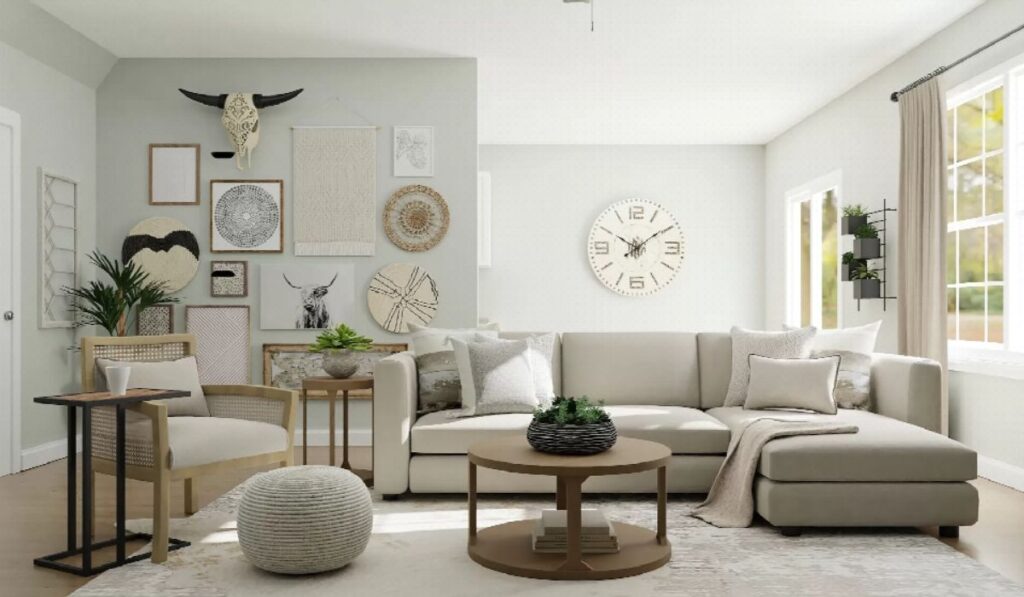

There’s a particular kind of charm in an older coastal home, the timber finishes, the slightly uneven layout, a garden that’s clearly been tended for decades, all of it just a short walk from the sand. It’s easy to see why people fall for these places. What’s less visible, until someone starts pulling back a wall or lifting old flooring, is what the coast has quietly been doing to the building itself the whole time. Salt-laden air, moisture, strong winds, and shifting temperatures all take a toll over the years, and a fresh coat of paint or new flooring won’t do much to fix problems sitting underneath.
For homeowners around Newport and the Northern Beaches, understanding what’s actually going on with an older property is worth doing before any renovation plans get drawn up. Waterproofing, drainage, timber deterioration, corroded fittings, these tend to need attention well before anything decorative gets touched. Property owners exploring Newport and Northern Beaches services by Grand Solution Projects can look into proper building and renovation assistance when weighing up improvements to a home like this. Taking that broader view tends to mean the work actually holds up, rather than just looking good for a season or two.
Coastal Conditions Wear Building Materials Down Faster
Properties near the coast sit under constant exposure to conditions that most inland homes never have to deal with. Salt carried in on sea breezes settles on exposed metal, roofing, fasteners, balustrades, outdoor fixtures, and once it mixes with moisture, corrosion tends to speed up considerably. How much exposure a particular property gets depends on its distance from the shoreline, the surrounding landscape, the prevailing winds, and how much protection the building’s own design offers.
Timber takes a beating too. Repeated cycles of soaking up moisture and drying out can lead to movement, cracking, or outright deterioration wherever the protective finish has worn thin. External paint, sealants, and cladding all lose effectiveness with age in the same way. Repainting or replacing what’s visible can freshen things up, but if there’s moisture damage sitting underneath, that needs sorting first. A proper inspection tends to be the only reliable way to know what actually needs maintenance, repair, or outright replacement.
Hidden Moisture Can Mean Real Structural Repairs
Moisture is probably the single biggest thing to think about with an older coastal home. Water gets in through damaged roofing, failed flashing, poorly sealed windows, or defects in the external walls, and plenty of the resulting damage stays hidden behind plasterboard, under the flooring, or up in the roof cavity. Peeling paint, discoloured ceilings, a musty smell, warped materials, these often show up well before anyone connects them back to the actual source.
Painting or refinishing over moisture-damaged surfaces tends to hide the symptoms without touching the problem. If water’s still getting in, a freshly renovated room can start deteriorating all over again, which usually means paying for the same fix twice. Depending on how bad things are, sorting it out might mean replacing damaged materials, repairing the waterproofing, or fixing whatever’s letting water into the building envelope in the first place. Where structural timber’s been affected, a proper professional assessment matters more than almost anything else on the list. Finding and fixing the source of the moisture really should come before anything cosmetic gets started.
Ageing Roofs and External Components Need a Proper Look
A roof does a lot of quiet, unglamorous work protecting a home from rain, wind, and everything the coast throws at it. Over time, roofing materials, flashings, gutters, and everything attached to them wear down with age, weather, and whatever maintenance they did or didn’t get along the way. Coastal winds put extra strain on exposed roof elements, and salt deposits tend to go after certain metal components in particular. Older homes often carry a patchwork of past repairs too, which can muddy the picture of how the roof’s actually holding up.
Before sinking money into interior work, it’s worth checking whether the roof and the rest of the building’s exterior are genuinely doing their job. Water getting in through a damaged roof can work its way into ceilings, insulation, wall cavities, and interior finishes without anyone noticing straight away. Replacing plasterboard or repainting a ceiling without fixing the roof above it tends to just set the stage for the same problem to come back. A proper roof assessment is really the only way to know whether a targeted repair will do, or whether something more extensive is needed. Keeping the exterior in good shape protects whatever work gets done inside.
Poor Drainage Causes Ongoing Damage Quietly
Good drainage matters a lot more on a property that cops heavy rain and shifting weather. Older coastal homes often have drainage systems that have deteriorated, clogged up, or simply stopped managing runoff the way they used to. Blocked gutters, damaged downpipes, and stormwater running the wrong way can let water build up near external walls, foundations, and garden beds. Over time, that kind of persistent dampness tends to chip away at the building, often quietly enough that nobody notices until it’s a bigger job.
Drainage problems don’t always show themselves in dry weather, which makes them an easy thing to miss when renovations are being planned. Pooling water that keeps coming back, damp patches under the floor, erosion, moisture creeping up external walls, these are all worth a closer look. Fixing drainage issues might mean cleaning or repairing what’s already there, improving how surface water’s managed, or adjusting stormwater connections where needed, with any changes checked against local requirements first. Thinking about drainage early in the planning stage tends to save a lot of water-related grief later.
Older Homes Often Carry Outdated Building Systems
A lot of established homes have been through repairs, extensions, or alterations over several decades, which means plumbing, electrical work, insulation, and other building components can end up a real mixed bag of ages and conditions. Some of it may have been installed to standards that no longer apply, or simply doesn’t suit how the home’s actually used now. None of that automatically means it’s unsafe, but it’s worth understanding before diving into a big renovation.
Renovating a kitchen or bathroom, for instance, often uncovers ageing pipework, failing connections, or waterproofing that was never quite adequate to begin with. Changing a room’s layout or adding modern appliances can mean an electrical upgrade too. Dealing with these while the walls and floors are already open tends to be a lot more practical than going back in once the decorative work’s finished. Licensed tradespeople should handle the plumbing and electrical side, and structural changes generally need engineering input and the right approvals. Coordinating all of it properly tends to make for a home that’s actually functional, not just freshly painted.
Renovations Should Balance Character With Modern Performance
One of the trickier parts of renovating an older coastal property is holding onto what makes it special while still improving comfort and durability. Original architectural details, timber features, and an established layout often account for a lot of the home’s appeal. But some of those original elements may need restoring, reinforcing, or replacing before they’re genuinely fit for everyday use again. A renovation that actually works tends to come down to knowing what’s worth keeping, and where a modern material or method offers a real practical upgrade.
Better insulation, the right window systems, proper waterproofing, and more durable external finishes can all lift a property’s performance considerably. Material choice matters even more in a coastal setting, where salt, moisture, and sun exposure shape how much upkeep something will need down the track. Worth weighing how well a new material actually suits the existing construction, rather than picking purely on looks. A bit of thoughtful planning tends to keep the character intact while still addressing what coastal living genuinely demands of a building.
A Detailed Assessment Prevents Renovation Surprises
Renovations have a way of getting complicated once the walls come off and something unexpected turns up. Pulling out old wall linings, flooring, or fixtures can reveal moisture damage, deteriorated framing, old installation shortcuts, or other issues nobody saw coming during the planning stage. Discoveries like that can shift the budget, the timeline, and the overall scope of the job. Not every hidden problem can be caught in advance, but a proper assessment goes a long way toward cutting down the uncertainty.
Before major renovation work begins, it’s worth looking closely at the roof, the external walls, the drainage, whatever structural components are accessible, and the relevant building services. Depending on the property and the scope of work, that might mean bringing in builders, licensed tradespeople, building inspectors, or structural engineers. Setting a realistic budget that leaves room for unexpected repairs matters too, particularly with an older property. Planning around the building’s actual condition, rather than its appearance, tends to help homeowners prioritise what genuinely matters and make better calls along the way.
Worth Getting Right From the Start
Older coastal homes offer a kind of character and setting that’s genuinely hard to replace, but their age and years of coastal exposure can bring maintenance challenges that go well beyond how the place looks. Corrosion, moisture damage, an ageing roof, drainage issues, outdated systems, all of it can affect how a property holds up long term. Cosmetic work might lift the appearance, but it won’t hold its value if the problems underneath are left alone.
A renovation that actually works starts with understanding the building’s real condition and working out what genuinely needs attention first. Dealing with structural concerns, moisture issues, and essential systems before anything decorative gets started tends to save a lot of disruption down the line. With the right planning, suitable materials, and proper professional input, it’s entirely possible to keep an older coastal home’s character intact while making it safer, more comfortable, and built to last a good while longer.

