

Winter is hard on a backyard. The grass goes patchy, the beds fill with weeds you swore you pulled in autumn, and every tree seems to drop half its leaves across the paths. Then spring turns up almost overnight and suddenly there’s a long list of jobs staring at you every time you look out the window.
The good news is that a yard bounces back fast once the weather warms up. A bit of early effort now sets you up for a garden that actually looks decent through summer, instead of one you’re fighting all season. Here’s a sensible order to work through it, and a few honest notes on where it makes sense to grab the gear yourself and where it’s smarter to hand the job to someone who does it every day.
Look Up First: Start With the Trees
Most people head straight for the lawn in spring. Start with the trees instead. They’re the biggest thing in the yard and the one part that can actually hurt you or your house if it’s left too long.
Walk the block and look up. You’re checking for a few things. Dead limbs that never leafed up. Branches rubbing on the roof or the gutters. Any lean that’s crept in over winter, especially after a run of wet weather when the ground goes soft and the roots lose their grip. Gums are notorious for dropping big limbs with no warning once they get stressed, so give any large eucalypt a proper look.
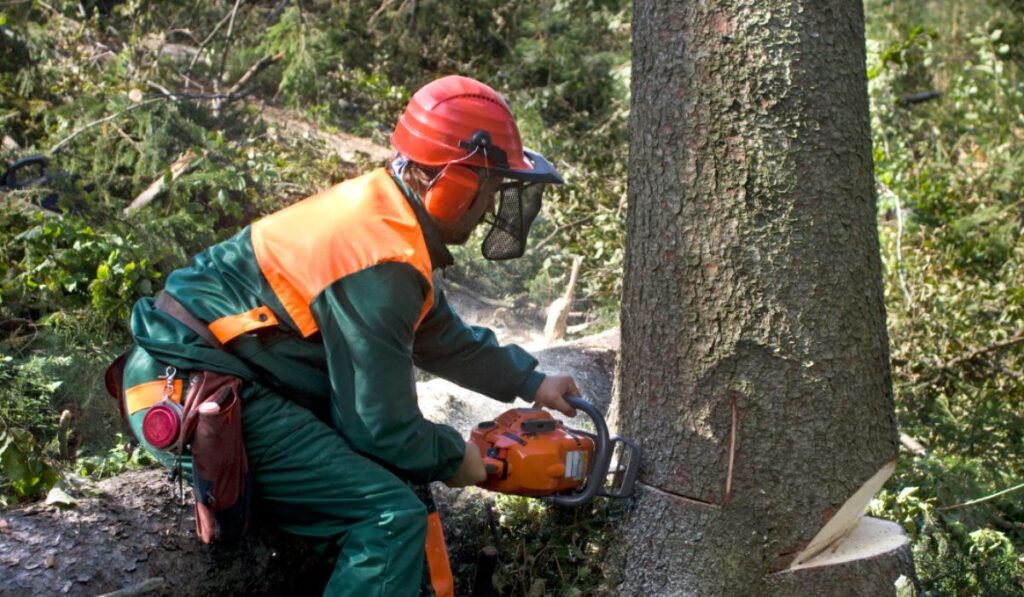
Light pruning you can handle from the ground with a decent pole saw. A snapped branch here, a bit of shaping there, no drama. The moment you’re thinking about a ladder, a chainsaw, and a branch over the house, stop. That is exactly the point where a professional tree services crew earns their money. They turn up with the right rigging, take limbs down in sections so nothing lands where it shouldn’t, and clear the mess before they leave. Tree removal, canopy thinning, stump grinding once the trunk’s gone, storm cleanup after a windy night, emergency callouts when something comes down across the driveway. All of it is far cheaper than a trip to hospital or a new roof, and a good crew will tell you honestly whether a tree needs work at all or is fine as is.
If you’ve had a stump sitting in the lawn for a year, spring’s a good time to deal with it too. Grind it out, backfill the hole, and you get that corner of the yard back for turf or a garden bed.
Then the Beds and the Lawn
With the trees sorted and the offcuts cleared, the ground work is a lot easier.
Weeds come first. They grow faster than anything else in early spring and they’re stealing water and feed from everything you actually want. Get in before they seed. A morning on your knees now saves you a month of chasing them later. Once the beds are clear, top them up with a fresh layer of mulch. Mulch locks in moisture, keeps the soil temperature steady, and smothers the next round of weeds before they get going, which is half the battle through a hot Sydney or Melbourne summer.
Hedges and shrubs want a tidy up next. A light trim keeps them dense and shaped rather than leggy, and it’s a lot less painful than trying to reclaim an overgrown hedge in January. Edge the beds and the paths while you’re at it. Clean edges make even a scruffy lawn look cared for, which is a cheap trick that works every time.
The lawn itself responds well to a bit of attention now. Rake out the dead thatch, aerate any compacted patches, feed it, and keep the water up as the days heat up. Bare spots can be over sown or patched with turf.
This is also the season where a lot of people quietly wave the white flag. Between work, kids, and everything else, the yard slides down the list, and by the time you get to it the job’s doubled. There’s no shame in that. Plenty of people just search for local gardening help and hand the regular upkeep to a team who mow, weed, mulch, trim the hedges, and keep the beds looking sharp on a schedule. If you’re in Sydney, a team of trusted local gardeners can cover the lot, from one off spring cleanups to fortnightly garden maintenance, so you get your weekends back and the garden still looks the part.
Knowing When to DIY and When to Call Someone
The line is simpler than people make it.
Do it yourself when the job is low and slow. Weeding, mulching, light pruning you can reach from the ground, mowing, edging, planting. None of that needs a specialist. It needs a free Saturday and a bit of elbow grease.
Bring in a pro when height, weight, or machinery is involved, or when the job just keeps getting away from you. Big tree work is the obvious one. So is a garden that’s gone properly feral, a full landscape redo, laying new turf across a decent area, or ongoing maintenance you genuinely don’t have time for. Paying someone isn’t a failure. It’s usually cheaper than buying a tool you use once, and the finish is better.
The other honest reason to call someone is safety. Working at height, running a chainsaw, moving heavy stone or soil. If you’re not set up for it and confident, that’s a good day to let an insured crew handle it.
A Simple Spring Order of Operations
If you want the short version, work through it in this order and each step makes the next one easier.
Clear the trees first, so nothing’s dropping limbs or leaves onto ground you’re about to work on. Pull the weeds while the beds are still exposed. Mulch straight after, while the soil’s clean. Trim the hedges and edge the beds. Sort the lawn last, once everything above it is done and there’s nothing left to fall on your fresh turf.
Do it in that order and you only handle the mess once. Do it backwards and you’ll be raking tree litter off a lawn you just fed.
The Takeaway
Spring is the one window where a bit of early work pays off all summer. Get the trees safe and shaped, clear and mulch the beds, tidy the hedges, and give the lawn a feed. Handle the low stuff yourself and call in a crew for the tall, heavy, or never ending jobs. A yard that gets a proper reset in September looks after itself far better through the months when you’d rather be sitting in it than working on it.


