

Planning a trip is the fun part. Finding the hotel is where that feeling usually runs out. One site shows a tempting number, another buries breakfast in the fine print, a third has free cancellation nobody mentioned upfront — and after a dozen open tabs, it’s genuinely hard to remember which one was actually the good deal.
That’s really why hotel comparison earned a permanent spot in my travel routine, rather than something I do once and hope for the best.
Instead of working through booking sites one at a time, everything starts with Trivago. It pulls together accommodation offers from multiple booking providers into one place, which matters because trivago itself isn’t a booking site — it’s a metasearch platform. Once an offer is selected, the traveller gets redirected to whichever provider is actually responsible for the reservation and the payment.
Here’s the routine that gets me to a hotel that fits both the budget and the kind of trip it’s actually meant to be.
Before I Even Open a Search Bar
The search doesn’t start with a website. It starts with a short list: the maximum nightly budget, the area worth staying in, guest and room count, whether free cancellation actually matters this time, and anything non-negotiable like breakfast, parking, or Wi-Fi. Distance from whatever the trip is actually about — attractions, transport, a conference venue — goes on that list too.
Skipping this step is how people end up picking a hotel because the headline price looked good. A cheaper room three suburbs away from everything can quietly cost more once transport gets added in. Meanwhile the slightly pricier option with breakfast, parking, and a decent location can end up being the actual bargain. The goal was never the lowest number on the screen — it’s the most sensible stay for the total cost.
Exact Dates, Exact Guests, No Shortcuts
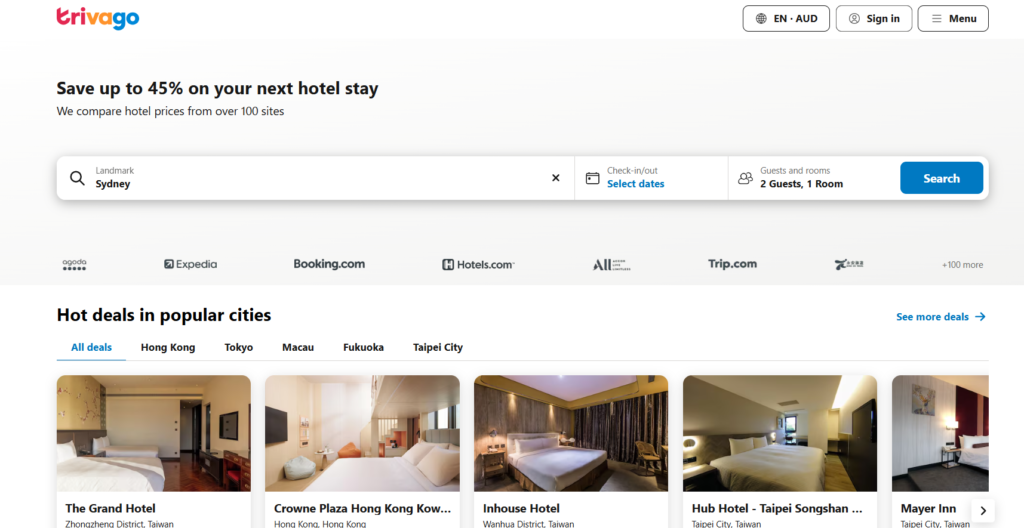
Destination, exact travel dates, and guest count go in before anything else. Hotel pricing shifts with occupancy, availability, and the specific stay period, so browsing with vague dates and assuming the number will hold later is a mistake worth avoiding.
From there it’s photos, guest feedback, and offers side by side from different providers, with trivago’s filters, sorting, and map search doing most of the narrowing. Nothing gets booked at this stage — this is just building a shortlist.
I Check Nearby or Flexible Dates
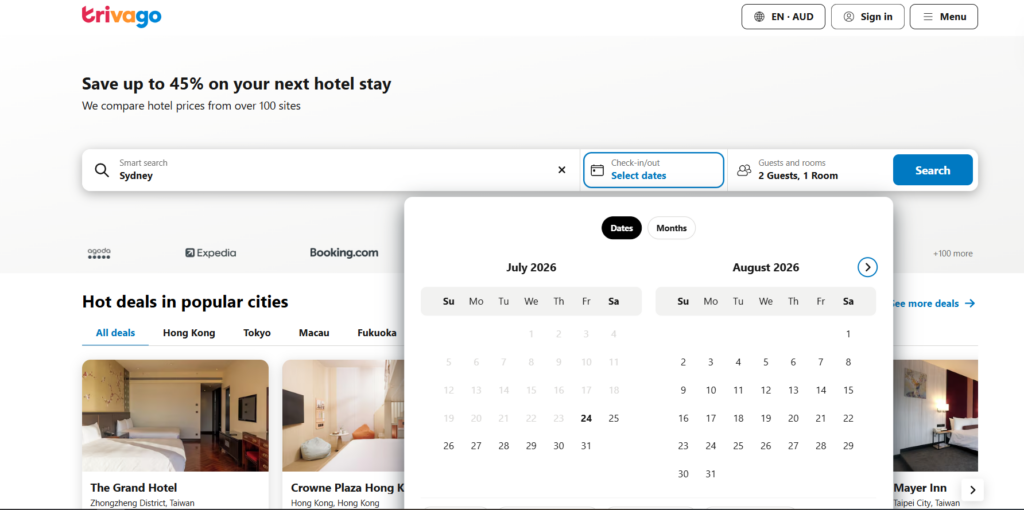
When the schedule has any give in it, the same search runs again with the dates nudged slightly. Moving a trip by a day or two can surface a completely different set of rates — weekends, holidays, festivals, conferences, and general seasonal demand all move the number more than people expect.
Three combinations get tested as a minimum: the preferred dates, one day earlier, one day later. A shorter or longer stay gets compared too when it’s relevant, because a great nightly rate means nothing if stretching the booking quietly inflates the total. It takes a few extra minutes, but it’s the difference between a genuinely competitive price and one that just looks that way because of an expensive travel date.
Filters Come Before the Photos Do
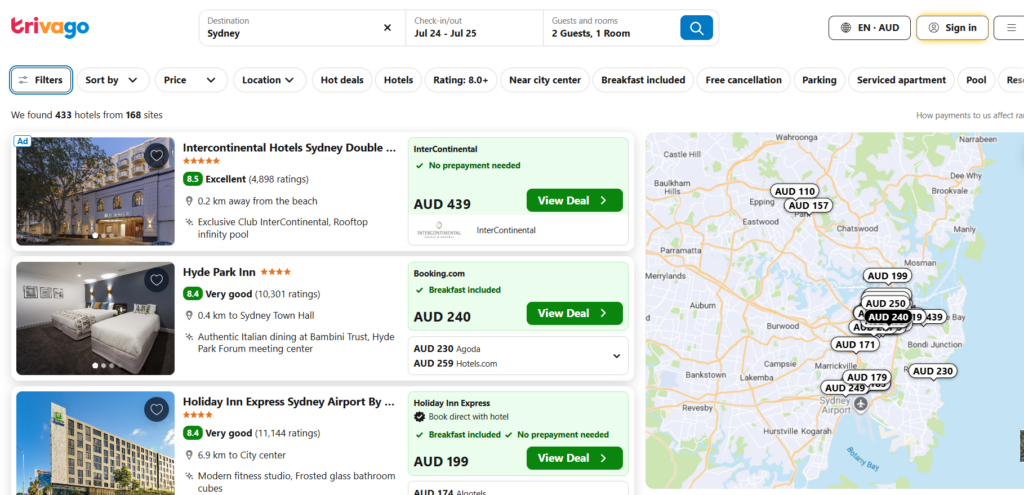
Good hotel photography is persuasive, and that’s exactly the problem. A stylish lobby doesn’t matter much if the property is missing something that actually matters for the trip.
Filters get applied before individual hotels get any real attention — price range, guest ratings, free cancellation, breakfast, parking, air conditioning, Wi-Fi, a pool, pet-friendliness, or a particular property category, depending on what the trip actually needs. Trivago’s search tools can prioritise by price, rating, or distance, with additional filters covering things like spa facilities or pet-friendly stays. Filtering early turns a few hundred hotels into a manageable, actually comparable shortlist.
The Map Tells a Different Story Than the Listing
Location is where hotel research goes wrong most often. “Near the city centre” means something different in every destination, so the map gets checked directly against wherever the trip is actually centred — attractions, restaurants, and transport for a leisure trip; the office, venue, or airport for a work one.
Trivago’s map lets that search happen around a specific point rather than a generic city marker, though the default distance setting often starts from the city centre by default, so it’s worth confirming the reference point actually matches the plan. A well-located hotel quietly saves money and time on transport, even when that saving never shows up in the room rate itself.
I Compare Several Offers for the Same Property
The same room, booked through different providers, rarely comes with the same conditions attached. Before settling on one, it’s worth checking room type, bed configuration, cancellation deadline, payment timing, whether breakfast is included, taxes and extra charges, how many guests are actually covered, refundability, and which provider is handling the booking.
A lower price often comes attached to a non-refundable room, while a slightly higher one might include real flexibility. For anything uncertain, paying a little more for that flexibility is usually the smarter call. Comparing price without comparing the conditions underneath it isn’t really comparing anything.
Reviews Are Only Useful With a Question in Mind
No hotel has a perfect review record, and that’s not really the point. What matters is the pattern. One complaint about noise is probably nothing. Twenty recent ones about the same thing deserve attention — same logic applies to cleanliness, service, Wi-Fi, breakfast, or room condition.
The reviews worth reading are the ones relevant to the actual trip — room size and family-friendliness for one traveller, internet reliability and workspace for another. Read without a specific question in mind, every hotel starts looking either flawless or disastrous, and neither is useful.
I Visit the Booking Provider Before Paying
After an offer’s chosen, trivago hands off to the booking provider to finish the reservation — and since the actual agreement sits with that provider, not trivago, the final page gets a proper check before any payment details go in. Hotel name and address, check-in and check-out dates, guest count, room category, cancellation policy, meal plan, final currency, taxes and fees, total amount due, payment schedule — all of it gets confirmed against what was originally selected.
Rates and availability can shift, and the final booking page sometimes shows things slightly differently from the comparison results — trivago itself recommends double-checking the checkout details before paying. If something’s off, it’s worth going back to the search rather than pushing through anyway.
Knowing Who’s Actually Handling the Booking
A good rate only matters if there’s actual comfort with the company managing the reservation behind it. Before booking through an unfamiliar provider, it’s worth checking their cancellation process, support options, payment security, and general reputation — and worth remembering their name, since they’re the ones to contact for anything involving payment, confirmation, changes, or cancellation later.
That distinction matters more than it seems. trivago helps compare the offers; the provider selected at checkout handles everything that happens afterward. Knowing which is which ahead of time avoids a lot of confusion if something needs sorting out later.
I Keep Proof of the Reservation
Once booked, the confirmation email gets saved and the final reservation details get screenshotted — booking provider, confirmation number, hotel contact details, cancellation deadline, room type, included services, final price, and payment status, all kept together.
A few days out from travel, it’s worth contacting the hotel directly to confirm the booking actually appears in their system, especially when it went through a third-party provider. That last check costs nothing and leaves enough time to fix a problem before it becomes one at the front desk.
Why This Routine Works for Me
The routine works because it replaces impulse with comparison. The first offer never gets assumed to be the best one — different dates get checked, unsuitable properties get dropped, location gets studied properly, room conditions get compared line by line, and the final checkout page gets read before paying, not after.
Trivago makes that research stage faster by putting offers from a wide range of booking providers into one place, but it’s only one part of the process. The property, the offer, and the company completing the booking all still need actual evaluation.
The best hotel deal is rarely just the cheapest room on the page — it’s the one that gets the balance right between price, location, comfort, flexibility, and reliability. That balance, more than any single price, is the actual point of the routine: compare first, verify everything, and only book once the whole offer makes sense.