
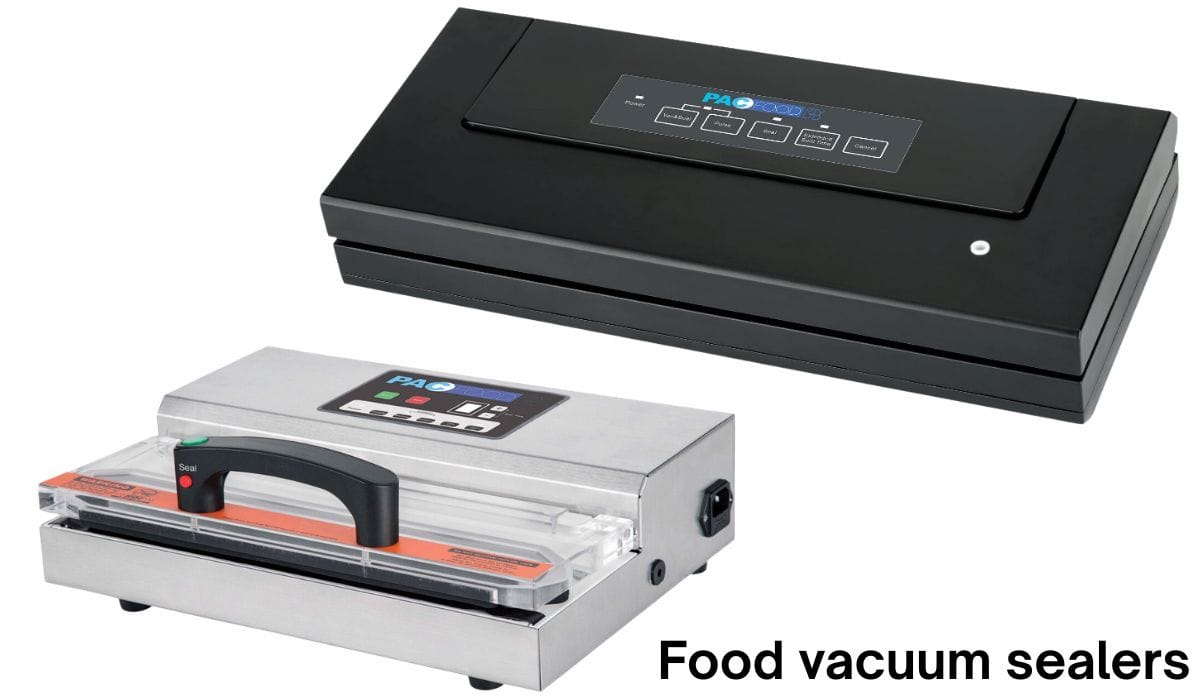

Something has changed in the way people manage food at home. It has happened gradually, without announcement, in the back corners of fridges and the deeper shelves of freezers. The weekly shop that used to disappear within a few days now gets stretched further. Leftovers get portioned and stored with more intention. Ingredients bought in bulk get divided and preserved rather than pushed to the back and forgotten. In many kitchens a vacuum sealer machine has quietly moved from occasional-use appliance to something that earns its counter space every week.
It is a quiet shift but a real one.
Why Food Waste Has Become a Key Household Concern
Food costs have risen enough that throwing something away feels different than it used to. A bunch of herbs that wilted before it got used, a piece of meat that went off two days before anyone got around to cooking it — these feel less like minor inconveniences and more like avoidable losses.
That change in feeling has changed behaviour. People are paying more attention to how things are stored and they are asking more of their storage methods than they used to.
The Shift From Short-Term to Longer-Term Planning
The old rhythm was simple. Buy groceries, use them within a few days, repeat. It worked when the focus was convenience rather than efficiency. That rhythm has slowed and extended in a lot of households.
Batch cooking, bulk buying, preparing ingredients on a weekend for the week ahead — these habits require food to stay genuinely fresh for longer than a day or two. The storage methods that worked for short cycles do not always hold up under that kind of extended use.
How Freezing Alone Is No Longer the Only Solution
Freezing is still useful. It is just not the complete answer it once seemed to be. Freezer burn changes the texture of meat. Ice crystals damage delicate vegetables. Space runs out faster than expected when everything goes into the same large bags.
The limitations have pushed people toward preservation methods that work alongside freezing rather than replacing it — approaches that protect quality rather than just extend shelf life.
The Role of Airtight Storage in Preserving Freshness
Air is what spoils most food. Oxygen accelerates oxidation, moisture escapes, flavour deteriorates. The less air in contact with food the longer it holds its quality — its taste, its texture, its nutritional value.
Airtight storage has moved from a niche concern to a practical standard in kitchens that take food management seriously. It is not complicated as a principle. The difference it makes is simply more visible now that people are planning further ahead.
How Meal Preparation Habits Have Evolved
Cooking every night from scratch works for some households and simply does not work for others. Preparing in advance has become a practical solution rather than an aspirational one — ingredients chopped and stored, full meals portioned out, proteins marinated and ready to cook.
That kind of preparation needs storage that holds up. Food prepared on Sunday needs to be genuinely good on Thursday, not just technically edible.
The Growing Popularity of Portion Control and Bulk Storage
Buying in bulk makes financial sense but creates its own problem. A large quantity of something needs to be divided into portions that can actually be used without waste. An entire bag of chicken thighs, a kilogram of coffee beans, a bulk purchase of cheese — none of these keep well in their original packaging once opened.
Portioning into smaller usable quantities and storing them properly has become a natural extension of bulk buying. It is the part of the process that makes bulk purchasing actually work over time rather than just saving money on day one.
Why Convenience and Efficiency Now Go Hand in Hand
There was a time when efficiency in the kitchen felt like extra effort. The more considered approach to food storage that is emerging does not actually feel like more work once it is established — it tends to reduce the daily decisions and last-minute scrambles that make weeknight cooking stressful.
Storage methods that extend freshness and reduce waste simplify the routine rather than adding to it. That is the quality people are looking for now.
How Preservation Tools Fit Into Everyday Kitchen Use
For households that batch cook, buy in bulk or want to extend the life of fresh produce and proteins, removing air from storage bags or containers makes a tangible difference. Meat stays better in the freezer without freezer burn. Cheese keeps longer in the fridge. Prepared portions hold their quality for longer than any other method manages.
It does not replace good shopping habits or thoughtful meal planning. It supports them — which is the most useful thing a kitchen tool can do.
A Shift Worth Paying Attention To
Food storage is one of those domestic details that rarely gets discussed directly but shapes a household’s daily life more than most people realise. The shift toward longer-term planning and more careful preservation reflects something broader — a growing awareness that efficiency at home has real value and that the tools which support it are worth taking seriously.
The kitchens that manage food well tend to waste less, spend less and operate with less daily friction. That is a quiet kind of return on a small change in habit.