
A few months ago, I was standing in front of my wardrobe holding a wool jumper I hadn’t worn in over a year.
It wasn’t damaged. It wasn’t ugly. It was just… done, in my mind. I’d moved on from it. But throwing it in the bin felt wrong, donating it felt like passing the problem on, and I had no idea there was actually a third option.
That third option turned out to be Woolrec. And I genuinely haven’t stopped thinking about it since.
What Woolrec Actually Is — In Plain English
I know “wool recycling” might sound overly technical, so let me explain it the way I wish someone had explained it to me.
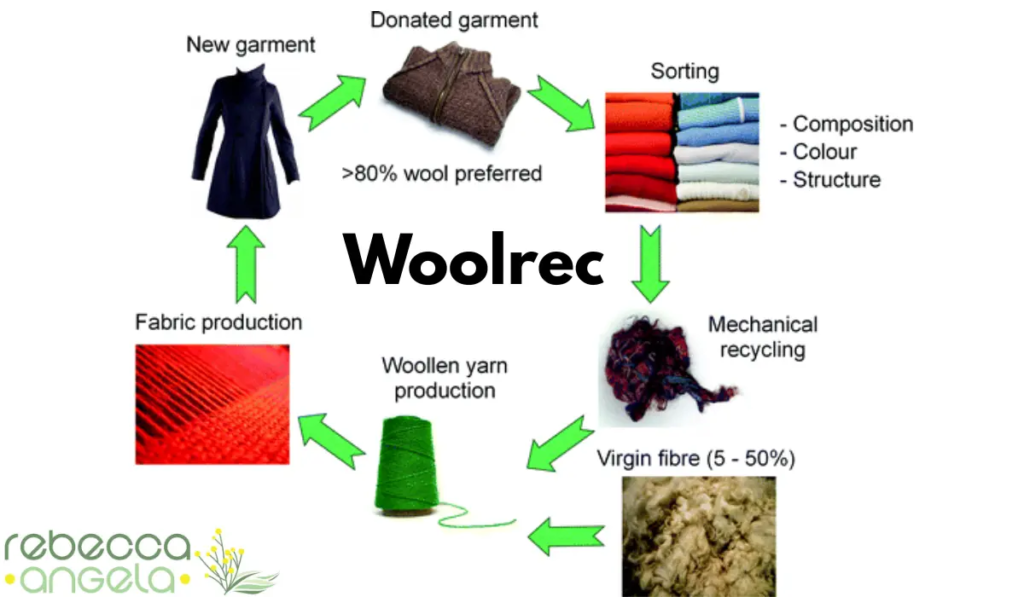
Woolrec is a process that takes old wool clothing — jumpers, scarves, blankets, coats — and instead of letting them end up in landfill, it breaks them back down and respins them into fresh yarn. That yarn then gets woven into new fabric. New garments. New life.
The end result feels just as soft and warm as anything made from brand new wool. You genuinely cannot tell the difference. Except behind the scenes, far less water was used, far less energy was spent, and no new raw materials had to be pulled from the earth to make it happen.
When I first read about it, my honest reaction was — why did it take me this long to hear about this?
Why I Was Skeptical at First — And What Changed My Mind
I want to be upfront about something. I’ve been burned before by “sustainable fashion” claims that turn out to be mostly clever marketing with very little substance underneath. So when I first came across Woolrec, I didn’t just take it at face value.
I looked into it properly. I read about the process. I thought about whether it actually made logical sense.
And it does. It really does.
Wool is a natural fibre, yes — but that doesn’t automatically make it guilt-free when it ends up in landfill years before it needed to. All that water, all that energy, all those resources that went into making the original garment — wasted. Woolrec catches it before that happens. It’s not complicated. It’s not revolutionary in some grand technological sense. It’s just sensible in a way that the fashion industry has been surprisingly slow to embrace.
That simplicity is actually what won me over.
How to Tell If a Wool Product Is Actually Recycled
This is something I really wish more people talked about — because once you start looking for recycled wool, you quickly realise that not everything labelled “sustainable” actually is. Here’s what I’ve learned to look for, kept as simple as possible.
Check the label for these words. Recycled wool products will usually say “recycled wool,” “reclaimed wool,” or “regenerated wool” directly on the care label or product tag. If it just says “wool” or even “pure wool,” it’s likely virgin fibre — not recycled.
Look for certifications. The Global Recycled Standard (GRS) is one of the most recognised certifications for recycled materials including wool. If a brand carries this certification, it means their recycled content claims have actually been verified by a third party — not just self-reported.
Ask the brand directly. This sounds simple, but it works. Brands that genuinely use recycled wool are usually proud of it and happy to tell you exactly where their fibres come from. If a brand goes quiet or vague when you ask, that tells you something too.
Watch the price. Recycled wool done properly isn’t cheap. If a product claims to be made from recycled wool but is priced the same as fast fashion, it’s worth questioning. Quality recycled fabric takes real effort and real process — and that’s reflected honestly in the cost.
Research the brand’s values. Brands that genuinely care about sustainable materials tend to show it consistently — in how they talk about their supply chain, their production process, and their overall philosophy. It’s rarely just one product in isolation. It’s a whole way of thinking.
Once you know what to look for, it becomes second nature. And it makes shopping feel a lot more informed and a lot less like guesswork.
The Thing That really Surprised Me Most
Here’s the part I didn’t expect to feel anything about — but I did.
When you wear something made through Woolrec, the fibres you’re wrapped in had a life before yours. They kept someone else warm. They were part of something that mattered to someone, somewhere, before finding their way into something new.
I know that might sound a little sentimental. But I think there’s real meaning in it. We spend so much time treating clothes as disposable — things we use for a season and then forget — and there’s something quietly powerful about a process that says, no, this still has value. This still has somewhere to go.
It shifted something in me, honestly. Not in a dramatic way. Just in that slow, gradual way where you start seeing things a little differently and can’t quite go back.
How It’s Changed the Way I Actually Shop
I’m not going to pretend I’ve completely overhauled my shopping habits, because that would be a lie. I still make impulsive purchases sometimes. I still own things I probably don’t need.
But since learning about Woolrec, I pause more. I ask more questions. I look at labels differently. I think about whether something is built to last or built to be forgotten in six months.
And the interesting thing is — that shift hasn’t made shopping feel like a chore. If anything, it’s made it feel more satisfying. When I choose something thoughtfully, I wear it more. I care for it better. It means more to me.
That’s what conscious fashion looks like for me in real life. Not perfection. Just a little more intention than before.
My Honest Take on woolrec
Woolrec isn’t going to single-handedly fix the fashion industry. The problems run deeper than any one solution can solve — and I think we all know that.
But it represents something genuinely hopeful. The idea that we don’t have to keep accepting waste as inevitable. That smart, simple thinking can recover real value from what we’ve already made. That style and sustainability aren’t actually in conflict — they just need a little more creativity to coexist.
I believe that. And finding things like Woolrec makes it easier to keep believing it.
I’d Really Love to Hear From You
If you’ve made it this far, thank you — it means you actually care about this stuff too, and that matters more than you know.
Have you come across Woolrec before? Have you ever checked a label and been surprised by what you found? Make a comment below — I would every single one and I genuinely love hearing how other people are navigating this stuff.
And if this post helped you in any way, share it with someone who might appreciate it. These conversations are worth having.


