
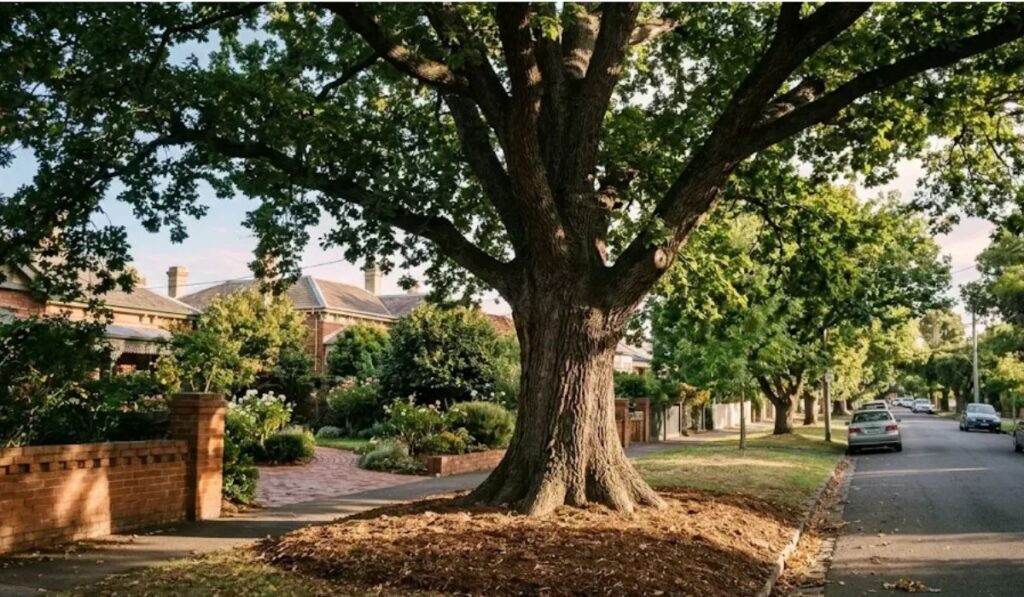

Walk down almost any street in Hawthorn after a hot afternoon and you’ll notice it straight away: the temperature drops under the canopy. An old elm or oak does a lot of quiet work, giving shade, sheltering birds and possums and giving a neighbourhood its character. It’s also easy to forget that a tree that big is a living structure, and that looking after it takes more than an occasional prune.
Established trees are part of what makes Melbourne’s inner eastern suburbs distinctive, from the leafy streets of Hawthorn to the gardens of the surrounding neighbourhoods. Knowing when to seek arborist services in Hawthorn can help residents care for trees responsibly while keeping their properties and the streets around them safe. This guide is general information, and your own tree, council and site will have specific requirements.
Understand the needs of mature trees
Established trees generally need less frequent intervention than young ones, but their size and age make any maintenance more complex. Changes in foliage, dead branches, cracks in the trunk, fungal growth or exposed roots may point to stress or a structural problem.
Regular observation helps, particularly after storms, long dry spells or unusually hot weather. A quick look from the ground, from a safe distance, is enough to start. Not every change calls for pruning, but spotting a problem early can stop a minor concern becoming a serious one.
Large trees can also fail without obvious warning, and branches and whole trees can fall onto homes, cars and people. If a tree looks unstable, is leaning suddenly or has large dead limbs over a house or footpath, get a qualified arborist to assess it. In an emergency, such as a tree down across a road or onto a building, call the VICSES on 132 500, and call 000 if anyone is in danger or powerlines are involved.
Watering and soil care matter
Melbourne’s weather swings between dry spells and heavy rain. Mature trees often have extensive root systems, but a prolonged drought can still affect their health, and stress from drought can make them more vulnerable to pests, disease and branch drop.
During extended dry periods, a deep, slow watering now and then is generally better than frequent shallow sprinkling, though the right approach depends on the species and any current water restrictions. Take care not to compact the soil around the tree through repeated parking, building work or heavy foot traffic, since much of a tree’s root system sits in the upper layer of soil and spreads well beyond the canopy.
Mulching helps retain moisture and moderate soil temperature. Keep mulch away from the trunk itself, because piling it against the bark can hold moisture there. A layer of organic mulch, kept clear of the trunk, is a sensible approach for most trees. Avoid cutting or trenching through large roots when doing building or landscaping work, as it can destabilise or damage the tree.
Prune with care and at the right time
Pruning should have a clear purpose, such as removing damaged branches, improving clearance or fixing a structural issue. Excessive pruning can weaken a tree, spoil its natural shape and expose it to extra stress. Removing too much of the canopy at once is a common mistake.
Avoid cutting large branches unless you understand how the tree is built. Poorly made cuts can leave wounds that a tree struggles to close, and working at height with a chainsaw or ladder carries real risk of injury. Large limbs, work near powerlines and anything above head height are jobs for trained and insured professionals, and work near powerlines must only be done by people qualified to do it.
Before significant pruning or removal, check the rules that apply. Many Victorian councils, including those in the inner east, have local laws or planning controls that protect significant or large trees on private land, and trees on nature strips and public land are usually the council’s responsibility. Penalties for unauthorised work can be substantial, so contact your council before cutting.
Consider wildlife and seasonal changes
Mature trees provide habitat for birds, possums, bats and other wildlife. Before pruning or removing branches, check for nests, hollows and signs of animal activity. Native animals are protected, so if you find an injured or displaced animal, contact a wildlife rescue service such as Wildlife Victoria instead of handling it yourself.
Season also affects when work should be done. Some pruning may suit particular times of year, depending on the species, its condition and the purpose of the job, and nesting seasons can limit when work is appropriate. A local arborist can advise on timing for your tree.
Working with local tree specialists
For anything beyond light maintenance, a professional assessment can help you understand a tree’s condition, identify what it needs and weigh the practical options before committing to major work. An assessment might conclude that pruning is needed, that the tree should simply be monitored, or that removal is the last resort.
Some things are worth checking before you hire anyone:
- Qualifications: Ask about formal arboriculture qualifications and experience with the species and size of tree you have.
- Insurance: Confirm the business holds current public liability insurance, and ask about workers’ cover for staff on site.
- Written quote: Ask for a detailed, written scope of work, including what will be removed and what is included in the price, such as cleanup and green waste.
- Standards: A good arborist will describe the work in terms of recognised pruning practice and explain why each cut is needed, rather than promising to “tidy it all up”.
- Council approvals: Ask who is responsible for permits, and don’t proceed until any required approval is in place.
- A second opinion: For large removals or expensive work, getting more than one assessment is reasonable.
Be wary of anyone who knocks on the door after a storm offering quick, cash-only work.
Keep your trees healthy for the long term
Caring for established trees is about balancing safety, environmental value and neighbourhood character. Observing trees regularly, protecting their roots and avoiding unnecessary pruning are useful starting points, and keeping a few photos over the years can help you spot changes. When concerns arise, getting qualified advice can help residents make informed decisions that support healthy trees and greener streets for years to come,
