

The wind has finally dropped, the rain has eased to a drizzle and the street is littered with branches. It’s tempting to head outside and start tidying up. But the hour after a severe storm is exactly when hidden electrical hazards are most likely to catch people out.
Perth doesn’t see storms as often as some parts of Australia, but when severe weather hits, it can do serious damage. Strong winds, heavy rain and lightning can bring down power lines, flood homes and damage electrical systems in ways that aren’t always obvious. Knowing what to look for can help keep your family safe. Here’s what to watch for, and when to call for help.
If anyone has received an electric shock, there’s a fire, or someone is in immediate danger, call 000 first. Everything below is general safety information and doesn’t replace advice from emergency services, your network operator or a licensed electrician.
Fallen Power Lines
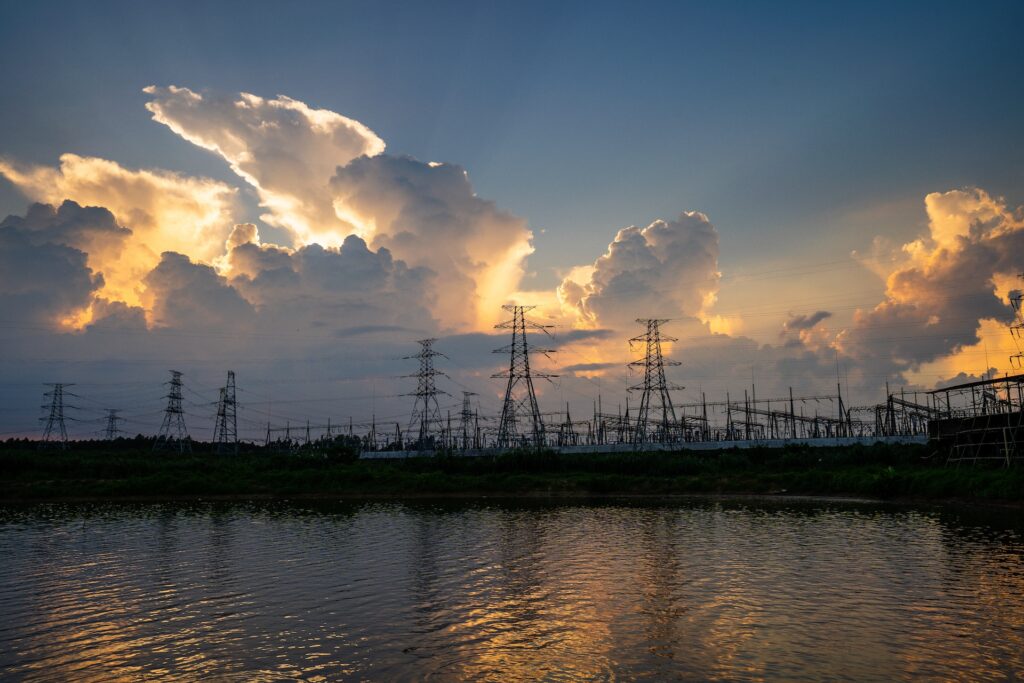
Fallen or low-hanging power lines are among the most dangerous hazards after a storm. Always assume any fallen line is live, even if it isn’t sparking. Keep well away, with at least eight metres commonly advised, and keep children and pets clear. Never try to move a line yourself, and don’t use a branch or tool to do it.
Report fallen lines on public land to Western Power immediately. If a line has come down on your property or onto your house, also call an electrician once the network operator has made the area safe, because your connection and meter box may need inspecting. Don’t approach a car that a line has fallen on, and don’t walk through puddles near a fallen line.
Water in the Home or Switchboard
Flooding and leaks are a major electrical risk. If water has entered your home near power points, appliances or the switchboard, don’t touch anything electrical. Water and electricity together can cause electric shock or fire.
If you can reach the switchboard without standing in water, turn off the main switch. If you can’t, leave the area and call an emergency electrician. Once the water is gone, have the electrical system inspected before you turn the power back on, since wet wiring and appliances can be unsafe even after they’ve dried.
Damage From Fallen Trees and Branches
Strong winds often bring down trees and branches, which can damage the overhead service line connecting your home to the network. They can also pull the connection point away from your roof, damage meter boxes or break outdoor lights and power outlets.
If you notice damage to cables, to the point where the line attaches to your house or to any outdoor electrical equipment, keep clear and arrange an inspection. Exposed or damaged cables can become live hazards, and a tree that’s resting on one may be hiding the damage.
Lightning Strikes and Power Surges
Lightning can send powerful surges through the electrical network and into your home. Surges can damage appliances, electronics, switchboards and wiring, sometimes without visible signs.
After a storm, check whether appliances, chargers and electronics are working properly. Burning smells, scorch marks on power points or appliances that won’t turn on can point to surge damage. Unplug anything affected and don’t keep using it. An electrician can assess your system and talk to you about surge protection for the future.
Tripping Safety Switches
It’s common for safety switches to trip during storms, especially when water gets into outdoor power points or lights. Sometimes you can reset the switch once the storm has passed. If it keeps tripping or won’t reset, that’s a sign of a fault.
Don’t keep resetting a safety switch that trips repeatedly. It’s doing its job by protecting you from a dangerous fault. Call an electrician to find and fix the cause.
Partial Power Loss
If some parts of your home have power and others don’t, or the lights are dimmer than usual, there may be a problem with your connection, switchboard or wiring. Storm damage can loosen connections, which can create heat and raise the risk of fire.
Check whether your neighbours are affected too. If the problem is limited to your property, an electrician should investigate. If the wider area is affected, check Western Power’s outage information first. Don’t ignore a burning smell, warm switchboard or crackling sound, and call 000 if you suspect a fire.
Outdoor Equipment and Solar Systems
Storms can damage outdoor lighting, pool equipment, air conditioning units and solar panels. Water getting in or physical damage to these systems can create electrical hazards. Solar panels can produce electricity whenever there’s daylight, even when the grid power is off.
If your solar panels, inverter or outdoor equipment have been damaged, don’t touch them. Have a licensed electrician or solar specialist inspect them and make them safe. If you’re using a generator during an outage, run it outdoors, well away from windows and doors, and never plug it into a power point in your home, because of the risk of carbon monoxide poisoning and of sending power back into the network.
If you notice any of these hazards, call an emergency electrician who can assess the situation and make the area safe. In Western Australia, electrical work should be carried out by a licensed electrician, so it’s worth confirming the licence before any work starts. Response times in the aftermath of a big storm can be long, so if there’s no immediate danger, staying clear and waiting is better than attempting a repair yourself.
Staying Safe After a Storm
Before a storm, it’s worth knowing where your switchboard is and how to turn off the main switch. Keep a torch, a charged phone and a battery radio handy. After the storm, inspect your property carefully from a safe distance, and avoid any electrical equipment that may be wet or damaged.
When in doubt, get a professional involved. Storm damage isn’t something to take chances with, and an inspection by a licensed electrician helps make sure your home’s electrical system is safe before life gets back to normal.


