
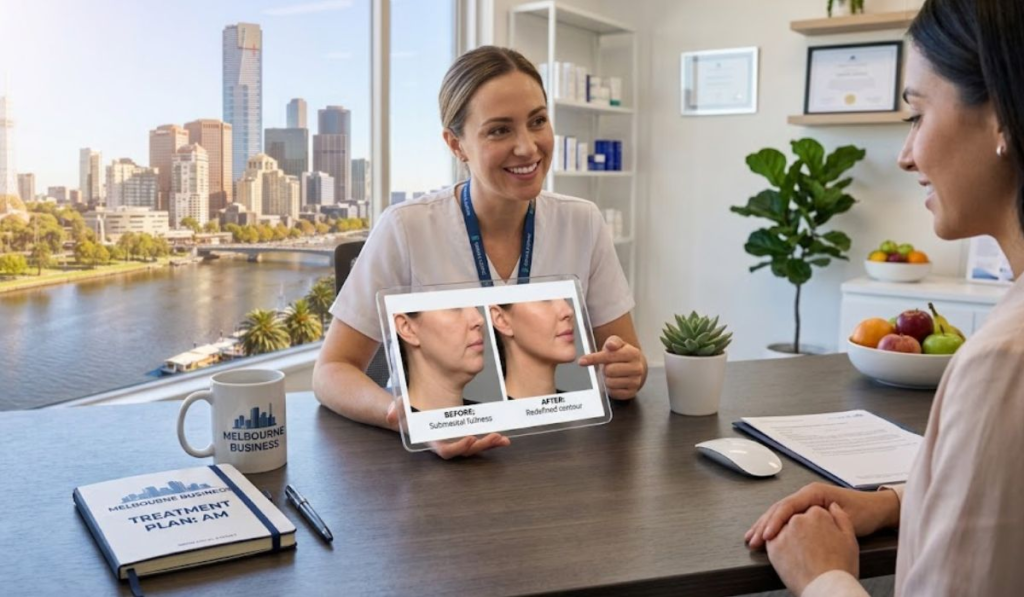

Plenty of people leave a consultation with a quote on a piece of paper and only a hazy idea of what they’ve agreed to. The room was pleasant, the person was friendly, and it felt rude to keep asking. Then the questions arrive in the car park. How many sessions? What if it takes more? Who was actually doing the work?
That first meeting sets the tone for everything after it. It can decide whether the process runs smoothly or ends in surprises about cost, results or recovery. Going in with the right questions turns a sales pitch into an informed decision.
The ten below use tattoo removal as the example, though most apply to any cosmetic or medical procedure. One caution before starting: none of this replaces advice from a doctor or dermatologist, and anyone with a skin condition, a health concern or a medication question should check with one before booking.
What Are the Realistic Outcomes for My Specific Situation?
Generic before-and-after photos look great in a brochure, but they can’t account for skin type, ink density, scar tissue or how old the tattoo is. Ask the provider to assess the specific area and give a frank estimate of the number of sessions and the likely result. Vague optimism isn’t an answer.
It also helps to ask for examples of clients with a similar skin tone, tattoo colour or treatment history. That gives a far more honest picture than stock photography. Keep in mind that complete removal can’t be guaranteed in every case. Some pigments and older or heavier tattoos fade more slowly, and a trustworthy provider will say so before taking a deposit.
What Equipment and Technology Will Be Used?
Not all lasers are the same, and the technology affects both results and safety. Ask which system will be used, how old it is and why it suits the skin tone and ink colours involved. Q-switched and picosecond lasers, for example, work differently and have different ideal uses.
A clinic that can explain its equipment, including how it’s maintained and calibrated, is showing the kind of professionalism that matters once treatment starts. A vague or evasive answer is useful information in itself.
How Many Sessions Will This Likely Take?
Single-session miracles are rare in most cosmetic and medical treatments, so anyone promising one deserves a few follow-up questions. Ask for a range based on similar past cases, plus the usual gap between appointments. Skin needs time to heal between treatments, and rushing that gap is a risk, not a bonus. Because the number affects both budget and timeline, try to get it in writing.
Ask what happens if progress stalls by the midpoint, too. A solid provider will have a plan B and won’t simply repeat the same approach hoping for a different outcome.
What Is the Full Cost, Including Follow-Ups?
A price per session rarely tells the whole story. Ask whether numbing cream, aftercare products or touch-up sessions are included, and what happens if more sessions are needed than first estimated. Clinics that are upfront about the total cost tend to earn more trust than those leading with a low introductory rate.
Payment plans and prepaid packages are worth asking about as well, since many providers discount bundles. Over a multi-month plan the difference can be real. Just read the refund terms on any package before paying, because a prepaid bundle is only a bargain if the treatment is working.
What Are the Risks and Possible Side Effects?
Every procedure carries some risk, whether that’s changes in skin pigment, blistering, scarring or a slower recovery than expected. A trustworthy provider explains these plainly instead of glossing over them. Ask which side effects are common, which are rare and what the clinic does if something goes wrong.
This is also the moment to raise contraindications. Certain medications, skin conditions and recent sun exposure can all affect whether someone is a good candidate. A provider who asks about medical history in detail, rather than skipping straight to the booking, is doing the job properly. If a provider doesn’t ask, volunteer the information anyway.
What Credentials and Experience Does the Practitioner Have?
Credentials and licensing requirements vary by province and by procedure, so ask directly who will perform the treatment and what training they’ve completed. It’s reasonable to ask how many similar procedures they’ve done and for how long. If the rules are unclear, the provincial health authority is the right place to confirm what’s required. A reputable practitioner will answer without hesitation.
For specialised treatments like laser tattoo removal, experience with a wide range of ink colours and skin tones matters more than years in business alone. A newer practitioner with focused, relevant training can sometimes do better than a long-established one with limited experience in that particular procedure. Ask to see evidence of the training, not just a mention of it.
What Does Aftercare Actually Involve?
Aftercare usually gets a quick mention at the end of an appointment, yet it shapes the outcome. Ask what recovery looks like day by day, which products are needed and what to avoid. Sun exposure, swimming and certain skincare ingredients can all interfere with healing, depending on the procedure.
Clinics that treat aftercare as a core part of the process tend to produce better long-term results. When comparing providers, ask each one how they handle it, including a reliable clinics such as Kitchener’s leading tattoo removal clinic, and judge them by how specific and thorough the answers are. Written aftercare instructions to take home are a good sign.
How Is Progress Tracked Between Sessions?
Ask whether the clinic takes photos at each visit and how it measures fading over time. Objective tracking gives a clearer sense of whether the plan is working than a quick visual once-over, and it leaves a useful record if questions come up later about pacing or results. Consistent lighting and angles in those photos make the comparison fairer.
What Happens if Results Don’t Meet Expectations?
It’s an uncomfortable question, but an important one. Find out whether the clinic offers extra sessions, adjustments or refunds if the outcome falls short of what was discussed, and ask for the policy in writing. A clear answer says a lot about how the business stands behind its work.
The best consultations feel less like a sales pitch and more like a conversation between two people solving a problem together. Bring these ten questions, take notes and don’t feel pressured to book on the spot. A good provider will be fine with you going home to think it over, and within the first few minutes you’ll usually know whether they’re the right fit at all.
