
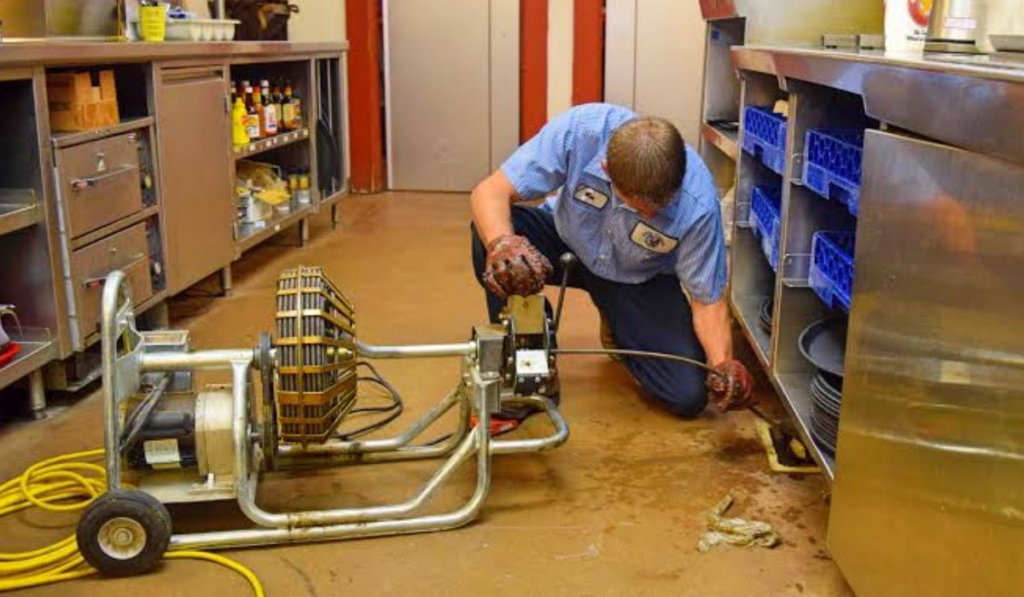

A blocked drain during service is one of the most disruptive and avoidable problems a commercial kitchen can face. Sydney’s food scene depends on busy kitchens. Cafes in Surry Hills, pubs in the Inner West and takeaway shops across the suburbs all produce a steady flow of wastewater loaded with fat, oil and food scraps. Without careful management, that waste can clog pipes, cause odours, prompt health inspections and force a business to stop trading mid-service. For anyone in hospitality, grease management deserves the same attention as food safety and refrigeration.
This guide covers how grease builds up, how trade waste and grease trap obligations generally work in Sydney, which daily practices help and when to bring in a specialist. Requirements differ between sites and change over time, so it points to official sources wherever a business should confirm its own obligations.
Why Commercial Drains Are Different
A home kitchen produces a small amount of grease. A commercial kitchen can produce large quantities every day from fryers, grills, dishwashers and prep sinks. Hot oil flows freely through a pipe, but as it cools it solidifies and clings to the walls, trapping other debris. Layer after layer builds up until water can barely pass.
The consequences extend beyond the business. Fat that enters the public sewer can combine with other materials to form large blockages that are expensive to remove, the same process behind the fatbergs reported in cities around the world. That’s why businesses discharging into the sewer are expected to manage what leaves their premises.
Grease Traps and Trade Waste Rules
A grease trap, also called a grease interceptor, slows the flow of wastewater so that fat and oil float to the top and solids settle at the bottom, letting cleaner water pass through. The principle is described in the overview of the grease trap. Traps range from small units under a sink to large in-ground tanks, depending on the volume of waste.
In Sydney, food businesses connected to the public sewer generally need approval for trade waste, and many are required to install and maintain a grease trap. Sydney Water provides information on trade waste requirements and the obligations of businesses that discharge into its network. Rules can include limits on what may be discharged, requirements for regular servicing and records that must be kept. Failing to comply can lead to penalties, so operators should confirm what applies to their own site directly with the utility, and with the local council where relevant.
A grease trap only works if it is cleaned regularly. Once it fills with fat, it stops capturing waste and starts releasing it into the pipes. Servicing frequency depends on the trap size, the volume of cooking and any conditions in the site’s trade waste approval, but many busy kitchens need attention monthly or more often. Common signs of a full trap include slow drains, strong odours and grease visible in the outlet pit.
A team such as Unblocked Drains Sydney can inspect kitchen lines, clear blockages and advise on ways to reduce repeat problems. Many kitchens only call for help once a drain has already backed up, when a scheduled clean would have avoided the lost trading hours.
Daily Habits That Protect the Kitchen
Good habits reduce the load on the system. Scrape plates and pans into the bin before washing, and wipe greasy surfaces with paper towels. Collect used cooking oil in sealed containers for recycling instead of pouring it down the sink. Fit sink strainers to catch food scraps, and make sure staff know the drain is not a disposal point.
Hot water and detergent do not solve the problem. They simply move grease further along the pipe, where it cools and sets. Chemical drain cleaners are also a poor choice in a commercial setting, since they can damage pipes and harm staff.
Keep a simple maintenance schedule. Record when the grease trap was last cleaned, who did the work and where the waste was taken. These records are useful during inspections and help identify patterns if blockages keep recurring.
What to Check Before Relying on Any Guidance
Because trade waste rules and site conditions vary, it helps to verify a few things independently. Start with your approval and its conditions: confirm whether your business needs trade waste approval and what it says about grease trap size, servicing and record keeping. Check who services the trap, since waste should be removed and transported by an appropriately authorised operator, with documentation of where it went. Confirm that plumbing and drainage work is carried out by appropriately licensed tradespeople. Finally, look at any council, lease or strata requirements, because some premises have additional conditions.
General articles, including this one, can’t replace advice about a specific site.
When to Call a Specialist
Even with good practices, commercial drains eventually need professional attention. High-pressure jetting can remove grease and scale along the length of a pipe, and camera inspections can show where fat is building up or where a pipe has been damaged. Regular preventive cleaning usually costs far less than an emergency during a busy lunch service.
Choose a provider with experience in commercial work, ask about after-hours availability and confirm the technicians are licensed. A written report after each visit is useful for compliance and planning, and it gives you a record to show an inspector if asked.
Keeping the Kitchen Flowing
A healthy kitchen drain is invisible to customers, and that is the point. A working grease trap, tidy daily habits, accurate records and regular servicing let a Sydney food business concentrate on feeding people rather than managing plumbing emergencies. When in doubt about a legal requirement, ask the relevant authority first, and keep the answer on file.

