

It’s a familiar enough story. Earring designs sketched on the back of a receipt, a mate asking where that necklace came from, then family and friends asking to actually buy a piece. A few things go up online, a handful of strangers DM to say they love it, and somewhere in there a sale happens. Then another. Then a third.
That’s usually the point where the question starts forming properly: could this actually become a business. It can. No shopfront needed, no business degree either, just a plan, a bit of paperwork, and the right tools once things pick up. This checklist covers the essentials, from an ABN through to the equipment that eventually makes sense.
Step 1: Get the Legal and Business Basics Right
1. Know who you’re making for
Before a single bead gets bought, it’s worth deciding who the jewellery is actually for. Minimalist everyday pieces, sustainable materials, personalised gifts for bridesmaids and mums, the answer shapes materials, pricing, and the story the brand ends up telling. From there, it’s worth working out what actually sets the work apart, whether that’s the story behind it, the materials used, or simply the precision of the designs.
2. Get your ABN
Anyone serious about selling should apply for an Australian Business Number through the Australian Business Register. There’s no income threshold to clear first, and applying costs nothing. An ABN also tends to make dealing with suppliers and wholesalers noticeably easier.
3. Understand GST
This one trips up a lot of new makers. Sole traders need to register for GST once annual turnover reaches $75,000, though registering earlier is an option if claiming GST credits on business purchases makes sense. Turnover means all business income before expenses, not profit, which is an easy distinction to miss.
Once that threshold’s crossed, there are 21 days to register. Tracking sales on a rolling 12-month basis is worth doing, and a conversation with an accountant is worth having too, since a busy Christmas period can push turnover over the line faster than expected.
4. Follow the Australian Consumer Law
The Australian Consumer Law applies to jewellery businesses the same as anywhere else. Products need to meet consumer guarantees, and the ACCC can ask for any claims made to be substantiated. Any website shown to Australians has to comply, no matter where it’s hosted. A few practical points worth keeping in mind:
- Describe materials honestly. Terms like “sterling silver”, “gold-plated” and “lab-grown” all need to be accurate.
- Don’t let photos mislead. Images that make stones look larger or colours look different from reality are a common source of disputes.
- Don’t sell customers rights they already have. The ACCC has warned jewellers about selling “care plans” that repackage guarantees customers already get under the law.
- Check the industry code. The Jewellers Association of Australia publishes a Code of Conduct for retailers.
5. Start lean on a marketplace
A website isn’t necessary on day one. Platforms like Etsy and Amazon Handmade already come with audiences actively looking for handcrafted gifts. This stage is useful for testing designs and learning what actually sells, and it’s worth focusing on three things:
- Clear, well-lit product photos
- Engaging, accurate descriptions
- Fair pricing that reflects the work involved
Early profits tend to go straight back into better materials, or the first piece of equipment.
6. Launch your own online store
Once there’s some momentum, setting up a dedicated store on something like Shopify starts to make sense. Keeping colours, fonts and tone consistent matters, as does simple navigation and a site that actually works well on a phone, since that’s where most people browse. The payment options Australian shoppers expect should be there too, cards, PayPal, and buy-now-pay-later services like Afterpay.
7. Build your brand, not just your product
As things grow, it’s worth moving toward direct-to-consumer sales, where there’s more control over the customer experience and more of the margin stays in hand. Sharing the story on Instagram, Pinterest, Facebook and email helps, where a design came from, what the workspace looks like, how a piece actually gets made. Niche communities, collaborations with micro-influencers, even a weekend market stall, all of it adds up. People genuinely enjoy buying from the person who made the thing.
Step 2: Choose Tools That Help You Scale
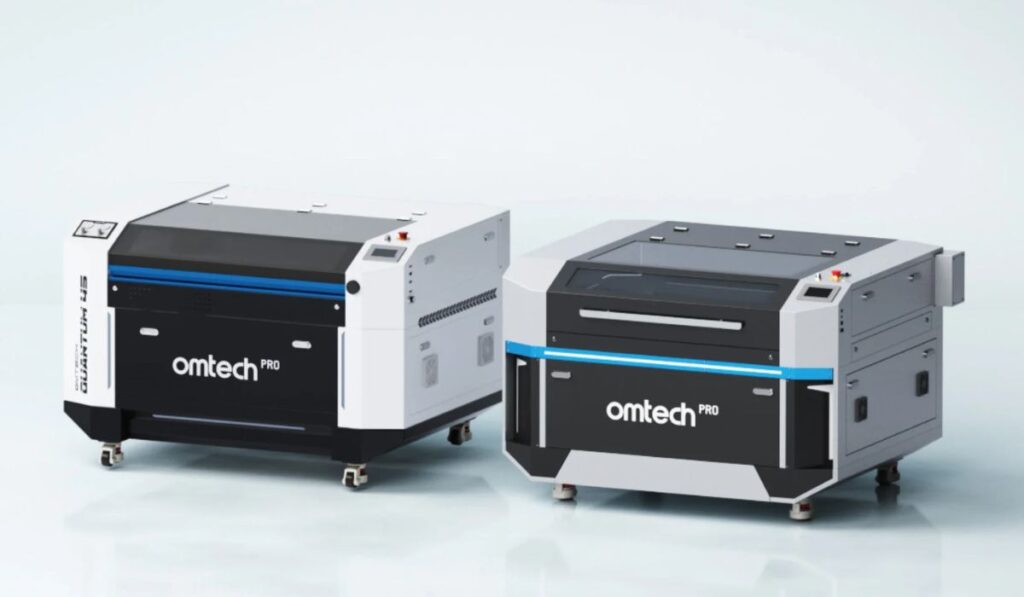
Once a style is settled and orders are coming in steadily, equipment starts to matter, the kind that keeps quality consistent from the first order through to the five-hundredth. Laser engraving is one popular route. It cuts intricate shapes and adds names, dates or small logos with real precision, which suits personalised jewellery well. Several brands are sold in Australia, including OMTech laser engravers, so comparing specifications and reviews before buying is worth the time.
The right machine depends entirely on what’s actually being made.
CO₂ lasers for acrylic, wood and leather
For a range that includes statement earrings, charms, keyring tags or packaging in acrylic, wood or leather, a desktop CO₂ laser is the usual pick. Worth checking when comparing models:
- Work area. A bed around 500 × 300 mm covers most small-batch jewellery, and pass-through doors help with longer pieces.
- Detail. Engraving resolution and the smallest text size the machine can manage both matter.
- Setup and safety. Autofocus, air assist, water cooling and proper exhaust ventilation make day-to-day use considerably easier.
- Software. Worth confirming compatibility with design programs such as LightBurn or RDWorks.
- Warranty and support. Local after-sales support matters a lot if something goes wrong down the line.
Larger, higher-powered machines can handle wholesale orders or a busy market season, but they take up serious space. Some weigh several hundred kilograms and need a garage or unit, plus a forklift-friendly delivery. Starting compact and upgrading later tends to be the safer path.
Fibre lasers for metal jewellery
CO₂ lasers aren’t built to mark bare metal. For rings, bracelets, pendants and watch parts, a fibre laser is the better fit, permanently marking metals like stainless steel, aluminium, brass, gold and silver. Higher-end MOPA fibre lasers can also produce colour marking on stainless steel and titanium, which suits premium finishes well. Fibre machines also tend to be relatively low-maintenance, since they skip the water cooling and mirrors a CO₂ setup needs.
Working out whether it pays off
Before buying anything, it’s worth running the numbers with real figures rather than guesswork. As a simple example, say acrylic earrings sell for A$25 a pair and materials cost about A$4. That leaves roughly A$21 per pair, so a A$3,000 machine would pay for itself after about 143 pairs sold. That’s purely illustrative, not a guarantee of anything, so the real prices, volumes and running costs are what actually matter here.
Getting From Sketchbook to Stock Room
Starting a jewellery brand really comes down to a handful of clear steps: get the ABN sorted, keep an eye on GST, be honest with customers, test designs on a marketplace, build a proper store, and tell the story behind the work. Once the business finds its footing, the right equipment is what helps turn steady orders into consistently good work, piece after piece.

