

A lot of self-care conversations centre on sleep, movement, and stress, and rightly so. But looking after your teeth belongs in that same picture, even though it’s easy to put off until something actually hurts. A cracked or heavily worn tooth is a common example of this. It rarely fixes itself on its own, and waiting usually means more treatment later, not less.
Why a Small Crack Doesn’t Stay Small
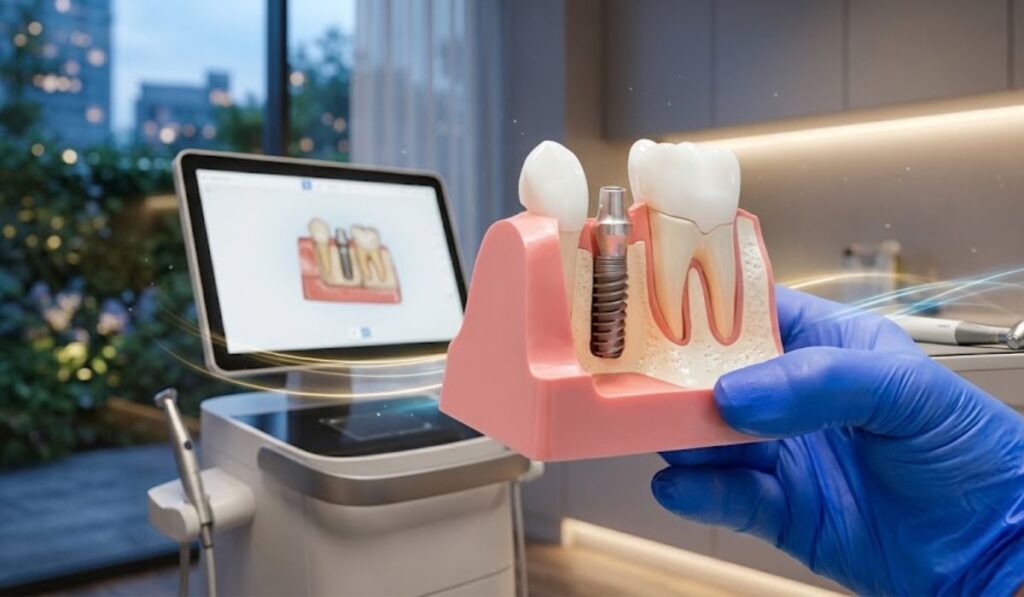
A tooth with a large filling, a crack, or significant wear has less natural structure left to protect it. Left alone, that structure tends to weaken further over time, sometimes leading to a more serious fracture or the need for root canal treatment down the line. This is usually where dental crown treatment comes in, a custom-made cap that covers the tooth and restores its shape and strength before things get any further along than they need to.
The Case for Addressing It Early
Dealing with a weak tooth early is often simpler than treating one that’s fully fractured later, and catching wear or a crack before it worsens usually means avoiding more significant pain further down the track. Proactive care also tends to involve fewer appointments overall compared with the back-and-forth of emergency treatment. And there’s something to be said for the peace of mind too, one less thing quietly sitting on the mental load.
The Mind-Body Link Nobody Really Talks About
At Affordable Dental, we see this pattern constantly, just in different forms. It’s the small, nagging thing we quietly tolerate because dealing with it feels like more effort than living with it. A rough edge on a cracked tooth is a very literal version of that pattern. It’s easy to adjust how you chew around it, avoid certain foods, and stop consciously noticing it, while your nervous system is still registering the discomfort somewhere in the background regardless.
Addressing it isn’t just a dental fix. It removes one more low-grade stressor your body has been quietly managing without you really clocking it.
What Dental Crowns Are Actually Made Of
Crowns are generally made from zirconia, porcelain-fused-to-metal, or all-ceramic materials, chosen based on where the tooth sits in the mouth and how much bite force it needs to handle day to day. Back teeth doing most of the chewing work often suit a stronger material like zirconia, while front teeth are usually matched to all-ceramic options for the closest possible match to natural tooth colour. A dentist can talk through which option actually fits your specific situation.
What Getting a Crown Actually Involves
It’s a more straightforward process than people often expect going in. Getting a dental crown typically involves an assessment, preparing the tooth, taking an impression or scan, wearing a temporary crown while the permanent one is being made, and a final fitting once it’s ready. Some sensitivity afterward is common and usually settles within a few days on its own.
When to See a Dentist Sooner Rather Than Later
A few signs are worth treating as a nudge to book in, rather than something to keep monitoring indefinitely. A sharp edge you can feel with your tongue. Sensitivity to hot or cold that lingers rather than fading quickly. Noticing you’ve quietly started favouring one side of your mouth when you chew without really deciding to. None of these need to turn into an emergency before they’re worth mentioning to a dentist. Catching it earlier is generally simpler, cheaper, and less disruptive than waiting until it becomes unavoidable.
Building It Into a Regular Rhythm
The same principle that applies to therapy or a movement practice applies here too. Consistency beats intensity. A dentist who sees you every six to twelve months is far more likely to catch a developing issue early than one you only see once something already hurts. If it’s been a while since your last check-up, that’s not a reason to feel behind on anything. It’s simply the next small, manageable step.
If cost is part of what’s been holding you back from booking in, it’s worth asking directly about a written, itemised estimate before committing to anything. That alone can make the decision feel a lot less daunting, and it’s a completely reasonable thing to ask for upfront rather than wondering.
Just like a check-up with a GP or a regular movement practice, a dental check-up doesn’t need to wait for something to feel wrong first. A dentist can flag a weakening tooth well before it becomes a bigger, more disruptive problem, and any recommended treatment should always come with a written, itemised estimate so there are no surprises later.
Common Questions
How do I know if a tooth needs a crown or just a filling? This depends on how much natural tooth structure remains, and it’s best assessed by a dentist rather than guessed at home. A filling and a crown solve different levels of damage, not the same problem at different price points.
Is getting a crown a painful process? The tooth is numbed for the preparation stage, and most people report mild sensitivity afterward rather than significant pain, though individual experience does vary from person to person.
How long does a crown typically last? Longevity depends on the material used, bite forces, and oral hygiene. A dentist can give a more specific expectation based on the individual case rather than a generic number.