
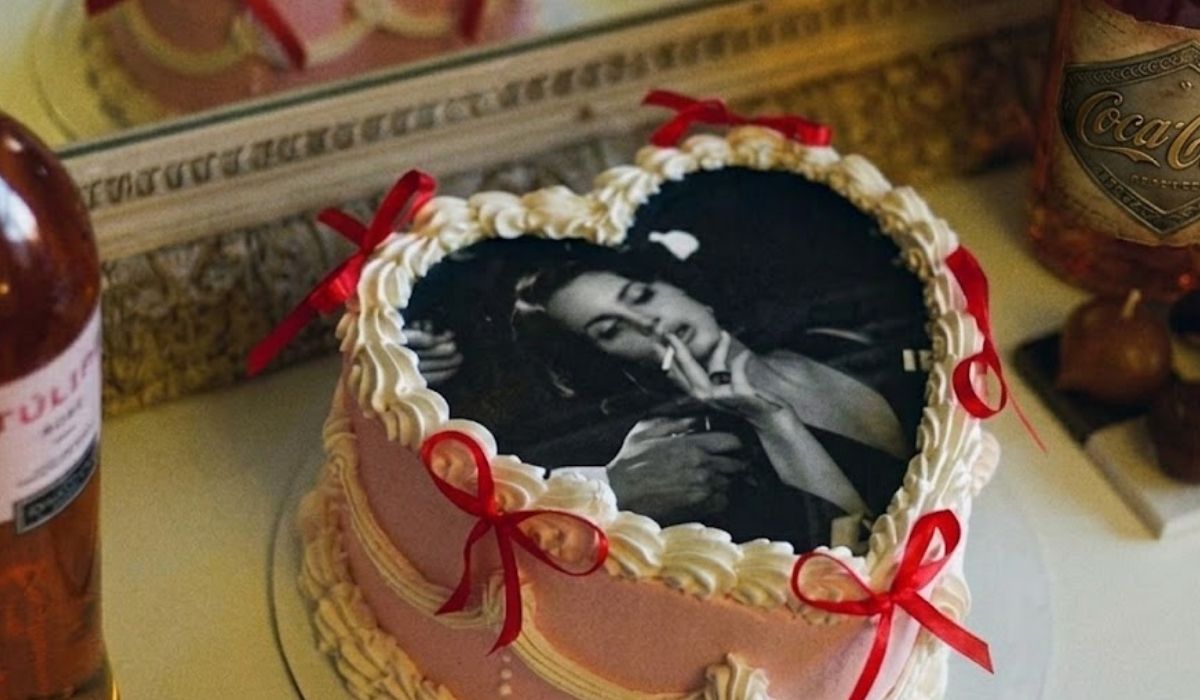

There’s a specific moment at a party where a photo cake changes the room. The cake comes out, and instead of the usual polite gasp for icing and candles, everyone leans in for a different reason — because printed right on top is a photo they actually recognise. The birthday girl as a toddler. A wedding day shot. The family dog looking thoroughly unimpressed with the whole event. In that second, the cake stops being dessert and becomes the actual emotional centre of the party, and every phone in the room comes out.
That’s the appeal of a personalised photo cake in one sentence: it takes a picture that already means something and puts it at the centre of the table. What tends to surprise people is how straightforward making one actually is. No baking skill required, no design background — just a decent photo and a rough idea of how the process works.
Why a Photo Cake Hits Differently
The reason a photo cake lands the way it does comes down to something fairly simple: it’s personal in a way a standard cake genuinely isn’t, no matter how well-decorated. A generic cake says happy birthday to whoever’s in the room. A cake carrying a real image says this one’s specifically about you, and here’s the proof. That shift from generic to personal is what turns a nice dessert into something people actually feel, and feeling is what makes an event memorable rather than just pleasant.
There’s a keepsake element too, even though the cake itself gets eaten within the hour. The image is what gets photographed, shared in the group chat afterward, and remembered well after the crumbs are gone. It gives people something to talk about — the trip, the wedding, the day the puppy came home — which means the cake ends up doing more than tasting good. It pulls the guest of honour’s actual story into the room and gives everyone something to gather around.
How a Photo Becomes Part of the Cake
If the mental image is an actual photograph somehow stuck onto icing, the real process is cleverer than that and considerably more appetising. The image gets printed with edible ink onto a thin edible sheet — usually made from icing or a fine wafer — which is then placed smoothly onto the cake’s surface. It sits seamlessly into the cake rather than perching on top of it as a decoration, and yes, the whole thing is entirely safe to eat.
What tends to surprise people the first time they see one in person is how sharp the result actually is. It isn’t a blurry approximation of the original photo. Modern edible printing holds detail, colour, and sharpness impressively well, so the finished cake genuinely reads as the photo rendered in sugar rather than a rough gesture at it. The edible sheet stays soft enough to sit naturally against the icing while still holding enough detail to do the image justice — done well, it’s easy to forget you’re allowed to eat it at all.
Where These Actually Work Best
Once the format’s on the radar, the occasions suggest themselves fairly quickly, because there’s almost nothing it doesn’t suit. Milestone birthdays are the obvious one — there’s something genuinely good about marking a fiftieth or a twenty-first with a decades-old photo that gets the whole room laughing and reminiscing. Anniversaries work well with a wedding photo. New parents tend to treasure one carrying their baby’s first portrait, and a pet’s face on a cake is close to guaranteed to delight whoever in the group is the animal person.
The lighter options hold up just as well. An inside joke, a favourite meme, or a gloriously unflattering candid can turn a birthday into genuine hilarity — the kind of gift that lands precisely because it’s specific to that one person rather than generic. This is exactly why edible photo cakes have become the go-to choice for occasions that deserve more thought than a shop-bought sponge with a generic message piped across the top. Sentimental or cheeky, the ability to put the right image front and centre means the cake actually fits the person and the moment, rather than just filling the dessert slot.
Choosing the Right Image for the Best Result
Getting a good result mostly comes down to picking the right photo, and a few things make the difference. Clarity matters most. A well-lit, higher-resolution image reproduces far better than something dark, grainy, or zoomed past its limit — worth digging out the original rather than settling for a screenshot of a screenshot. If it looks sharp on a screen, it’ll generally look sharp on the cake too.
Composition matters almost as much. Simple, uncluttered images tend to read well once they’re on a round surface surrounded by icing, while busy photos with a lot of small detail tend to lose impact in the translation. A single clear subject or a strong central face usually wins over a crowded group shot, so it’s worth thinking about where the eye should actually land. The cake’s shape and size play into this too — a portrait crop might suit one cake, a wider family shot might suit another entirely. A decent cake maker will guide the final call, but arriving with a strong, clear photo in mind gives the whole thing a real head start.
The Reveal Is Doing Half the Work
The real craft of a photo cake isn’t only in the baking — a good chunk of it is in the reveal, so it’s worth letting that moment actually do its job. Part of what makes it land is the surprise: the second the guest of honour spots the image and realises the cake was made specifically for them. Keeping it under wraps until that moment is what turns the cake into an actual gift rather than just another course.
Matching the image to the person and the occasion is what separates a nice idea from a memorable one. Worth thinking about what will genuinely land for that specific person — nostalgic tears over an old family photo, or helpless laughter over a ridiculous one — and choosing accordingly. That bit of thoughtfulness is what people remember well after the party’s wound down. A personalised cake turns an ordinary celebration into one with an actual centrepiece: something that honours the person, gives people a reason to talk, and gets photographed from every angle at the table.