
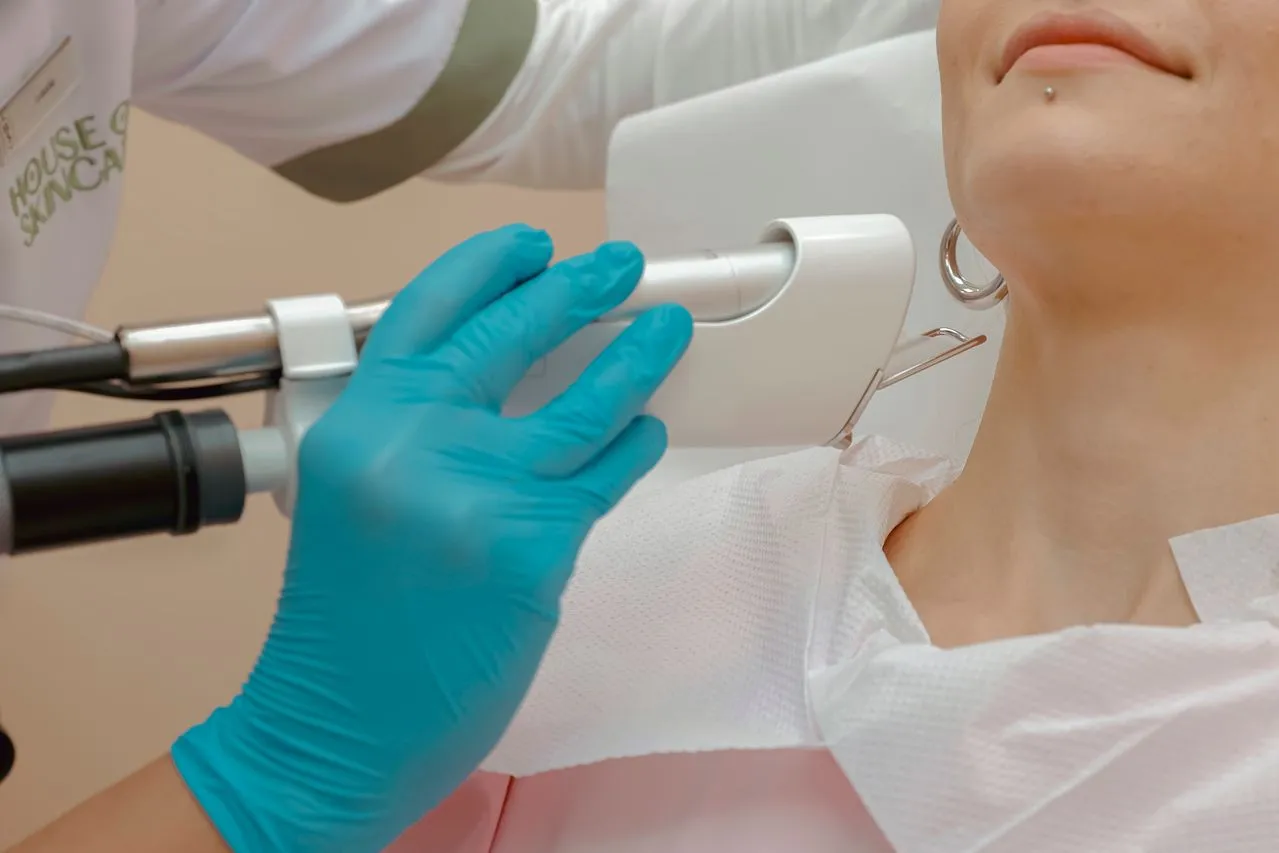

Most Australians know they should get their skin checked. They also know they should probably drink more water and call their mum back. Knowing something and doing it are two different things, and for skin checks specifically, the gap between the two is wider than it should be.
Australia has one of the highest skin cancer rates in the world. That’s not news. What’s less talked about is why people who genuinely understand the risk still keep pushing the appointment further down the list. It’s not ignorance. It’s something more complicated than that.
If you’re based in Brisbane and have been meaning to get checked, finding a trusted skin cancer clinic Brisbane city is straightforward enough. The harder part — for most people — is actually going.
Australia’s Ongoing Skin Cancer Challenge
The conditions here were always going to make this a problem. Long summers, an outdoor culture, high UV exposure, and decades of sun worship before anyone took SPF seriously. The skin damage many Australians are carrying now was often done years ago, sometimes in childhood, long before they had any say in it.
Public health messaging has done its job in terms of awareness. Most people understand the risks. But understanding and acting are different muscles, and the campaigns haven’t always managed to move people from one to the other.
The “It Won’t Happen to Me” Mindset
Optimism bias is genuinely powerful. It’s the quiet assumption that bad outcomes happen to other people — the ones who were careless, or unlucky, or different from you in some important way.
People convince themselves they’re low risk because they use sunscreen now, or because they’ve never had a severe burn, or because no one in their family has had skin cancer. Others assume darker skin tones offer full protection. Some people simply feel healthy and take that as confirmation that nothing is wrong.
The problem is that early-stage skin cancers rarely give you a signal. They don’t hurt. They don’t always look alarming. They can develop quietly for a long time before anything visible or uncomfortable appears. By the time there’s a symptom obvious enough to prompt action, the window for the simplest treatment may already have closed.
Fear of Receiving Bad News
This one is worth saying plainly: some people don’t book because they’re scared of what they might find out.
Avoidance feels like relief in the short term. If you don’t go, you can’t get bad news. What it actually does is extend the anxiety over months or years, and reduce the odds of a straightforward outcome if something does turn out to be there.
The worry tends to spiral — a cancer diagnosis, treatment, scarring, time off work, cost, disruption. But the reality of early detection is almost always the opposite of that spiral. Caught early, skin cancer is typically treated with a minor procedure. The stakes get harder the longer it sits.
Busy Schedules Push Preventive Care Aside
Preventive health appointments lose to urgent ones every time, because they don’t feel urgent. A skin check sits in that category of things that can always wait until next month, next season, after the project finishes, once the kids are back at school.
The intention is real. People genuinely mean to book. They just don’t, because nothing forces the issue until something does — and by then, the conversation has changed from routine check to treatment plan.
Misunderstanding What a Skin Check Involves
A lot of people imagine something more involved than it actually is. They picture a lengthy procedure, or feel awkward about exposing large areas of skin to a stranger, or assume it’ll take up half a day.
In reality, a standard skin check is a visual examination. A dermatoscope — a handheld magnifying tool with a light — is used to look more closely at moles, freckles, and lesions. It’s not invasive. Most appointments are done in under half an hour. Knowing that in advance takes away a significant part of what puts people off.
Previous Sun Exposure Creates False Confidence
There’s a version of this that goes: “I’ve been out in the sun my whole life and I’m fine.” It’s understandable logic. It’s also not how UV damage works.
Skin damage accumulates over decades. The burns from childhood, the years of outdoor work, the summers without adequate protection — none of that disappears. It compounds. The effects often don’t surface until well into your forties, fifties, or beyond. The fact that nothing has shown up yet isn’t a clearance. It’s just timing.
Financial Concerns and Accessibility Challenges
Cost is a real consideration for some people — consultation fees, potential follow-up appointments, treatment if something is found. Others face practical barriers: limited availability, difficulty getting to a clinic, uncertainty about where to go or what’s covered.
These are legitimate concerns, and they’re worth addressing directly rather than dismissing. Medicare bulk billing is available at many skin cancer clinics. Knowing your options ahead of time removes one of the reasons to keep deferring.
The Power of Early Detection
Early detection doesn’t just improve outcomes — it changes the entire shape of the treatment. A melanoma found at stage one has a survival rate above 95%. Found later, that number drops significantly. The procedure required at stage one is incomparable to what stage three involves.
That’s not a scare tactic. It’s the practical argument for going before there’s a reason to be worried, rather than waiting until there is one.
Making Skin Checks Part of Your Routine
The shift that actually works is moving a skin check from “something I should do at some point” to “something I do on a schedule, like a dental appointment.”
Book it in advance. Set a reminder. If it helps, make it part of the same period you do other annual health things — GP visit, blood tests, whatever your usual rhythm is. Some people find it easier to go with someone, a partner or a sibling, so it becomes a shared thing rather than a solo errand that keeps getting deprioritised.
The appointment itself takes less time than most people expect. The peace of mind on the other side of it tends to last considerably longer.