
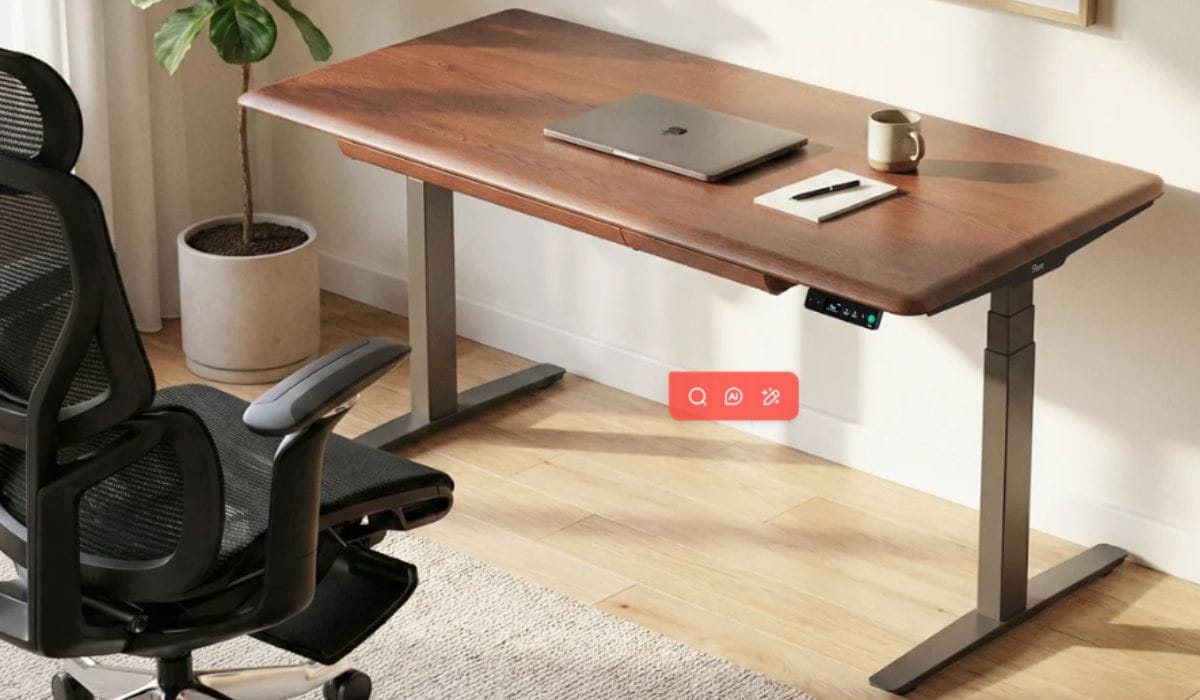

As the end of the financial year approaches, many Australians review their work-related expenses and consider whether a home office upgrade may be deductible. A new desk can improve the way a workspace functions, especially for people who work remotely or follow a hybrid schedule. However, buying a desk before EOFY does not automatically make the full purchase price tax-deductible.
The Australian Taxation Office applies specific rules based on how the desk is used, how much it costs, and whether it also serves a private purpose. Before making a purchase, it is important to understand the basic requirements and keep suitable records.
Can a Home Office Desk Be Tax Deductible?
For employees, the ATO allows deductions for office furniture and equipment used to perform work duties. This can include a desk, office chair, or bookshelf. The deduction must relate to work use, and any private use needs to be excluded from the claim.
The purchase price also affects how the deduction is calculated. If an eligible item costs $300 or less and is used more than 50% of the time for work, an immediate deduction may be available, subject to the ATO’s conditions. If the item costs more than $300, the deduction is generally claimed through its decline in value over time rather than as a full deduction in the year of purchase.
This distinction matters when choosing a premium standing desk or a solid wood desk. A higher-quality desk may deliver long-term value, but it may need to be depreciated across multiple income years. The tax outcome also depends on individual circumstances, so employees should keep receipts and maintain records that support the work-related percentage claimed.
The ATO also allows people using the fixed-rate method for working-from-home expenses to separately claim the work-related use of office furniture, such as desks and chairs. Sole traders and partnerships should check the separate ATO rules for home-based business expenses.
Why Standing Desks Are Becoming More Relevant
A desk should support daily work needs beyond tax time. Safe Work Australia recommends designing workstations so workers can vary their posture and movement rather than remaining in one static position for prolonged periods.
A standing desk can make this easier by allowing a person to move between seated and standing positions during the day. The aim is not to stand continuously. A more practical approach is to change position when completing different tasks, such as answering emails, joining a video call, or reviewing documents.
A height-adjustable desk is also commonly described as a sit-stand desk or standup desk. These terms refer to the same core idea: creating a workstation that can adapt to different working positions and personal preferences.
What Should You Look for When Choosing a Home Office Desk?
Tax eligibility should not be the only factor behind an EOFY purchase. A desk is a long-term part of the home office, so the design needs to suit the room, equipment, and daily workload.
Stability and Durability
A desk should remain stable while supporting monitors, laptops, and other office equipment. Stability is particularly important for an adjustable model because the frame needs to perform reliably at different heights. Before purchasing, check the desk dimensions, weight capacity, frame design, and warranty terms.
Height Adjustability
A suitable standing desk should offer a practical height range for both sitting and standing. Consider whether the desk will be shared with another household member, as different people may need different settings. Smooth adjustment controls can also make it easier to change position during the working day.
Desktop Material and Workspace Size
Measure the available room before selecting a desk. A compact workstation may suit an apartment or shared study, while a larger desktop can provide more space for multiple monitors and accessories.
Material is another consideration. A solid wood desk can add a warmer, furniture-style appearance to a home office while providing a substantial work surface. It may suit professionals who want a desk that blends into the home rather than looking like temporary office equipment.
Make an EOFY Upgrade That Works Beyond Tax Time
A potential tax deduction can be one reason to review a home office setup, but it should not be the only reason to choose a desk. The best option is one that supports a comfortable workflow, fits the available space, and remains useful throughout the year.
Australians comparing home office furniture can explore standing desk and solid wood desk options from brands such as 9am HOME. Before claiming any purchase, keep your receipt, calculate the work-related portion carefully, and check the latest ATO guidance or speak with a registered tax agent.