
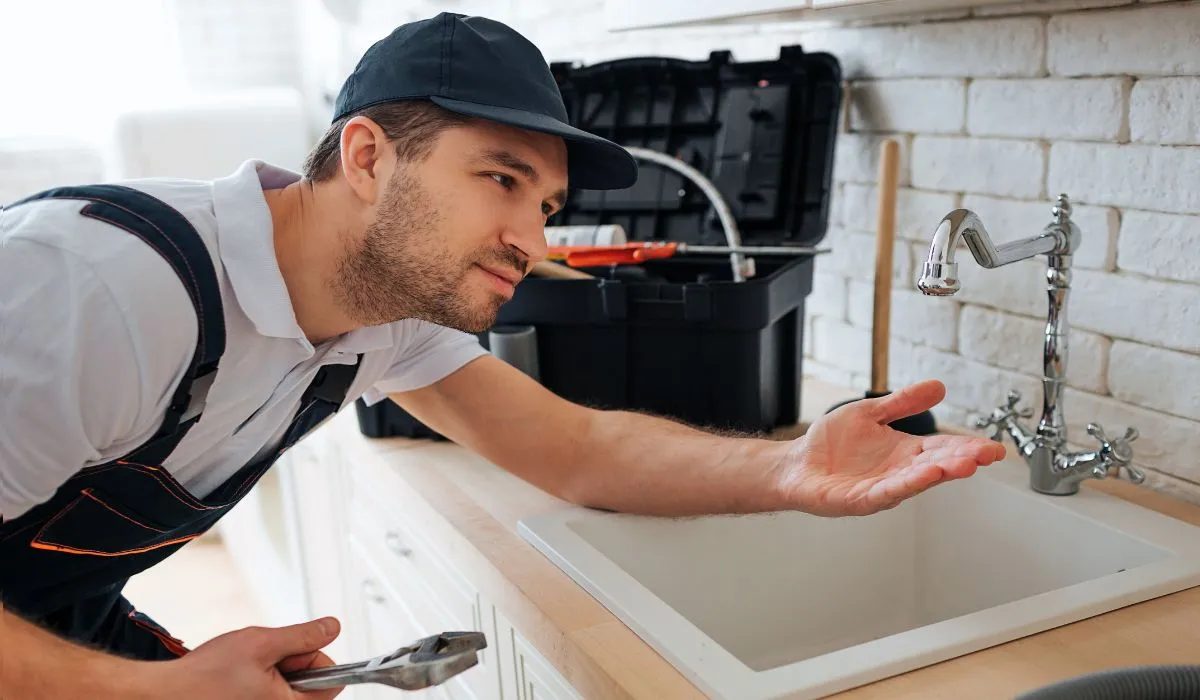

A leaking tap might seem like a minor annoyance, but those constant drips can waste a surprising amount of water over time and increase your water bills. In many cases, a dripping tap is caused by a worn washer, damaged cartridge or loose internal component, making it a repair that many homeowners can tackle themselves.
Before calling a Sunshine Coast plumber, it’s worth understanding what causes taps to leak and whether the problem can be fixed with a few basic tools. While some leaks require professional attention, many common tap issues can be resolved in less than an hour.
This guide explains how to identify the cause of a leaking tap, the tools you’ll need and the steps involved in repairing it safely.
Why Is My Tap Leaking?
Taps contain several moving parts that naturally wear over time. As these components deteriorate, water can bypass seals and create the familiar drip from the spout.
Some of the most common causes of leaking taps include:
- Worn washers
- Damaged O-rings
- Faulty cartridges
- Corroded valve seats
- Loose internal components
- High water pressure
- General wear and tear
The exact cause often depends on the style and age of the tap.
Different Types of Taps
Before starting any repair, it’s important to identify what type of tap you have.
Traditional Washer Taps
These taps use rubber washers that compress against a valve seat to stop water flow. They are common in older homes and often require several turns to fully open or close.
Mixer Taps
Mixer taps combine hot and cold water through a single spout. Most modern mixer taps use ceramic disc cartridges instead of traditional washers.
Quarter Turn Taps
Quarter turn taps use ceramic discs and only require a short turn to operate. They’re popular in newer homes due to their durability and ease of use.
Understanding your tap type will help determine which components may need replacing.
Tools You May Need
Before beginning, gather the following tools:
- Adjustable spanner
- Screwdriver set
- Allen keys
- Replacement washers
- Replacement cartridge (if required)
- Needle-nose pliers
- Silicone grease
- Soft cloth
- Bucket or towel
Having everything ready before you start can make the repair process much smoother.
Step 1: Turn Off the Water Supply
This is the most important step.
Before dismantling any tap, locate and turn off the water supply. Many sinks have isolation valves underneath that allow you to shut off water to the individual fixture.
If no isolation valves are present, you may need to turn off the property’s main water supply.
Once the water is off:
- Open the tap fully
- Allow any remaining water to drain
- Place a towel around the work area
This will help prevent accidental flooding or water damage.
Step 2: Remove the Tap Handle
The next step is gaining access to the internal components.
Most tap handles are secured using a screw hidden beneath a decorative cap. Carefully remove the cap using a small flathead screwdriver.
Once exposed:
- Remove the retaining screw.
- Lift the handle off the spindle.
- Place all components somewhere safe.
If the handle is difficult to remove, avoid excessive force. Mineral deposits can cause handles to become stuck over time.
Step 3: Inspect the Washer or Cartridge
With the handle removed, you’ll be able to access the tap mechanism.
For traditional taps, remove the spindle assembly using an adjustable spanner. The rubber washer is usually located at the base.
Check for:
- Cracks
- Splits
- Flattening
- Hardening
- Missing pieces
For mixer taps or quarter-turn taps, inspect the ceramic cartridge for signs of wear or damage.
In many cases, replacing the washer or cartridge will solve the leak immediately.
Step 4: Replace the Faulty Component
H3: Replacing a Washer
If the washer appears worn:
- Remove the retaining screw.
- Remove the old washer.
- Install an identical replacement.
- Secure it firmly in place.
Make sure the replacement washer matches the original size and shape.
Replacing a Cartridge
If your tap uses a ceramic cartridge:
- Remove the retaining nut.
- Lift out the old cartridge.
- Insert the new cartridge in the correct orientation.
- Reinstall the retaining nut.
Using the correct replacement cartridge is essential, as different manufacturers use different designs.
Step 5: Check the O-Rings
While you have the tap apart, inspect any visible O-rings.
O-rings are small rubber seals that help prevent water escaping around moving components.
Signs of a worn O-ring include:
- Cracking
- Splitting
- Hardening
- Flattening
Replacing these inexpensive components can often prevent future leaks.
Apply a small amount of silicone grease to new O-rings before installation to improve performance and longevity.
Step 6: Clean Internal Components
Mineral deposits, sediment and corrosion can contribute to leaking taps.
Before reassembling the tap:
- Wipe down all components
- Remove scale build-up
- Clean threads and contact surfaces
- Inspect for corrosion
A clean assembly helps ensure proper sealing and smoother operation.
Step 7: Reassemble the Tap
Once all replacement parts have been installed:
- Refit the spindle or cartridge.
- Tighten retaining nuts securely.
- Reinstall the handle.
- Replace decorative caps.
Avoid overtightening components, as this can damage threads or crack certain tap fittings.
Step 8: Turn the Water Back On
Slowly restore the water supply and test the tap.
Check for:
- Dripping from the spout
- Leaks around the handle
- Water escaping beneath the sink
- Smooth operation
Allow the tap to run for a few minutes to ensure everything is functioning correctly.
If the dripping has stopped, your repair has been successful.
When Replacing the Washer Doesn’t Fix the Leak
Sometimes a leaking tap continues to drip even after replacing the washer.
This often indicates a more serious issue such as:
- A damaged valve seat
- Excessive corrosion
- Faulty tap body
- Incorrect replacement parts
- High water pressure
In these situations, additional repairs or a complete tap replacement may be necessary.
Signs It’s Time to Replace the Entire Tap
While many leaks can be repaired, some taps simply reach the end of their lifespan.
You may want to consider replacement if:
- The tap is more than 15 years old
- Repairs are becoming frequent
- Corrosion is visible
- Parts are difficult to source
- Water efficiency is poor
Modern taps are often more reliable, water-efficient and aesthetically appealing than older models.
Common DIY Mistakes to Avoid
When repairing a leaking tap, homeowners often make a few common mistakes.
These include:
- Forgetting to turn off the water supply
- Using incorrect replacement parts
- Overtightening fittings
- Damaging decorative finishes with tools
- Losing small screws and components
- Ignoring worn O-rings
Taking your time and working carefully can help avoid unnecessary frustration.
When Should You Call a Plumber?
While many leaking taps can be repaired by homeowners, some situations are best left to a licensed plumber.
Consider professional assistance if:
- The tap body is damaged
- Water is leaking inside walls or cabinetry
- The leak persists after repairs
- You cannot identify the tap model
- Corrosion has affected surrounding plumbing
- You’re uncomfortable working with plumbing fixtures
A plumber can quickly diagnose the issue and ensure repairs are completed correctly.
How Much Water Can a Leaking Tap Waste?
Many homeowners ignore a dripping tap because it doesn’t seem like a serious problem. However, even a slow drip can waste a significant amount of water over time.
A tap that drips once every second can waste thousands of litres of water annually. Not only does this increase your water bill, but it also places unnecessary demand on local water supplies.
The amount of water wasted depends on the severity of the leak. For example:
- A slow drip may waste several litres per day.
- A steady trickle can waste hundreds of litres per week.
- Larger leaks can result in substantial water loss and property damage.
Addressing a leaking tap as soon as it appears is usually far cheaper than dealing with higher water bills or more extensive plumbing repairs later. It’s one of those small maintenance tasks that can have a surprisingly large impact over time.
Preventing Future Tap Leaks
While all taps eventually experience wear and tear, there are several ways to help extend their lifespan and reduce the likelihood of future leaks.
Regular maintenance can make a significant difference. Homeowners should avoid forcing taps closed too tightly, as excessive pressure can prematurely wear out washers, cartridges and seals.
Other preventative measures include:
- Replacing worn components before they fail completely.
- Addressing high water pressure issues.
- Cleaning mineral deposits from tapware regularly.
- Checking for small leaks during routine household maintenance.
- Installing quality tapware from reputable manufacturers.
If you live in an area with hard water, mineral build-up can accelerate wear on internal tap components. Periodically cleaning aerators and visible tap surfaces can help reduce the effects of scaling and keep taps operating smoothly.
Like most household fixtures, taps tend to last longer when small issues are addressed early rather than ignored. A quick repair today can often prevent a more expensive replacement tomorrow.
In the end
A leaking tap is one of the most common household plumbing problems, but it’s also one of the easiest to address in many situations. By identifying the type of tap, replacing worn washers or cartridges and checking seals and O-rings, homeowners can often stop a leak without extensive repairs.However, if the leak continues or the tap is showing signs of significant wear, replacing the fixture or consulting a licensed plumber may be the best long-term solution. Calling a plumber early can prevent wasted water, reduce utility costs and help maintain the overall health of your home’s plumbing system.