
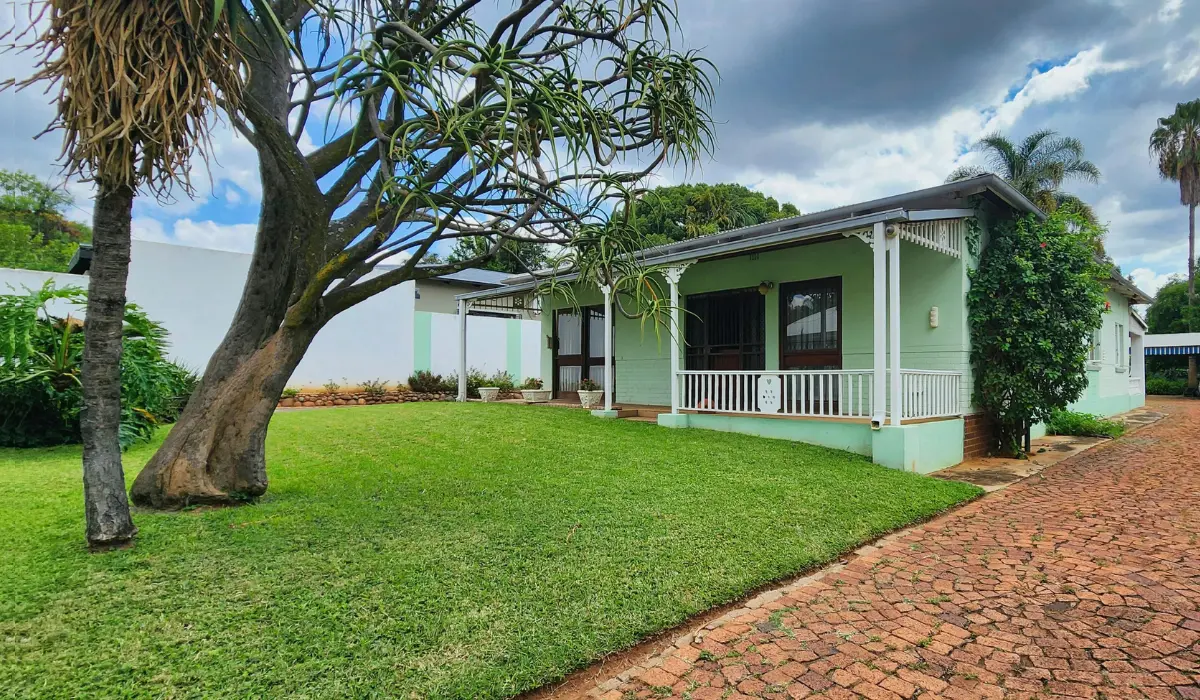

For a long time, choosing a lawn came down to how it looked. Green, thick, and tidy was enough. It suited the ideal of a neat suburban garden and required little deeper thinking. That calculus has shifted. Changing weather patterns, tighter water restrictions, and a broader awareness of environmental cost have all made lawn selection a more considered decision — and for good reason.
Homeowners are now asking questions that were rarely asked before. How will this grass perform in a dry stretch? Will it recover after a hot summer? How much water does it actually need? The options they are choosing — including the buffalo turf sydney varieties increasingly popular across suburban properties — reflect a genuine change in priorities.
Climate Conditions Are Becoming Less Predictable
Australian weather has always had its extremes. What is different now is the inconsistency. Long dry periods follow sudden rainfall. Summer heat arrives earlier and lingers longer. Lawns that were selected for how they looked during mild seasons may now struggle to hold up when conditions turn.
Climate resilience has moved from a secondary consideration to a primary one. A lawn that performs well only in ideal weather is not a practical choice anymore. Homeowners want something that can absorb the variation without constant intervention.
Water Efficiency Has Become a Major Priority
Keeping a thirsty lawn green through summer can place a significant burden on both water usage and household bills. Older turf varieties with high irrigation demands are increasingly difficult to justify — practically and environmentally.
Drought-tolerant grasses change the equation. They retain moisture more effectively, stay healthier with less frequent watering, and reduce the amount of irrigation needed through the warmest months. For households where water conservation matters, choosing an efficient lawn variety is one of the more meaningful decisions a garden can reflect. It is a long-term investment that pays back across every dry season.
Families Want Lower-Maintenance Outdoor Spaces
Most households are not looking for a lawn that demands constant attention. Busy schedules leave little room for intensive upkeep, and the appeal of a garden that largely looks after itself is genuine and practical.
Climate-adapted turf varieties tend to be more forgiving once established. They recover from wear more readily, tolerate temperature shifts without thinning, and require less hands-on effort to maintain their appearance. For families who want to enjoy their outdoor space rather than manage it week to week, that lower maintenance threshold makes a real difference.
Heat Resistance Matters More Than Before
Suburban backyards are hotter environments than they used to be. Reduced tree cover, more hard surfaces, and hotter summers overall mean that lawns face more sustained heat stress than earlier generations of grass were designed to handle.
The visible result — thinning coverage, dry patches, shallow root systems — is familiar to anyone who has managed a lawn through an extended heat event. Heat-tolerant varieties hold their structure better under those conditions. They maintain healthier root development and recover more quickly once the temperature drops. A lawn that can withstand high heat without constant intervention is simply more reliable.
Lawn Durability Supports Active Family Living
Backyards are working spaces for most families. Children play in them, dogs wear them down, and outdoor entertaining places sustained pressure on the same patches of grass. A lawn that cannot handle regular foot traffic becomes a maintenance problem rather than a feature.
Climate-suitable turf is often selected as much for durability as for environmental performance. Stronger varieties recover faster from wear, stay visually consistent under regular use, and hold up across the full range of seasonal conditions. That combination of resilience and practicality is what makes them a sensible choice for households where the backyard actually gets used.
Sustainability Is Influencing Landscaping Trends
Environmental awareness is shaping how people approach their outdoor spaces. Resource use, soil health, and long-term sustainability have all become part of how homeowners think about their gardens — not as niche concerns but as reasonable expectations.
Choosing a lawn suited to local climate conditions contributes to that broader picture. It reduces unnecessary water use, supports healthier soil over time, and removes the need for the chemical interventions that struggling grass often requires. A sustainable lawn is not a compromise. It is a more considered version of what a well-maintained garden has always aspired to be.
Soil Conditions Affect Lawn Performance
Suburban blocks vary considerably in their soil composition. Compacted soil, poor drainage, and high-exposure sites all affect how well different turf varieties establish and grow. A grass that performs well in one setting may struggle in another if it was not bred for that kind of tolerance.
Climate-adapted varieties tend to establish more reliably across a wider range of soil conditions. That adaptability matters practically — it reduces the early intervention needed after installation and improves the long-term health and appearance of the lawn without requiring ongoing correction.
Lawn Selection Is Now a Long-Term Decision
Replacing a lawn that has failed — whether from heat damage, drought stress, or poor soil suitability — is an expensive and time-consuming process. It is also avoidable. Choosing the right variety from the beginning, with local climate conditions properly considered, reduces that risk and improves the return on the investment.
Homeowners are beginning to treat lawn selection the way they treat other long-term property decisions — with more research and a clearer sense of what they actually need.
Outdoor Design Is Becoming More Functional
Modern landscaping places greater weight on how an outdoor space performs across seasons, not just how it looks in photographs. Lawns are expected to support family life, absorb activity, and remain manageable without requiring expertise or constant effort.
That shift is what is driving the move toward climate-suitable turf — a practical response to conditions that are not going to simplify, and a recognition that a well-chosen lawn is one of the quieter, more lasting improvements a home can make.